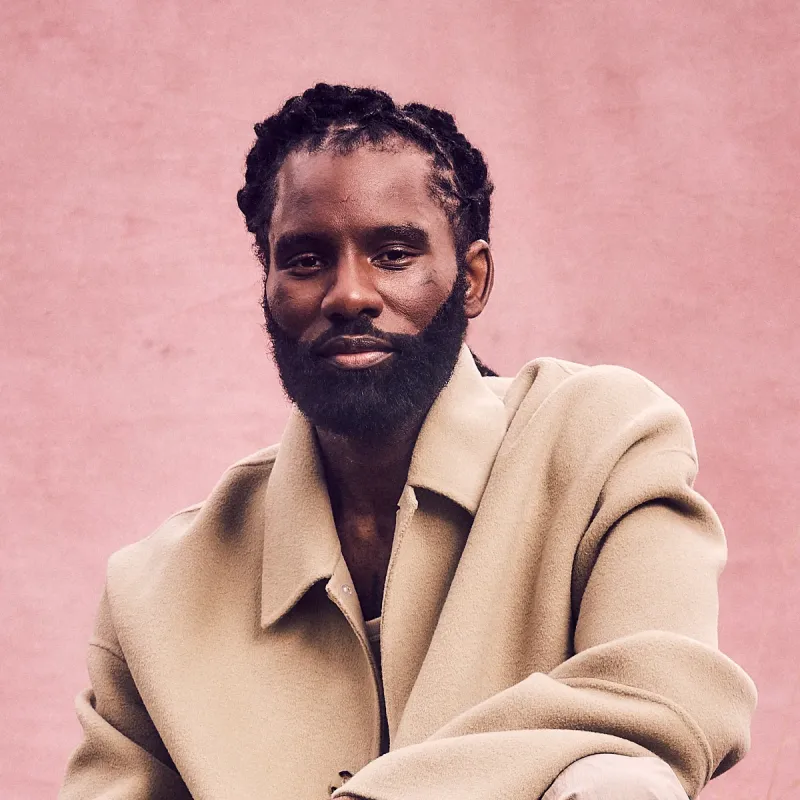
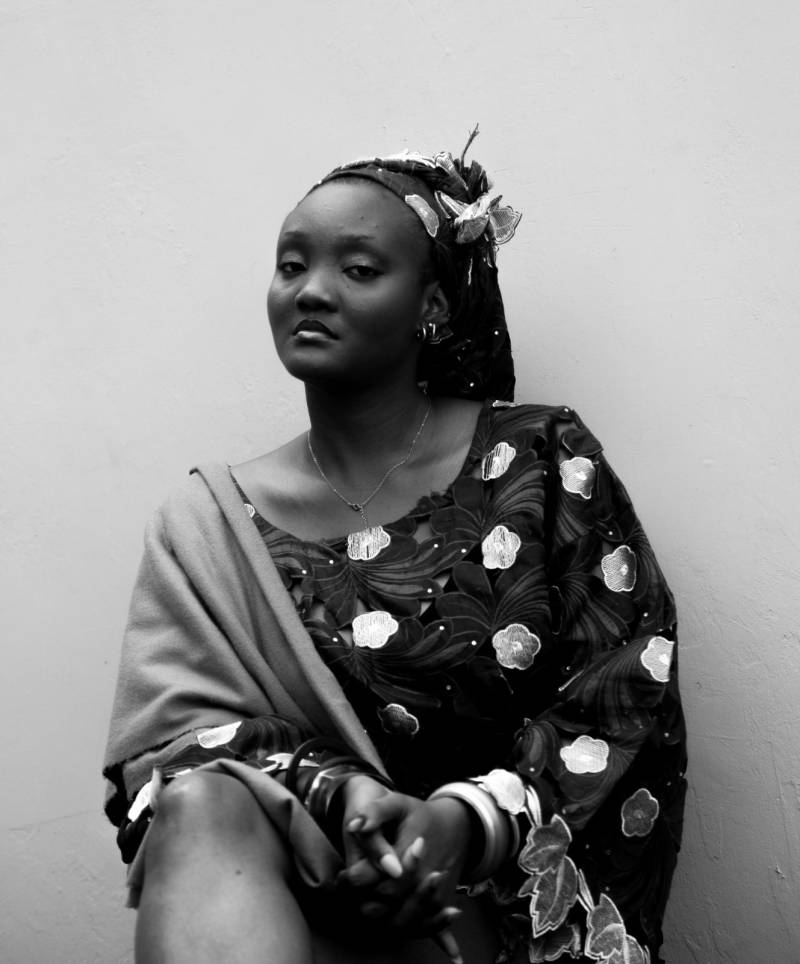
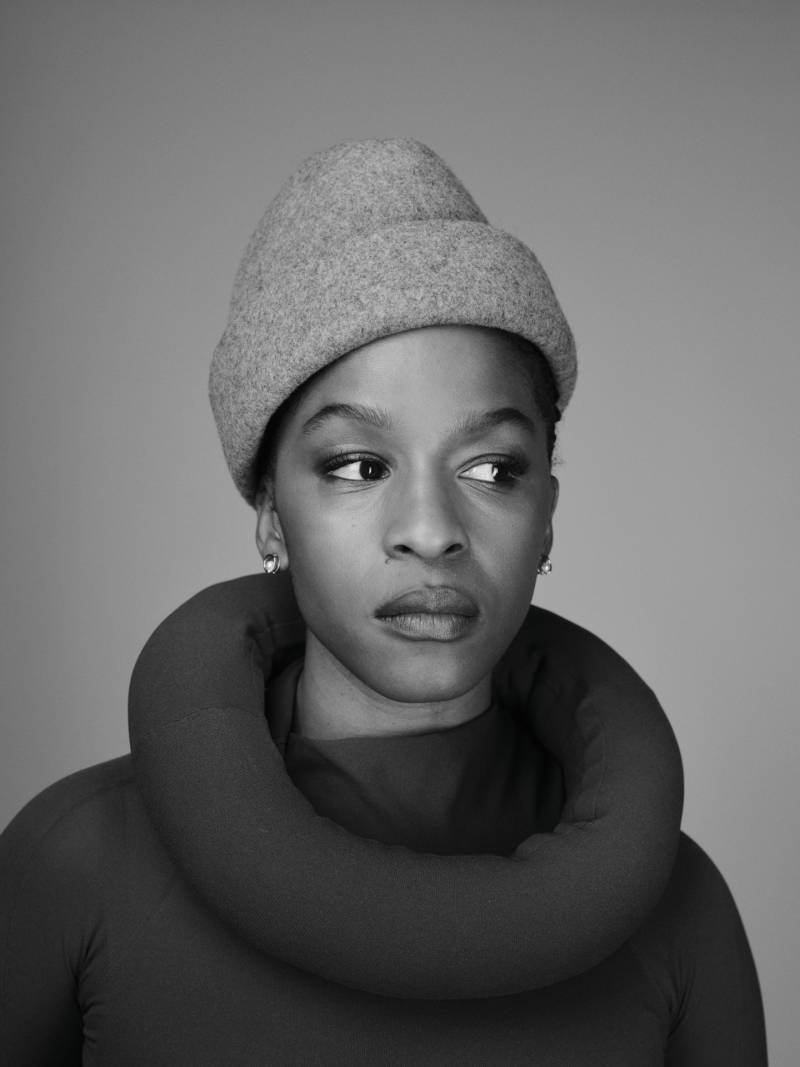
Gathering three titans of the UK R&B scene, Spotify hosted a pivotal "Conversations" roundtable featuring Craig David, Tiana Major9, and Mahalia, moderated by DJ Ace. The discussion was designed to shine a light on the R&B sounds of the UK, dissecting the genre's American heritage, the essential struggle for artistic integrity, and the ongoing battle for visibility against institutional pressures.
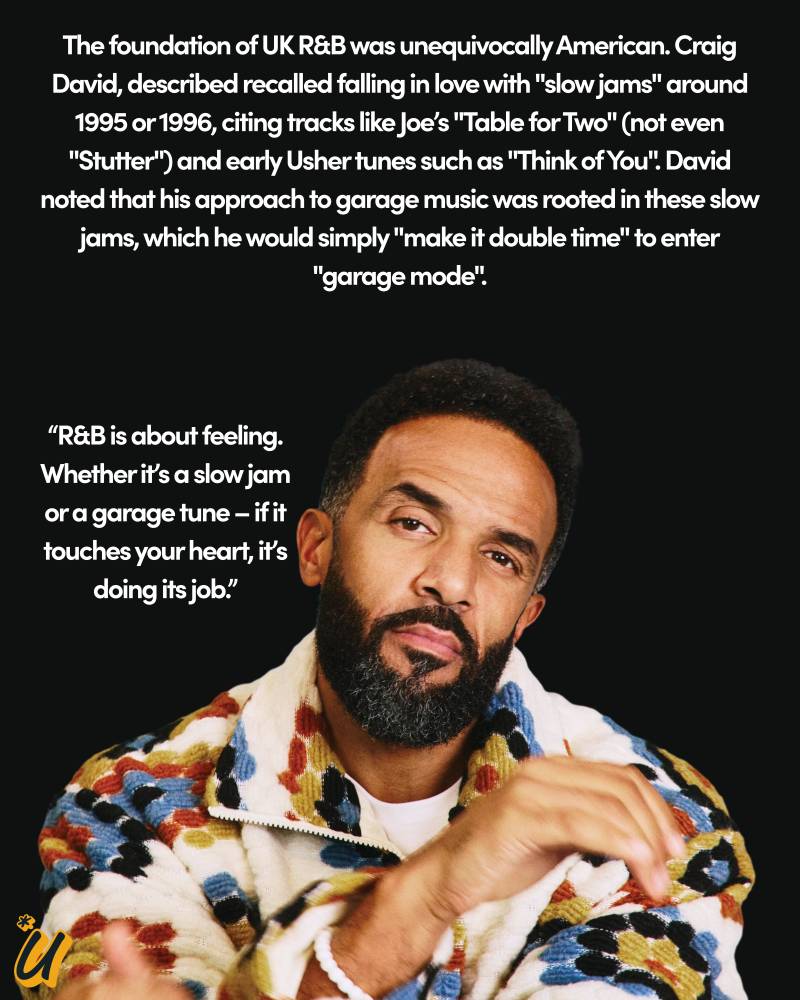
The foundation of UK R&B was unequivocally American. Craig David, described as "the legend himself," recalled falling in love with "slow jams" around 1995 or 1996, citing tracks like Joe’s "Table for Two" (not even "Stutter") and early Usher tunes such as "Think of You". David noted that his approach to garage music was rooted in these slow jams, which he would simply "make it double time" to enter "garage mode". Tiana Major9 discovered R&B around age five, hearing it constantly at her mother's house and family gatherings, becoming aware of artists like Beyoncé, Destiny's Child, and Lauren Hill. Mahalia was introduced slightly later, around age seven or eight, through her parents, who played jazz and what her father called "psycho acoustic soul". Mahalia quickly became obsessed with acoustic soul artists like India. Arie and spent a year listening almost exclusively to Tweet's Southern Hummingbird album.
The leap from consuming American music to pursuing a UK career required different catalysts. David’s opportunity came when he won a competition to write the B-side for Damage’s single "Wonderful Tonight". David, who recorded his song "I’m Ready" using a rudimentary twin tape cassette deck and Studio 100 microphone, was thrilled to win and later honored to sing background vocals (BVs). Seeing his name listed on the back of the number three selling single was the "opening" that convinced him he had a voice for the industry. For Tiana Major9, confidence was built in the church, where gospel music provided a "real like playground to just practice and just have fun" and helped her realize she could take gospel sounds and transform them into "this R&B thing". Mahalia started playing guitar around age 11 by copying her brother, transitioning from speaking poetry over chords to singing.
Related article - Uphorial Radio

UK R&B Roundtable on Legacy, Labels, and Belonging
A major thread woven through the conversation was the battle for integrity against the demands of major labels. Mahalia stressed that her "fundamental aim day-to-day probably is happiness". If she strays from the path, she built for herself, she finds herself "mentally falling". She insists that integrity defines the legacy she wants to leave behind, ensuring every record she releases "felt like the right thing for who I was in that moment". She confirmed that pressure from labels to "adjust your sound" or make it "broader or more mainstream" is "absolutely always" present. Tiana Major9 experienced this when she was signed to an American major label. Her initial sound was "singer songwriter jazz fusion," but the label pushed her toward a "straight R&B" sound, despite her catalog encompassing diverse influences. Mahalia countered this pressure by arguing that the "thread" of an artist's project should be "me"—the artist’s tone, lyrics, and narration—not a prescribed genre.
The challenges of breaking into America were significant. Craig David described his first trip to LA as a "Willy Wonka and the Chocolate Factory" moment. He was "in awe" when he saw Missy Elliott and Jennifer Lopez watching him perform at the House of Blues and then, on a subsequent night, saw Beyoncé on the balcony. The ultimate moment came when he looked into the crowd while singing "Walking Away" and saw Stevie Wonder, forcing him to fight to "still sing the song". Tiana Major9's breakthrough was "easy" thanks to her feature on the Queen & Slim soundtrack, which "catapulted" her into the necessary space. Mahalia focused on touring and performing live, enduring an initial tough time with an older R&B crowd before the success of her song "Sober" led to a seven-week sold-out U.S. tour. Both Mahalia and Tiana Major9 agreed that the British accent can help "get you through certain doors" in the States, but it complicates the task of telling a distinctly UK story to an American R&B lover.
Finally, the artists discussed the need for activism and visibility within the scene. Mahalia's fashion choices became political statements, including her "By British" jumper at the Mobo Awards (following the Brit Awards where Craig David failed to win any of his six nominations despite selling "seven million albums" and having the biggest year). Her "Long Live R&B" coat, worn at the Brit Awards, stemmed from anger over the categories being "mushed" (R&B with pop, grime with hip-hop) and made fan-voted, turning art into a "popularity contest" measured by social media followers. The label was "not happy" about the trench coat, but Mahalia insisted the message was about legacy and the state of the country's music industry. Tiana Major9 added that the lack of "push" and visibility for UK R&B artists, particularly "dark-skinned R&B artists like myself," makes achieving accolades feel unachievable. Both acknowledged the need to address the privilege of "lighter-skinned female artists" who shy away from conversations about colorism, concluding that true change involves creating their "own thing" and trusting that success will eventually draw the necessary eyes and awards.