The intersection of curiosity and rigorous inquiry is rarely as fraught with complexity as it is in the study of Unidentified Anomalous Phenomena (UAPs). What was once relegated to the fringes of pop culture and the quiet corners of late-night skepticism has, in recent years, migrated toward the center of serious scientific and geopolitical discourse. The National Geographic feature-length compilation, UFOs: Investigating the Unknown, serves as a definitive documentation of this tectonic shift. By curating the most significant testimonies, archival discoveries, and expert analyses, this expansive narrative frame does more than catalog sightings; it systematically dismantles the long-standing wall of stigma that has historically stifled genuine exploration into the unknown.
At the core of this investigation is a profound human element: the bravery of the witness. The narrative is anchored by the accounts of military personnel and commercial pilots—individuals whose professional lives are predicated on absolute precision and the objective observation of their surroundings. For decades, these men and women operated under the heavy burden of professional silence, fearing that reporting what they had seen—objects that moved with aerodynamic capabilities defying current human technology—would result in ridicule or the destruction of their careers. The film captures the raw, palpable frustration of these whistleblowers as they step into the light, providing testimony that is not characterized by the sensationalism of the tabloids, but by the grounded, often unsettling clarity of trained observers. Their stories are not merely anecdotes; they are the empirical foundation upon which a new, serious investigation is being built.
The transition from the shadow of government secrecy to the emerging reality of transparency is one of the most compelling arcs within the documentary’s curation. It details the evolution of how the U.S. government—and by extension, global intelligence agencies—has grappled with the reality that there are objects traversing our airspace that remain fundamentally unidentified. Through a lens of strategic storytelling, the documentary traces the path from the clandestine, localized programs of the past to the current, more public legislative efforts to study these phenomena. It provides a nuanced look at the internal conflict within these institutions: the tension between the necessity of national security and the ethical imperative to share the truth with the public. By analyzing the release of declassified documents and the testimony of high-level intelligence figures, the work paints a picture of a system slowly, perhaps reluctantly, coming to terms with the existence of an intractable mystery.
Related article - Uphorial Shopify
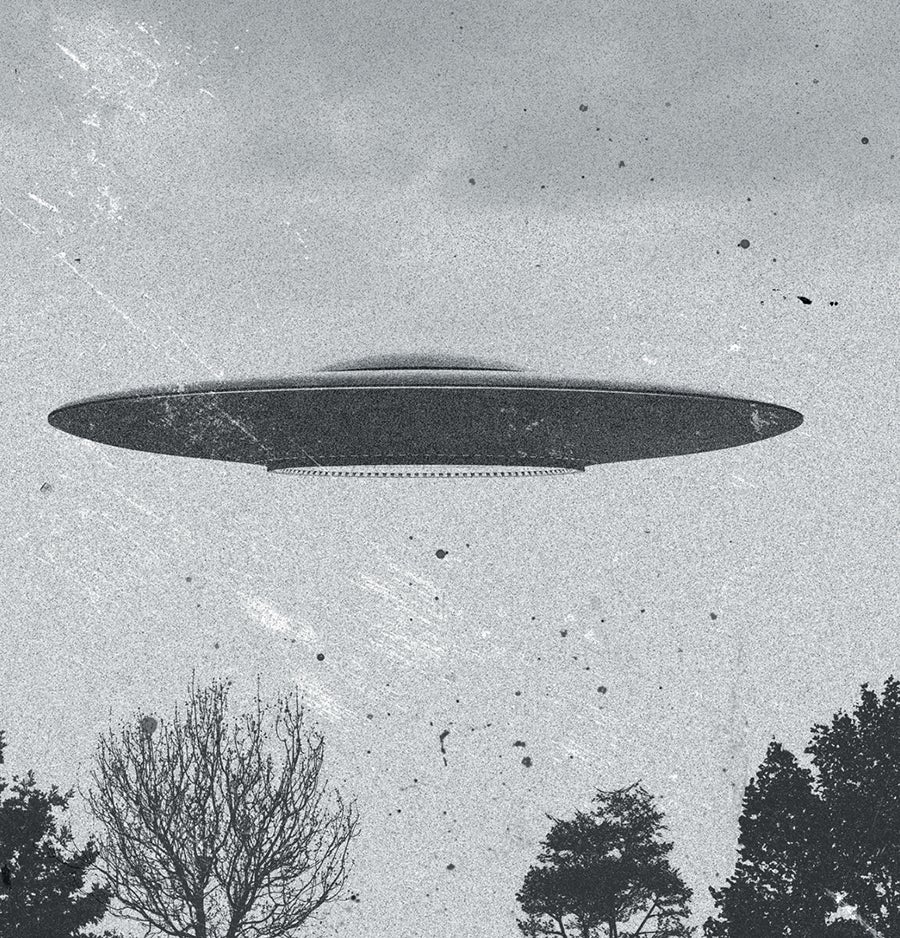
Equally transformative is the film’s shift toward a scientific framework. The investigation moves beyond the question of "what are they?" to "how can we study them?" It features researchers and data scientists who are applying the rigors of artificial intelligence, high-fidelity radar analytics, and advanced physics to historical data that was previously ignored. This is the intellectual pivot point of the entire work. It suggests that the phenomenon is no longer a matter of faith, but a matter of measurement. By treating UAP sightings as a legitimate subject of empirical study, these researchers are strip-mining historical archives to identify patterns in behavior, propulsion, and origin. The use of modern scientific methodology—treating the unknown as a variable to be solved rather than a conspiracy to be debated—acts as an intellectual anchor, grounding the more fantastical elements of the subject in the hard, cold reality of peer-reviewed inquiry.
The documentary does not shy away from the historical context that has shaped our current understanding. From the origins of Project Blue Book, which sought to neutralize public interest rather than investigate the reality of the reports, to the haunting nuclear base incidents of the 1960s, the narrative frame is both comprehensive and contemplative. It invites the audience to consider why society has remained so resistant to acknowledging the anomalous. It explores the cultural sociology of the phenomenon, noting how the fear of the "other" and the skepticism of the academic establishment have created a blind spot in our collective understanding of the skies. By layering these historical markers, the film creates a sense of temporal depth, showing that the mystery we face today is not a modern anomaly, but a persistent, recurring feature of our interaction with the environment.
Perhaps the most significant achievement of this collection is its tone of emotional and intellectual balance. It avoids the easy traps of fear-mongering and the equally reductive dismissals of pure materialism. Instead, it maintains a stance of objective humility. It recognizes that in the face of the truly unknown, the only responsible posture is one of ongoing investigation. It frames the study of UAPs not as an answer in itself, but as a gateway to broader questions about our place in the universe, our reliance on technology, and the limits of our perception. The curation of expert testimony, ranging from atmospheric scientists to former heads of intelligence, creates a multi-dimensional perspective that respects the complexity of the subject while demanding accountability from the institutions tasked with safeguarding our airspace.
In its final analysis, the documentary stands as a testament to the persistent human drive to seek answers in the face of silence. It documents a moment in history where the culture of denial is beginning to erode, replaced by a culture of inquiry. The "MEGA" format, by stitching together the various strands of the investigation, serves to emphasize the sheer scale and persistence of the phenomenon. It transforms what might have been viewed as a series of isolated, disjointed events into a cohesive, undeniably significant chapter of contemporary history. For the viewer, the takeaway is not necessarily a definitive solution to the riddle of the UAPs, but a profound appreciation for the necessity of transparency and the value of scientific courage. As the film concludes, it leaves the audience with an indelible realization: that we are standing at the threshold of a new era of exploration, one where the skies are no longer a canvas for our projections, but a legitimate, active, and long-overdue frontier of human knowledge.