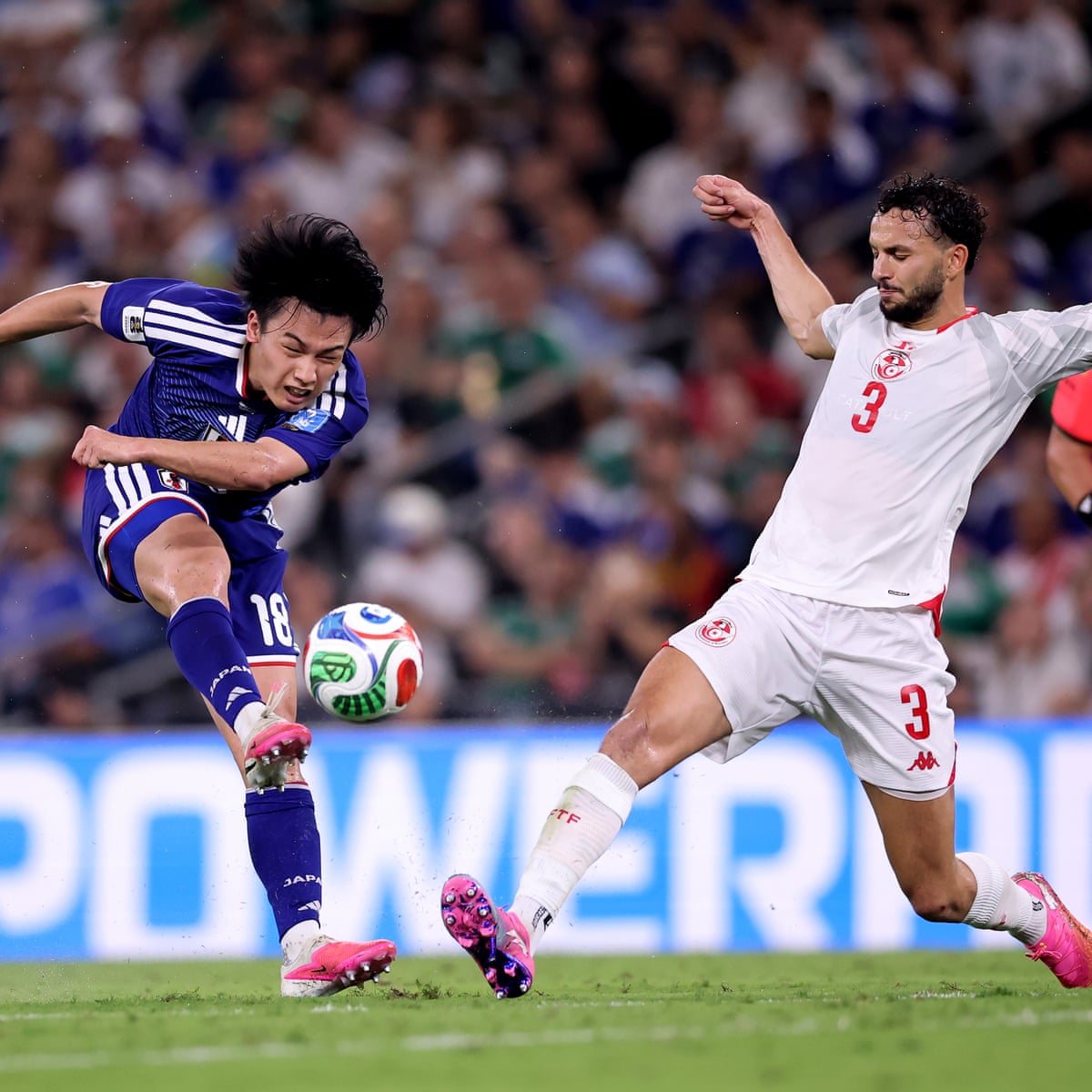
MONTERREY - The setting was the majestic Estadio Monterrey, a cauldron of anticipation and historical significance as the FIFA World Cup reached a monumental waypoint: the 1,000th match in the history of the world’s most prestigious tournament. While the occasion itself demanded reverence, the narrative that unfolded on the pitch was one of clinical, unyielding dominance. Japan, a side whose evolution on the global stage has been as steady as it is spectacular, faced a Tunisian team fighting for its tournament survival. By the time the final whistle pierced the Mexican evening air, the disparity between the two sides had become an immutable fact, solidified by a 4-0 scoreline that served as both a coronation for Japan and a somber conclusion to Tunisia’s 2026 campaign.
The tone for this historic milestone was established with lightning intensity. With less than four minutes elapsed on the clock, Daichi Kamada seized the collective consciousness of the stadium. A lapse in the Tunisian defensive alignment provided the opening, and Kamada, exhibiting the razor-sharp anticipation that characterizes his play, surged forward to deliver the opening blow. It was a strike of profound emotional weight, instantly stripping away the caution that often defines the early stages of such high-stakes encounters and forcing a Tunisian side already walking a tightrope of anxiety to abandon their tactical shell in favor of a desperate, reactive scramble.Japan’s ascendancy was not merely a matter of early momentum; it was the result of a profound, structural superiority. As the first half progressed, the Samurai Blue operated with an organization that felt almost telepathic. Every pass was a calculated probe; every run was a disruption of the Tunisian defensive lattice. The lead doubled through the industry of Ayase Ueda, whose presence in the penalty area had become a constant source of agony for the Tunisian backline. His strike before the interval was the physical manifestation of Japan’s control, a goal that acted as a psychological anchor, grounding the Japanese side in confidence while leaving their opponents visibly adrift.
Related article - Uphorial Shopify
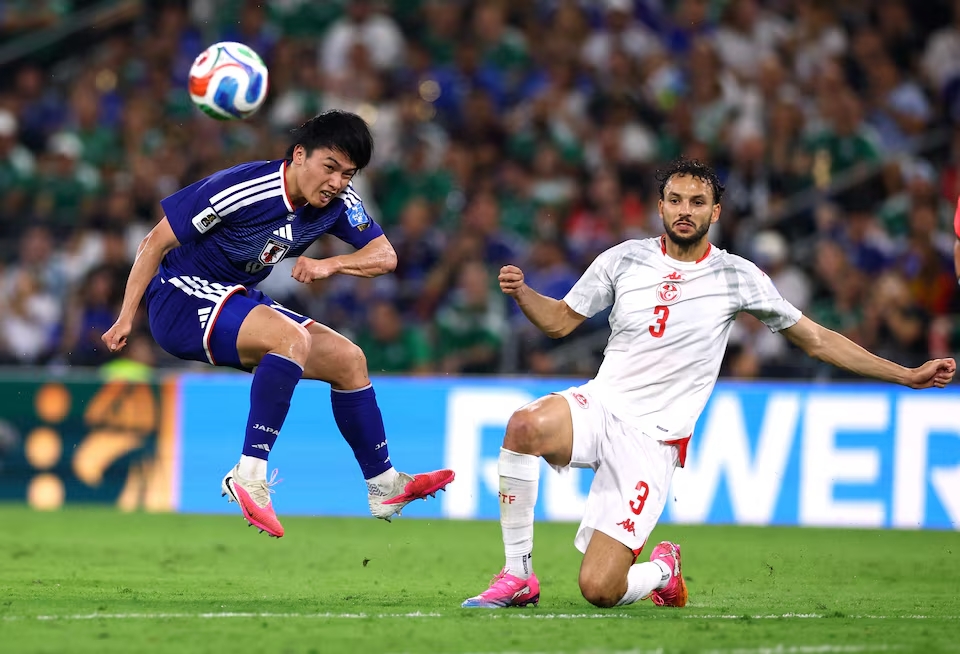
The second half became a testament to the relentless nature of Japan’s attacking philosophy. Rather than resting on the cushion of their two-goal lead, they emerged from the locker room with the ferocity of a side that viewed perfection as the only acceptable standard. The third goal, a product of the persistent pressure that had been the defining motif of the match, was claimed by Junya Ito. His finish was an exercise in pure technical execution, capitalizing on a Tunisian unit that was, by then, unraveling under the weight of an opponent that refused to offer a moment of respite.The final act of the evening saw Ueda return to the scoresheet to secure his brace, a goal that served as the final exclamation point on a performance that will undoubtedly be studied as a masterclass in modern international football. Throughout the ninety minutes, Japan displayed an attacking flair that was underpinned by a cold, surgical discipline. They moved the ball with a purpose that left the Tunisian coaching staff helpless to intervene, their defensive schemes dismantled by the sheer variety and velocity of the Japanese assault.

For Tunisia, the final whistle signaled a crushing end to their World Cup journey. Having entered the tournament with aspirations of defying the odds, they found themselves eliminated following consecutive, soul-searching losses. The heartbreak of their departure was palpable, a stark contrast to the jubilant scenes unfolding in the Japanese end of the stadium. As the players gathered their thoughts and departed the pitch, the reality of the tournament's unforgiving nature settled in—a reality where the margins for error are razor-thin, and where a side as organized as Japan can transform a historic milestone into a signature statement of their intent.With four points now secured in Group F, Japan moves forward not just as a qualifier, but as a team that has found its rhythm and its identity. They have transitioned from being a team that hopes to compete to one that expects to conquer, their progression into the next stage a deserved reward for a performance that married passion with surgical precision. As the tournament moves toward its next phase, the legacy of this 1,000th match will not just be the number attached to it, but the memory of a Japanese side that honored the occasion by delivering a performance that was as breathtaking as it was clinical, leaving a lasting impression on a tournament already defined by its moments of high drama.