Shingles, medically known as herpes zoster, is a viral infection causing a painful blistering rash on the skin, a condition resulting from the reactivation of the varicella zoster virus, the same virus responsible for chickenpox. Jonathan Bennion from the Institute of Human Anatomy explains that while many associate herpes with sexually transmitted infections, the chickenpox virus actually belongs to the herpes family of viruses, which is why shingles is sometimes referenced as the "old person's herpes".
Most individuals born before the 1990s vaccine rollout have had chickenpox. After recovery, the varicella zoster virus is not eradicated from the body; it retreats and "hides out in your body like a little dormant jerk faced viral volcano" within the nervous system. Specifically, the virus harbors itself within the dorsal root ganglion, a small swelling in a sensory nerve root coming directly off the dorsal aspect of the spinal cord. This area contains the cell bodies of sensory neurons, and the virus can remain dormant here potentially for many years—sometimes 20, 30, or maybe even 50 years.
The factor that "flips the switch and wakes this virus up" is typically something that weakens the immune system. Jonathan Bennion notes that the most common trigger is age, as the immune system naturally slows down as people get older, which is why about half of all shingles cases hit people over 60. However, the number of younger people developing shingles is increasing, potentially due to increased stress and a possible "decline of general health in the younger generation". Other factors like cancer treatments, HIV, organ transplants, or autoimmune disease can also weaken the immune system and influence the development of shingles. Once reactivated, the virus travels down a sensory nerve to eventually erupt on the skin.

Related article - Uphorial Shopify
Symptoms usually begin with a prodrome phase, a warning period involving tingling, itching, or burning pain in a specific area, usually on one side of the body over a very specific strip of skin. The rash then erupts as red patches that turn into fluid-filled blisters that typically crust over in 7 to 10 days. The pain can be intense, described as burning, stabbing, or an electric shock-like pain, and might linger for weeks or months.
The unique nature of the rash—painful and often one-sided—is explained by the virus's location in the nervous system. When the virus becomes active, it replicates and travels down the sensory nerve to terminate in the skin, causing the blistering rash and shedding. The rash's location corresponds to a dermatome, which is a specific area of skin supplied by a sensory nerve from a specific spinal level. Jonathan Bennion uses illustrations to show how the virus in a nerve root, such as the left L4 dorsal root ganglion, causes the rash and pain to show up in the L4 dermatome on the left side of your body. Because it often affects the thoracic dermatomes, the rash can wrap around one side of the torso like a belt, which is why the name shingles comes from the Latin word cingulum, meaning "belt or girdle". If the virus hides out in a cranial nerve, like the trigeminal nerve which serves the face, it can cause a rash on one side of the face; if this affects the ophthalmic division serving the eye, it can be serious and affect vision.
Jonathan Bennion clarifies that someone with shingles cannot give shingles to another person because shingles is the secondary infection. However, if a person with shingles is around someone who has never had chickenpox or been vaccinated against it, that person could initially develop chickenpox. This was illustrated by a case at the clinic where a father with a classic shingles rash exposed his two children, who had only received one dose of the two-vaccine chickenpox protocol, resulting in them developing a mild chickenpox infection.
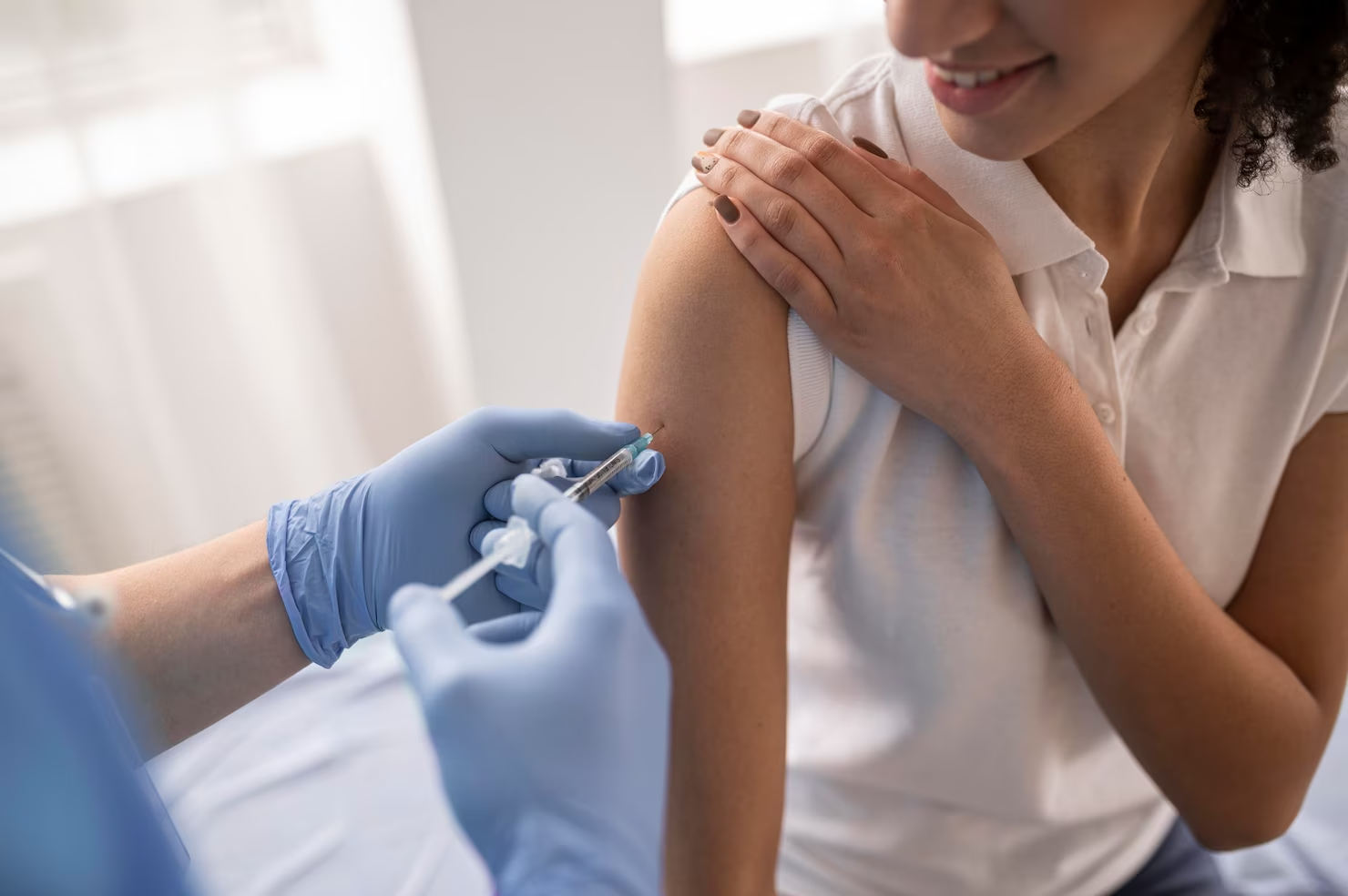
The Institute of Human Anatomy explains that those who got chickenpox naturally have a higher risk of developing shingles because they were infected with a live active virus, leading to a higher viral load. Those who were vaccinated received a live attenuated virus (a weakened virus), which is less likely to reactivate. Treatment involves antiviral meds like acyclovir or valacyclovir, which work best if started within 72 hours of the rash appearing to shorten the outbreak and reduce the risk of post herpetic neuralgia (nerve pain that can linger). There is also a shingles vaccine, recommended for adults over 50, which is over 90% effective with two doses. Even after a shingles episode resolves, the virus retreats back into the dorsal root ganglion, meaning a person can get vaccinated to prevent round two.