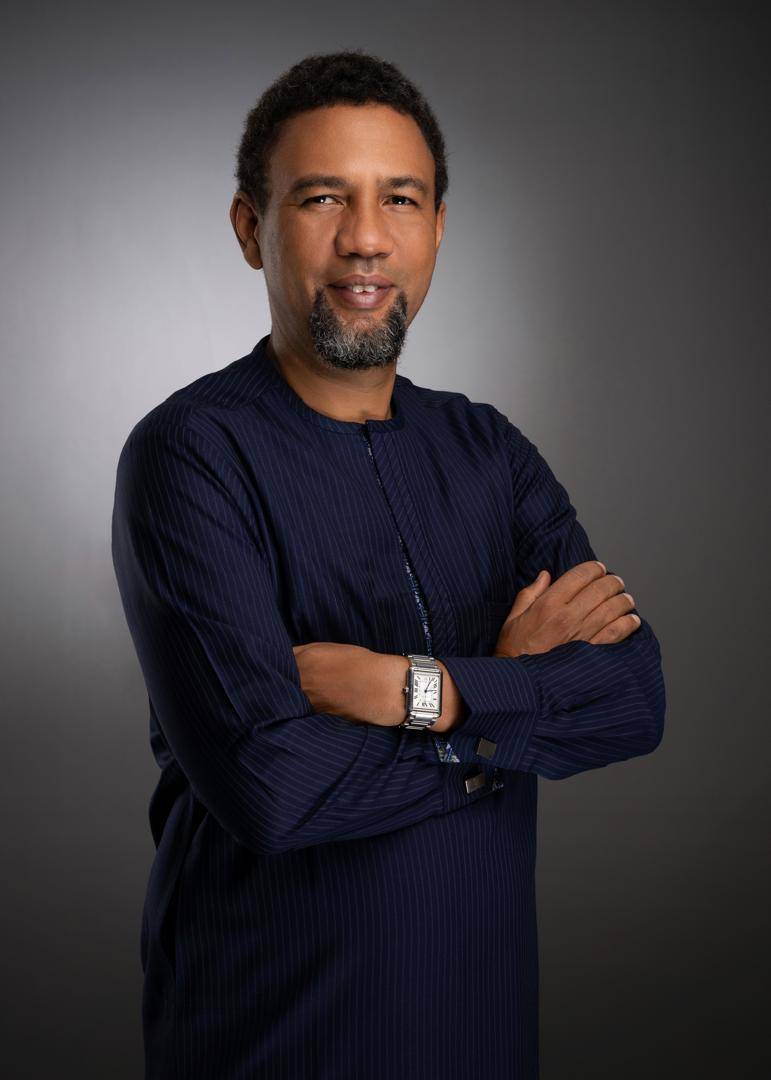
LOS ANGELES – The arc of Boris Kodjoe’s career, as articulated in his recent appearance on the Afropolitan Podcast, is not merely a trajectory of professional success but a masterclass in the deliberate construction of an identity centered on purpose. To observe Kodjoe is to witness a man who has successfully navigated the transition from the external validation of being an actor—a profession often defined by the whims of an industry—to the internal authority of an owner. This mindset shift, he contends, is the most critical hurdle for any creative professional. By moving beyond the role of a consumer, Kodjoe has charted a course that prioritizes the acquisition of knowledge, access, and capital, effectively reframing his career as an instrument for broader systemic influence rather than a singular pursuit of screen time.
This evolution is deeply rooted in his reconnection with his African heritage, a journey that has proven to be the most transformative element of his life’s work. Kodjoe speaks with profound emotional precision about the legacy of the Full Circle festival and the "Year of Return" initiative, projects that were designed to do more than just facilitate travel; they were meant to dismantle the outdated, often reductive narratives that have historically defined the continent. By catalyzing what he terms "investment tourism," Kodjoe has helped weave a new tapestry of engagement, one that recognizes Africa not as a destination of charity, but as a hub of untapped potential and legitimate, sustainable opportunity. His ability to frame the continent’s narrative as one of vibrancy and global relevance is a testament to his cultural understanding—a realization that changing the way the world views Africa begins with changing the way Africans and the diaspora view themselves.Kodjoe’s perspective is informed by a unique, global vantage point—born in Europe, raised in Germany, and established in the United States. This journey has given him a visceral understanding of the distortions inherent in Western media, which have long sought to categorize the Black experience through a lens of struggle, limitation, and minority status. He offers a sharp, corrective framing: that the Black diaspora is, in fact, a global majority. By rejecting the limited frameworks imposed by Western cultural narratives, Kodjoe encourages listeners to recognize the inherent power and sheer, historical depth of their own identity. This is not just a sociological observation; it is a strategic approach to living, an invitation to move through the world with the confidence of someone who understands their place in the broader, global architecture of human history.

Related article - Uphorial Shopify

As he looks toward the horizon of the creative industries, Kodjoe is profoundly optimistic about the role of technology and artificial intelligence. He views these tools not as threats to the creative spirit, but as the great democratizers of our time. By lowering the barriers to entry, technology allows creators on the African continent to bypass traditional gatekeepers and bring their own, authentic stories directly to a global audience. The value of these stories is no longer a matter of debate; the global appetite for authentic African narratives has reached a saturation point, and Kodjoe recognizes that the future of content production lies in the hands of those who are best positioned to tell their own truths, supported by the reach and scale that new digital tools provide.The conversation inevitably touched upon the personal foundations that allow him to sustain this level of outward impact: his long-term marriage to Nicole Ari Parker. Their partnership is framed as a crucible of mutual respect and friendship, but perhaps most importantly, as a shared commitment to the regulation of their nervous systems. In an industry that thrives on chaos and external pressure, Kodjoe views the health of their marriage as an essential component of their professional endurance. By prioritizing a calm, regulated domestic foundation, they have created a space where both can thrive independently while remaining anchored to one another—a model of emotional intelligence that defies the high-drama stereotypes of celebrity relationships.
Living with purpose, according to Kodjoe, requires a radical, uncompromising ownership of one’s own life. He urges those grappling with the weight of expectation to realize they are the directors, writers, and protagonists of their own movies. Too often, he notes, individuals find themselves caught in the trap of living by someone else’s timeline, performing a role that was scripted by societal norms or industry standards. By advocating for a life directed by personal intent, he provides a form of transformational framing that empowers the individual to step out of the shadows of others' expectations and into the light of their own potential.The narrative of Boris Kodjoe’s life is ultimately a call to action for the listener. It is an argument for a life that is intentional, researched, and deeply connected to one’s ancestry. He challenges us to stop asking for permission and start building the structures of our own autonomy. Whether through the lens of investment, the power of storytelling, or the discipline of a healthy partnership, his message is consistent: we are all, at every moment, capable of defining our own narratives. In a world that is eager to label and limit us, Kodjoe’s commitment to self-definition—to being an owner rather than a consumer, a majority rather than a minority, and the author of one’s own story—serves as a compelling, necessary guide for the next generation of global citizens.