In a candid and wide-ranging discussion on the "Afropolitan" podcast, Afrobeat legend Femi Kuti offered a profound dissection of his artistic journey, the enduring legacy of his father, Fela Kuti, and his unvarnished critique of Nigeria's systemic failures, all while championing the transcendent power of music. His reflections paint a vivid picture of a life lived at the intersection of musical genius, political activism, and deeply personal struggles, embodying a resistance that, as he eloquently puts it, "can dance".
Kuti openly shared the immense pressure he faced to emulate his iconic father, Fela, describing a societal expectation to "be like your papa" that felt like a burden rather than a blueprint. He recounted his conscious decision to forge his own path, asserting, "I cannot be Fela. If God wanted me to be Fela, I would have been Fela". This pursuit of self-identity led to conflict, notably when Fela publicly criticized Femi's debut album in 1989, dismissing it as "rubbish". Far from deterring him, Femi stated that the criticism "gingered me" to work harder, leading to formative songs like "Mind Your Own Business" and "No Place for My Dream".
His departure from Fela's band and the formation of Positive Force were met with public resentment and media hostility, but it was a crucial step towards his independence, supported by his maternal grandmother, who pushed him to practice diligently.
For Femi, music is far more than entertainment; it is a "magical" force, a divine gift that musicians are privileged to channel. He views the universe itself as musical, from the sounds beneath the sea to the rhythms of celestial bodies. He draws a clear distinction between various roles in the music profession – the artist, entertainer, musician, composer, and instrumentalist – emphasizing that it is a "very serious profession" that Europe and America respect, unlike in Nigeria, where "people took for granted" due to the lasting effects of colonialism. This dedication is evident in his demanding touring schedule, which he describes as "tedious" yet essential to his life, contrasting it sharply with the lack of touring infrastructure in Nigeria.
Kuti's most poignant remarks centered on the profound disappointment in Nigerian and African leadership. He lamented the failure of governments, attributing the continent's woes to "corruption," which he identifies as the "real colonialism". He vividly recalled a Nigeria that "worked" in his youth: pristine hospitals, free medical care, functional transportation, and a vibrant local sports culture, a stark contrast to the current state. He expressed heartbreak over the erosion of pan-African ideals – championed by figures like Kwame Nkrumah, Malcolm X, and his own grandmother, Funmilayo Ransome-Kuti – replaced by tribalism, selfishness, and leaders who act as "African puppets" to their "European and American masters". He envisioned a unified Africa with high-speed rail connecting nations, fostering industry and joy, rather than the division that serves external interests.
.

Related article - Uphorial Radio
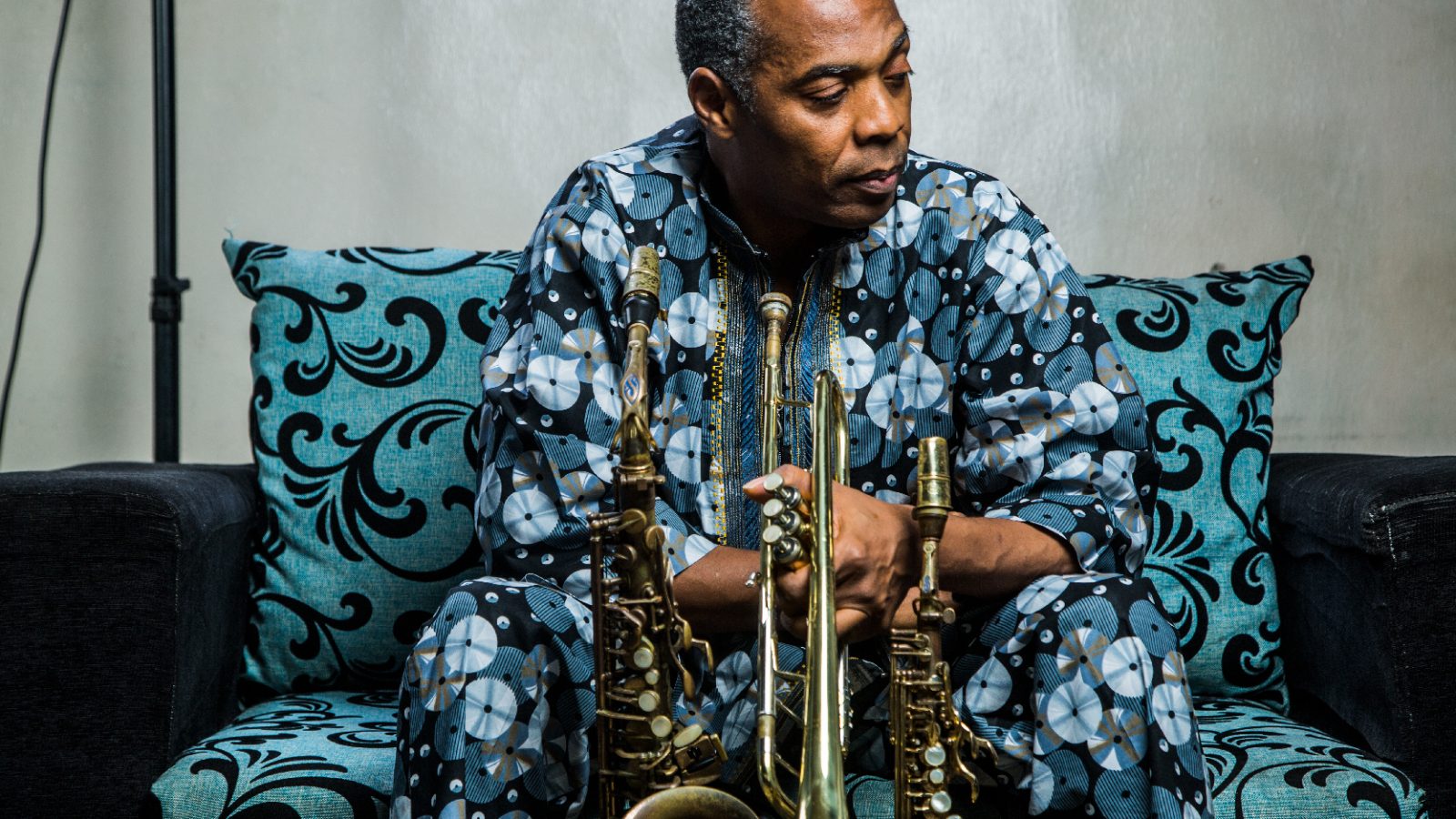
Fela's journey to creating Afrobeat was itself a blend of inherited talent and personal struggle. Born into a family of composers, including his great-grandfather, the first West African to record in 1925, Fela's classical training and exposure to traditional folk songs laid a rich foundation. However, it was the advice of his mother to find "his own music" and the influence of his American girlfriend, Sandra, who urged him to sing about meaningful issues like James Brown, that shifted his focus from Yoruba love songs to political commentary. This led to the birth of Afrobeat with hits like "Frustration" and "Jenkoku". Despite his massive stardom and wealth in the 1970s, Fela notoriously failed to invest in himself, leading to periods of extreme poverty. Femi observed that "everybody around you was stealing from you", a stark lesson that shaped his own approach to financial management and trust within his organization.
Femi Kuti has continued his father's legacy of using music as a tool for political resistance, consistently challenging successive Nigerian governments through songs like "Sorry Sorry". This stance has often isolated him, making him a target for misrepresentation and negative press. He recounted the frustration of band members running away on international tours, seeking opportunities abroad, which he sees as a symptom of Nigeria's broader failures. This led him to a resolute decision: "Never will I travel with new Nigerians in my band ever," opting instead for loyal long-term members or international musicians, a measure he believes is necessary to "sleep at night". He also highlighted the challenges of maintaining the iconic Shrine, battling theft and a lack of local support despite its cultural significance.
Looking to the future, Femi is deeply concerned about the state of the Nigerian music industry, criticizing artists who "buy your songs" rather than composing, and stressing the importance of proper music education, comparing it to medicine or law. He advocates for the establishment of world-class musical universities in Nigeria, believing that rigorous training is crucial for sustained success and dexterity, citing the embarrassment he felt for his own lack of formal reading skills compared to younger, trained musicians abroad. Kuti emphasized the importance of fostering intellect and integrity in governance, suggesting that "thinkers" and "philosopher kings" should advise leaders, ensuring collective agreement and long-term vision, rather than the current system driven by greed and short-sightedness. He encourages listening to younger generations, exemplified by his relationship with his son, Maddi, whose fresh perspective he values.
Reflecting on his personal life and family, Femi cherishes the unity among Fela's children, attributing it to the steadfast and unifying influence of his elder sister, Yen. Despite their different mothers, Yen's selflessness and wisdom have maintained peace within the family, illustrating a crucial lesson in human relationships: "if God had made me first, hey, when I said no shut up". He also humorously expressed a wish to bring his mother back from the dead to ask, "why she took the route she took," to understand the depth of her love for Fela despite his flaws, acknowledging the rarity of such unconditional devotion in today's world. Femi Kuti's narrative is a powerful testament to resilience, an artist's unwavering commitment to his craft, and a patriot's enduring, albeit often painful, love for his country and continent.