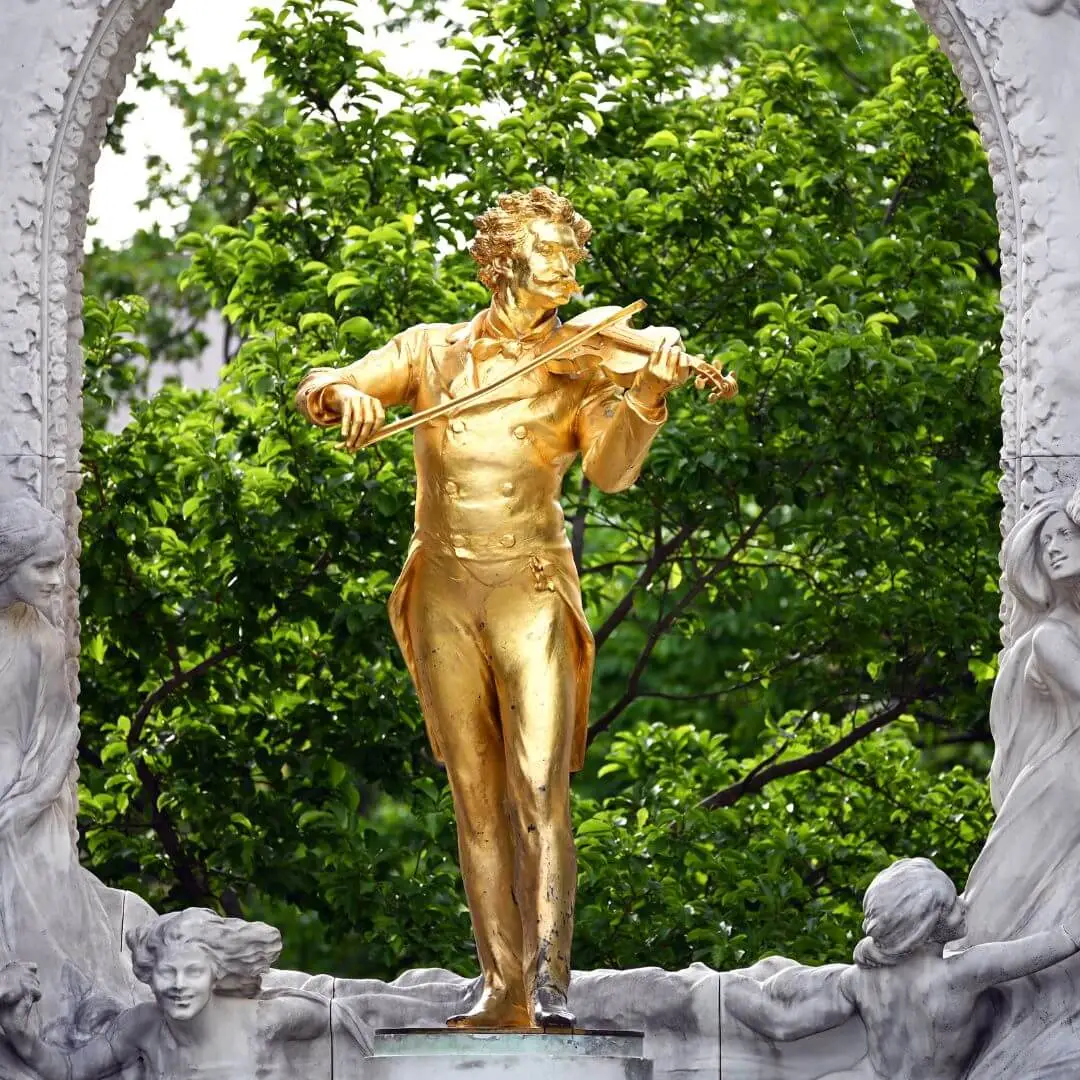
Vienna owes much of its enduring cultural energy and rhythm to Johann Strauss II, the musician who not only penned melodies but "created the scene" that defined an entire era. Before global icons like Elvis or Beyoncé, Vienna had Johann Strauss, a "famous classical artist" who sold out venues and went on international tours, earning the moniker "king of the waltz". The feeling his music evokes is one of dancing, making his work the "most iconic dance music in the world," despite the irony that he himself "didn’t like to dance".
The path to this legacy was marked by a dramatic family conflict. Johann Strauss Senior, who had started a musical dynasty, intended for his son to be "anything but a musician," specifically wanting him to study bookkeeping. Instead, Junior composed a waltz at age six, triggering a "full-on Strauss versus Strauss battle". Ultimately, the son completely outshone his father.
Related article - Uphorial Shopify
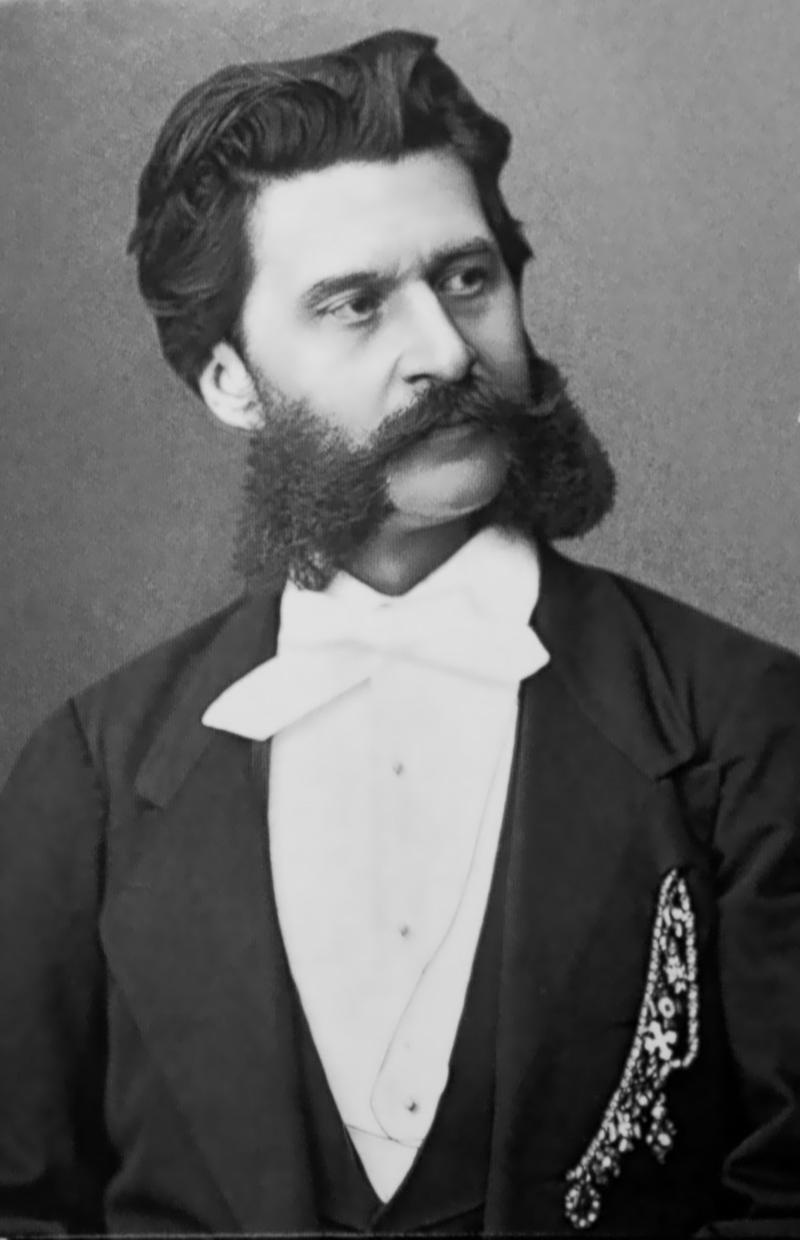
Strauss II’s genius lay in writing "the mood for the city". He created the soundtrack for "slow Sundays, of champagne nights, and of New Year’s mornings". This infectious energy is what remains central to Vienna's identity. While the venues have modernized, the original energy remains: Säulenhalle, once the dance floor for "everyone who is anyone in high society" during Strauss’ heyday, now hosts DJs and bass drops. Despite the different centuries and sounds, Vienna "still keeps dancing on" in the same place. The connection between his music and the city is palpable; for example, hearing the Danube Walzer while sailing on the Danube River is an immediate link to his work.
For those looking to delve deeper into his life and legacy, his story continues to play throughout Vienna at several locations. These include the Johann Strauss Apartment, the Johann Strauss Museum, New Dimensions, and the Haus de Musique. Strauss II did more than leave behind beautiful music; he crafted a definitive rhythm for Vienna that has transcended centuries.