The shimmering, translucent turquoise waters of the Coral Triangle in Indonesia have for centuries sheltered one of the most unique and resilient human cultures on Earth: the Bajau people, renowned globally as the world’s last true sea nomads. Living in stilt villages suspended above the ocean or dwelling within hand-crafted wooden boats, the Bajau possess an intimate, biological harmony with the marine world that defies modern imagination, boasting spleen adaptations and breath-holding capabilities that allow them to navigate the oceanic depths with aquatic grace. Yet, beneath the romanticized surface of this ancient maritime existence lies a harrowing, largely hidden modern reality. In a stunning, raw cinematic exposé filmed by Andrew Fraser, the camera strips away the colorful veneer of the international aquarium trade to expose the devastating, systemic exploitation fueling the tanks of suburban living rooms thousands of miles away.
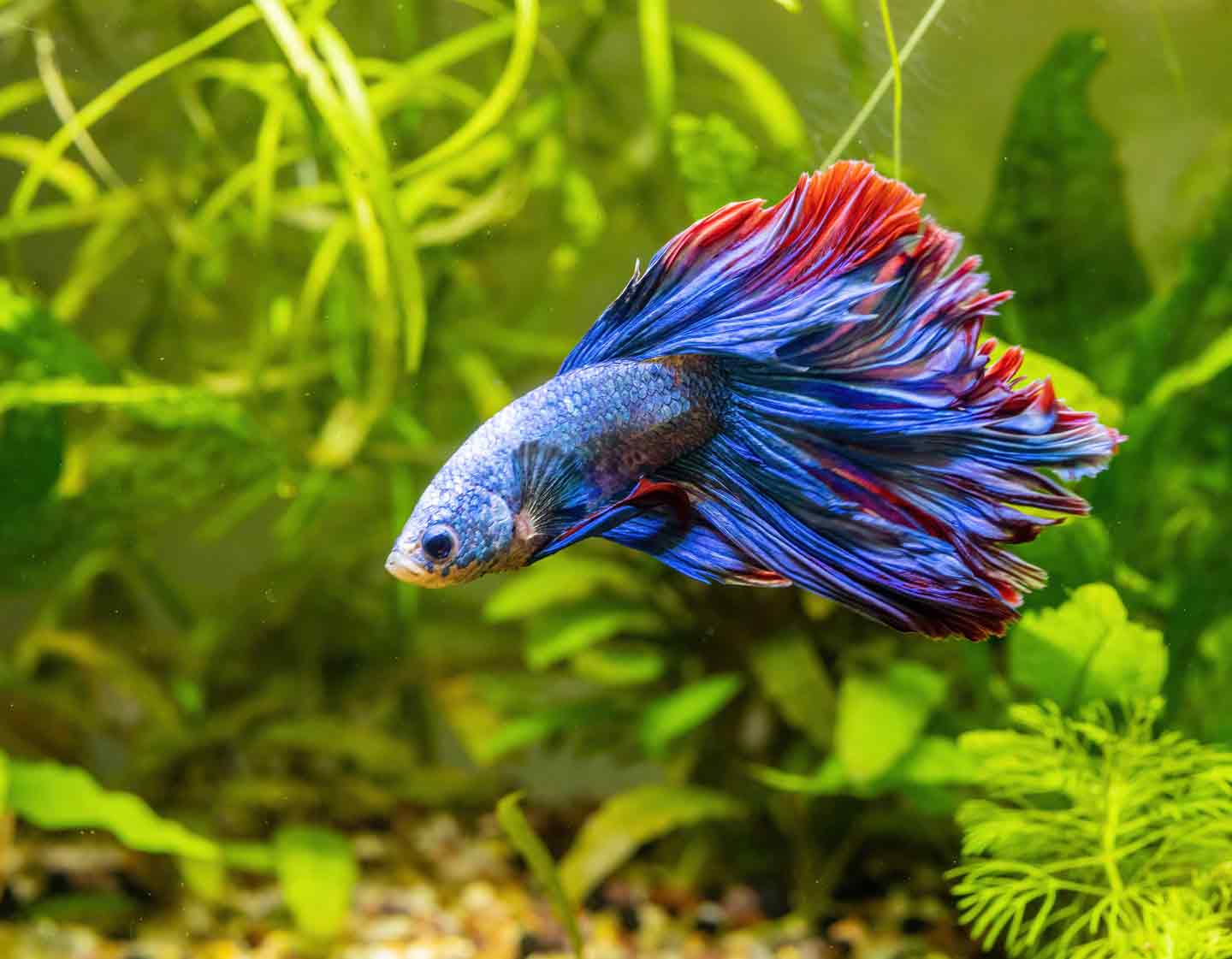
For generations, the heartbeat of Bajau survival was anchored in sustainable subsistence fishing—harvesting only what the coral reefs could generously provide to feed their communities and maintain a sacred, respectful balance with the marine ecosystem. However, as the tentacles of global modernization and consumer capitalism reached into the remote corners of the archipelago, that ancient equilibrium was violently upended. The focus of the sea nomads shifted dramatically from sustainable sustenance to the relentless, high-demand extraction of ornamental aquarium fish for lucrative international markets. Today, iconic marine species immortalized in popular culture—such as the vibrant clownfish and the striking blue tang, universally recognized by children across the West as "Nemo" and "Dory"—are hunted relentlessly not for the dinner table, but to satisfy the insatiable aesthetic appetites of foreign hobbyists.
Related article - Uphorial Shopify

This insatiable global demand has triggered an ecological catastrophe across local Indonesian reefs, which are being stripped bare with alarming, ruthless efficiency. Armed with nets and chemical solutions, fishermen capture thousands of delicate reef fish that fetch mere pennies locally, only to be marked up exponentially as they travel through a complex, opaque supply chain to high-end pet stores in Western capitals. Intelligent curation of this trade reveals a profound economic injustice: the human beings who risk their lives to harvest these living treasures receive a fraction of a percent of the final retail value, while bearing the entire ecological burden of a depleted marine habitat that can no longer sustain their traditional way of life.
As overfishing systematically decimates the shallow, accessible reefs near their ancestral waters, the Bajau are forced into a desperate, escalating cycle of survival. To locate the remaining ornamental fish, fishermen are compelled to travel exponentially further from home and dive significantly deeper into the open ocean. This desperate geographical shift has given rise to a deadly technological adaptation: the dangerous, unregulated use of home-made air compressors cobbled together from old propane tanks and mechanical parts to facilitate extended, deep-water descents. Lacking formal diving training, professional-grade gauges, or safety equipment, these divers descend into the abyss breathing dangerously contaminated air from unmaintained compressors, exposing themselves to the horrific physiological ravages of decompression sickness, chronic neurological damage, and sudden death.
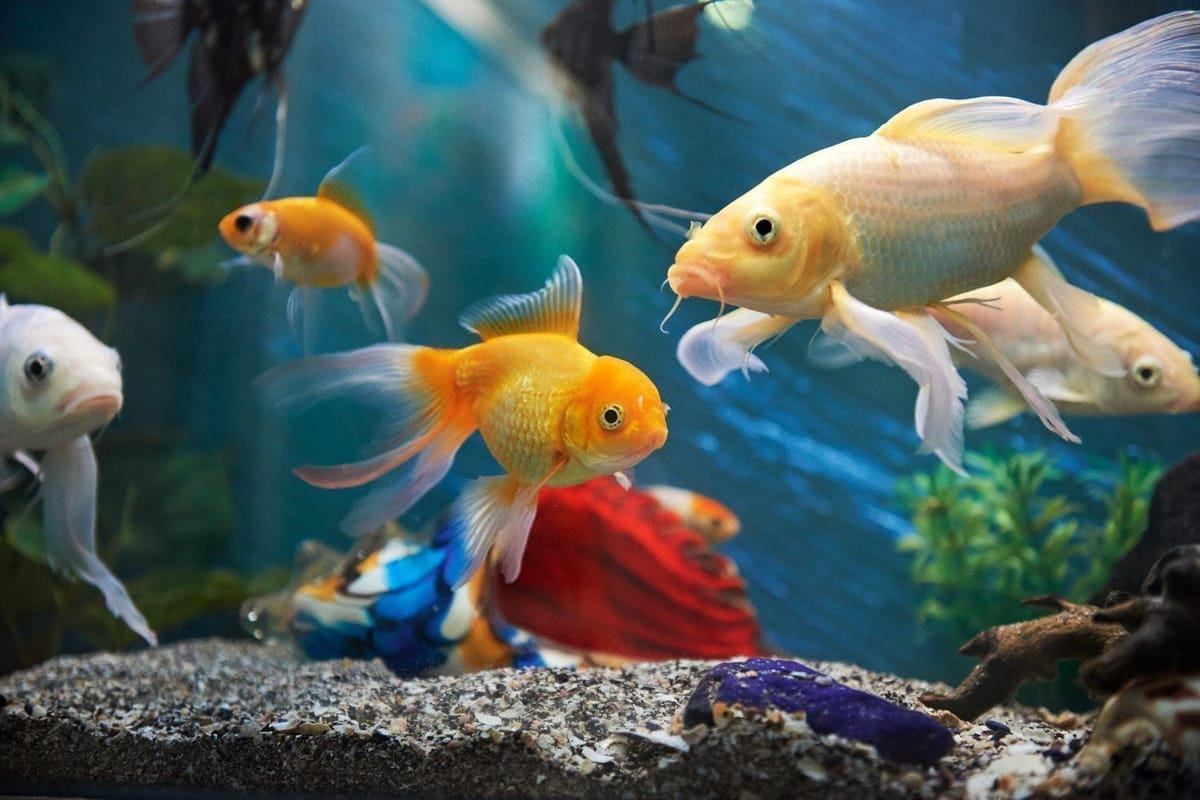
The human toll of this extractive economy is an unmitigated tragedy. Fathers, brothers, and sons descend into the dark depths day after day, trading their physical health and longevity for meager wages, returning to their stilt houses suffering from paralysis, chronic joint pain, and the permanent scars of a deep-water lottery where survival is never guaranteed. It is a profound cultural tragedy: a society that once served as the wise, protective stewards of the coral gardens is now being hollowed out by the very global market forces that consume the ocean’s beauty as disposable entertainment.
When viewed through the lens of emotional precision and cultural understanding, Andrew Fraser’s visual document serves as a piercing indictment of consumer ignorance. The vibrant, glowing fish swimming peacefully in illuminated home aquariums halfway across the planet carry a dark, invisible price tag paid in human suffering and ecological ruin. It is a transformational framing of our relationship with nature, challenging the modern world to look past the sanitized glass of domestic luxury and confront the devastating human and environmental cost hidden beneath the waves.