LONDON — The art of interior design has long sought a balance between the clinical perfection of modern architecture and the soulful, layered history of the past. In a definitive exploration of this aesthetic bridge, acclaimed interior designer Ross Cassidy has unveiled his strategic blueprint for navigating London’s most storied antique corridors. By shifting the focus from mere consumption to a philosophy of "dopamine-boosting curation," Cassidy provides an expert roadmap through the labyrinthine stalls of Portobello Road and the refined halls of Alfie’s Antique Market. His approach suggests that the most successful contemporary homes are not those furnished from a single catalog, but those that embrace the "perfectly imperfect" allure of vintage craftsmanship.
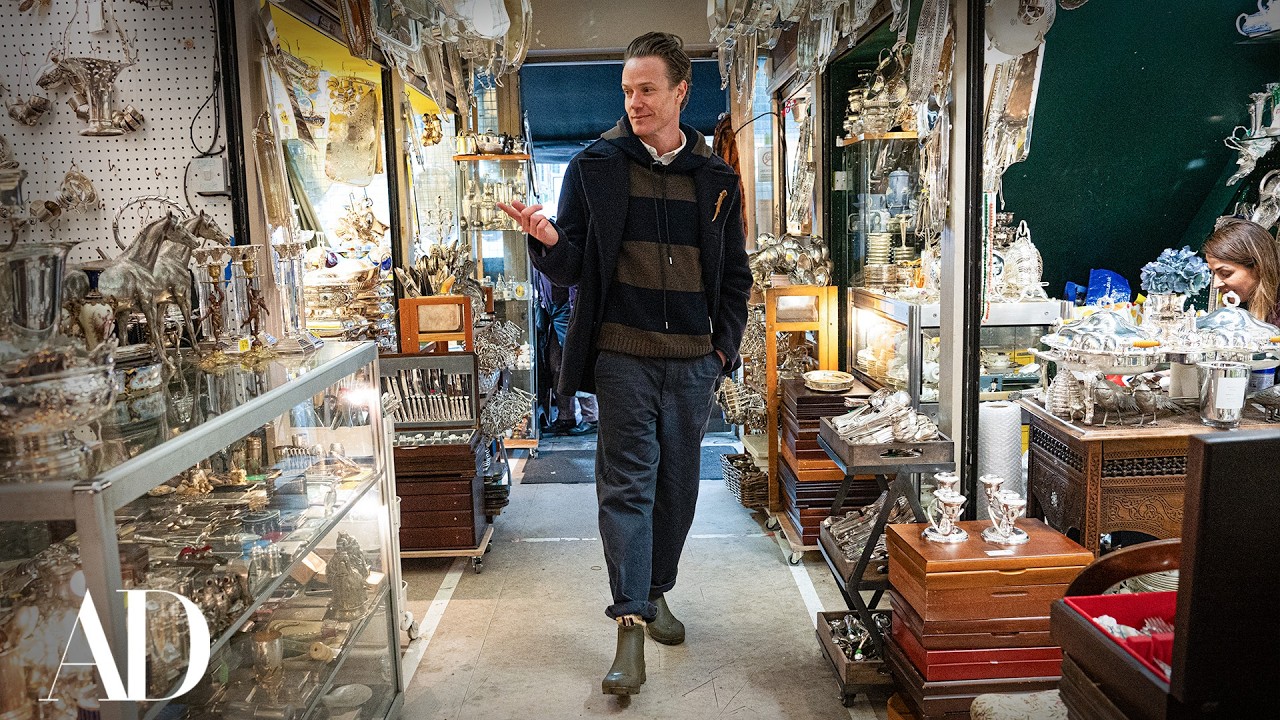
The journey into London’s vintage heart begins at the world-renowned Portobello Road Market. While the market is a global icon, Cassidy warns that its treasures are often hidden behind a veil of immense crowds and tourist-centric displays. To find the true high-quality antiques, he directs seasoned collectors to the Admiral Vernon arcade, a premier destination that serves as a sanctuary for authentic historical pieces. The logistical key to a successful Portobello excursion, according to Cassidy, is a commitment to the "early bird" philosophy. Arriving in the quiet hours of Saturday morning allows for a level of focus and negotiation that is simply impossible once the midday rush descends. For those seeking a more climate-controlled environment, Cassidy champions Alfie’s Antique Market as the ultimate indoor alternative. As London’s weather remains famously unpredictable, Alfie’s provides an expansive, multi-story collection of art, jewelry, and furniture, allowing the search for character to continue regardless of the rain.
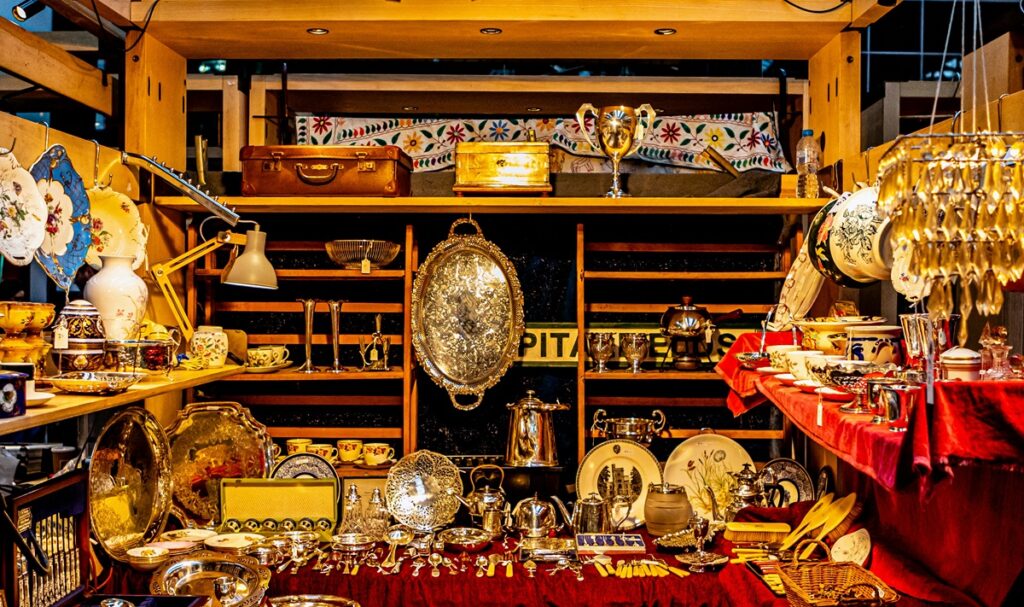
Within these markets, Cassidy’s buying strategies focus heavily on the revitalization of traditional silverware. He encourages shoppers to look past the perceived formality of silver and instead seek out full cutlery sets, with a particular eye for functional rarities like fish knives. However, his most provocative advice lies in the art of repurposing. In a Cassidy-designed home, a vintage silver ice bucket is rarely used for ice; instead, it might serve as a sophisticated, weighted trash can or a communal storage vessel for living room remote controls. This "high-low" blending takes objects once reserved for the aristocracy and gives them a tactile, everyday utility that feels both rebellious and refined.
Related article - Uphorial Shopify

When it comes to walls and surfaces, the designer advocates for a "personality-first" approach to art. For those just beginning their collection, Cassidy suggests bypassing the pressure of large-scale investments in favor of smaller, affordable pieces that possess a distinct soul. He places a high premium on weathered frames, noting that the chipped gilt or worn wood of an antique frame provides a necessary texture that breaks the "flatness" of clean, contemporary interior lines. This interest in the small and the detailed extends to his passion for Art Nouveau glass. He points out that these pieces are at their most transformative when backlit, revealing a depth of color and craftsmanship that modern manufacturing rarely replicates. Furthermore, he suggests that collecting miniatures—often overlooked as "clutter"—can be used to create a visually striking, grid-like wall arrangement that commands as much attention as a singular large canvas.

The technical atmosphere of a home is equally dependent on lighting, where Cassidy introduces a modern solution to a vintage problem. He describes small, rechargeable portable lamps as an essential tool in any designer’s kit. These cord-free devices allow light to be introduced into the "tricky" spaces of a home—such as deep bookshelves or isolated kitchen islands—where traditional wiring is either impossible or unsightly. By layering these small pools of light with the backlit Art Nouveau glass mentioned earlier, a designer can create a home that feels both luminous and mysterious.
Beyond the purely aesthetic, Cassidy’s rules for a home are rooted in a deep sense of hospitality and convenience. He maintains a strict, non-negotiable directive that every seating area—regardless of its size or location—must be paired with a small side table. This ensures that a guest is never left searching for a place to set a drink, a small detail that Cassidy believes is the hallmark of a truly lived-in and welcoming space. These tables often serve as the perfect pedestal for the unique treasures found in the market, acting as a functional stage for history.
Ultimately, the philosophy Ross Cassidy shares is one of emotional resonance. Vintage shopping is presented not as a chore of decoration, but as a hunt for objects that trigger a genuine neurological "spark" of joy. By curating pieces that carry the weight of history and the mark of expert craftsmanship, a homeowner can infuse a modern space with an unmistakable character. Cassidy’s London excursions remind us that while trends are fleeting, a dopamine-boosting object found in the early morning light of Portobello Road can provide a lifetime of design satisfaction.