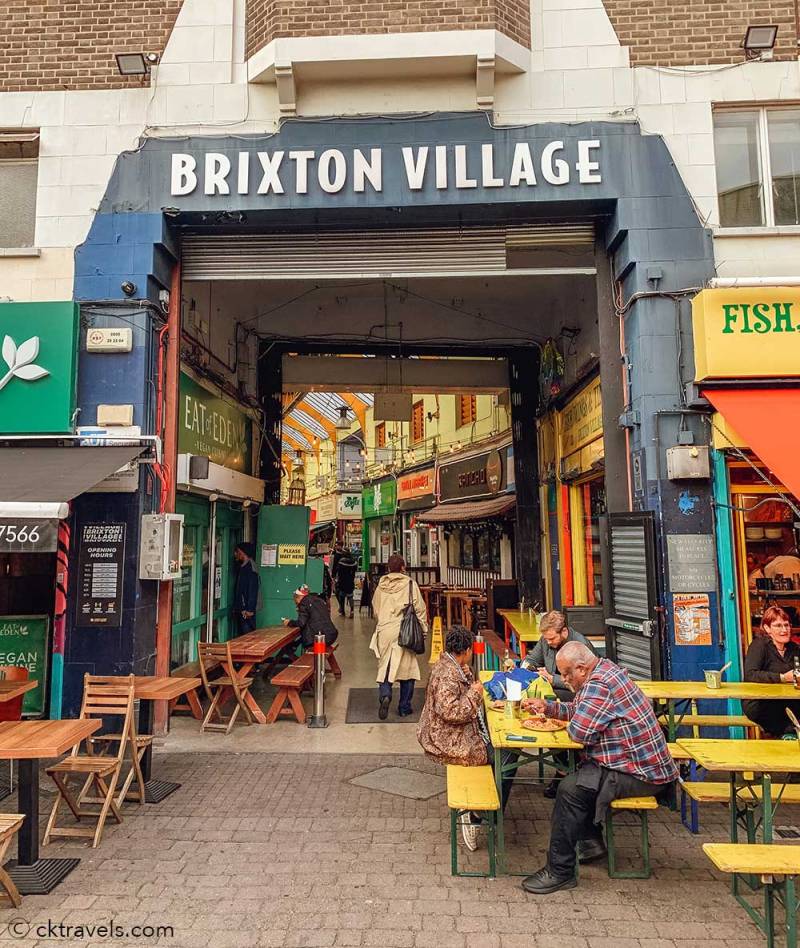
The acclaimed docuseries RepDatTV and Surviving South London offer an unprecedented look inside one of the UK's "most notorious places," bringing the reality of life in postcodes like SW9 to a global scale. The series delves into the culture of territorial conflict, systemic neglect, and the profound cultural shifts that defined growing up in areas such as Brixton.
For residents, the concept of a "war" was immediate. From Year Seven onward, one’s postcode automatically determined their identity; being from SW9 meant you were a "Brixham boy". This created a daily "war" between areas like Brixton and Peckham, even if the youth were unaware of how or why the conflict started or where they stood within it. The threat was constant, forcing children to stick together, going home and jumping on the train in groups for safety. These turf wars, often witnessed among older students (Year 10 and 11), who looked like "big grown men" or "grown women," filtered down to younger age groups. Brixton’s exclusive patch was "Country Show," a spot so protected that "no one would ever think about coming to country show" from outside areas like Toes Hill or Brixton Hill. Conversely, Peckham was known for landmarks like Katie's Maddest Chicken Shop and Mr. Wong's firework shop. In school, association with local figures provided "clout" and, critically, safety.
Related article - Uphorial Shopify
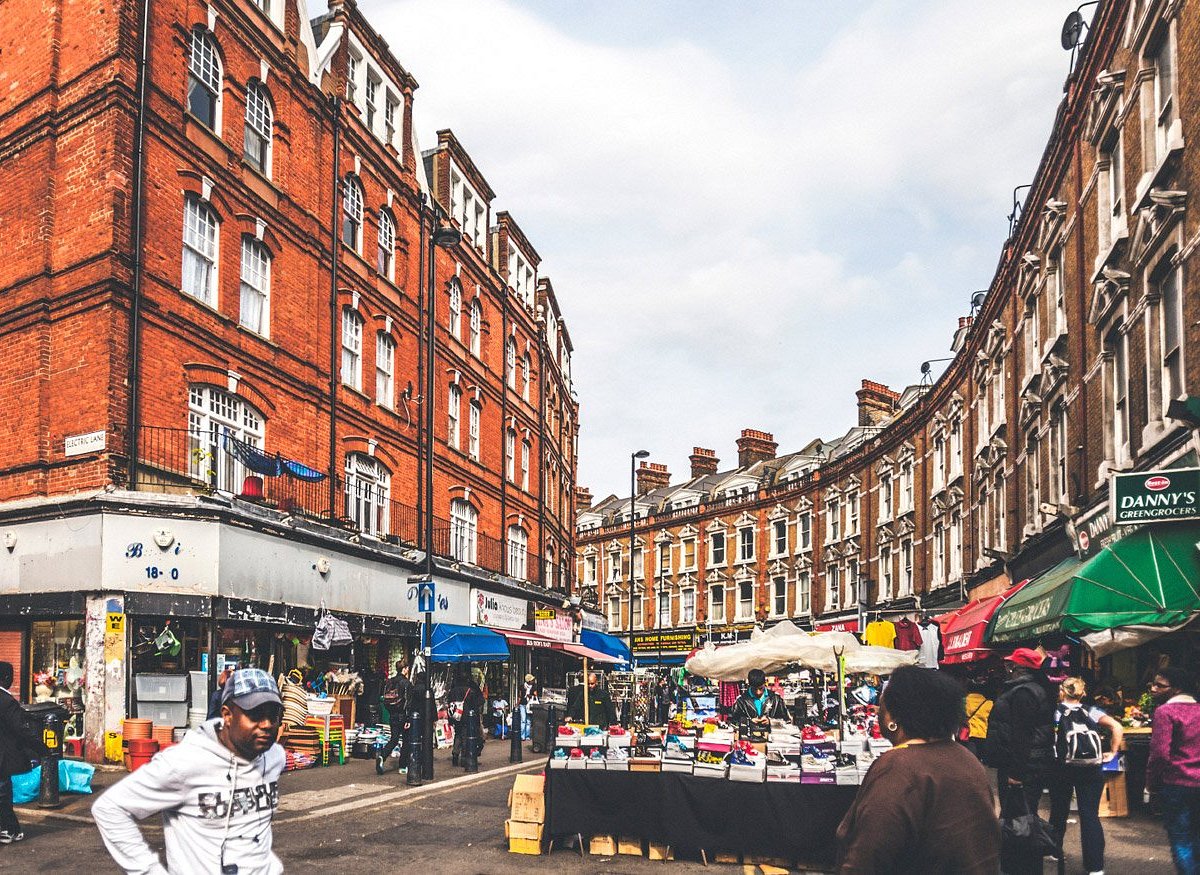
Beyond the turf battles, life on the estates was marked by severe trauma and neglect. Many children were left to fend for themselves when parents struggled with drug addiction or decided to leave home, sometimes abandoning children as young as four and eleven years old. This environment led to necessary survival skills, including prostitution, stealing uniform from Woolworth’s, and friends going hungry. Resourcefulness was key, with children using spending money to buy food for neighbors at Quick save, despite not being able to read or write at the time. One account noted the necessity of using an uncle's shears to cut friends’ hair because they couldn't afford a barber.
A huge cultural influence on South London identity, particularly in Brixton, came from the Jamaican diaspora. Stemming from the Windrush era, Jamaican people, especially the Rastapharians, were known for their "zero tolerance" and helped protect the community against external forces like the National Front (NF). This created a period where everyone wanted to be Jamaican. The culture was "rife" in Brixton, influencing fashion from "slick suits" and "click suits" to desert boots, mariners, and leather caps. However, there was a distinction between religious, cultural Jamaican churchgoers and the "Yardis," who represented a "darker side of things" related to violence and revolution.
A significant cultural shift occurred around 1992 or 1993. The influence of yard culture and music, which spoke about revolution and shooting enemies, transitioned the atmosphere from mere scuffles to serious violence. By 1995 or 1996, punch-ups were replaced by incidents involving stabbings and shootings. This darker presence forced local elements to "up their game" to maintain control of their area. The violence also invaded nightlife, with street culture figures like the Soul Solid mob arriving at clubs, where people stopped dressing up and started wearing "axes on". Older gangs, like the 28s, were replaced by new ones, including the PDC and Gas Gang.
For many, this escalating violence served as a turning point. Tragic events, such as a friend being shot outside their mother's house, made it clear that living the street life was not a path to success.
A critical point raised by Surviving South London is the total absence of mental health support. Events like seeing a murder on one’s doorstep are simply accepted; the expectation is to "get on with it". The idea of seeking counseling "don't exist" unless one actively goes looking for it, which most do not, reinforcing the silence around the pervasive trauma of South London life.