In the collective consciousness of Nigeria, there exists a silence that has persisted for nearly six decades—a fragile, unspoken boundary separating the trauma of the past from the complexities of the present. The recent release of Surviving Biafra: Voices from the Nigerian Civil War, a documentary by BBC Africa Eye, serves as a powerful, necessary intervention in this national discourse. Directed by Meji Alabi, the film acts as a temporal anchor, capturing the final testimonies of a generation that is rapidly fading from the landscape of living memory. By prioritizing the voices of those now in their 70s and 80s, the documentary shifts the focus from the sterile, often contested archives of political history to the raw, visceral reality of the individuals who bore the heaviest costs of the 1967–1970 conflict.
The project is driven by a profound sense of urgency, rooted in the realization that the primary witnesses to this era are reaching the twilight of their lives. For these survivors, the war was not a series of maneuvers or diplomatic maneuvers; it was a daily struggle for existence defined by fear, displacement, and the crushing reality of a humanitarian catastrophe. The documentary is a triumph of intelligent curation, moving with a deliberate pace that allows these voices to inhabit the space they occupy on screen. We hear from men who served in the Biafran Civil Defence Force, their memories still punctuated by the specific, haunting sounds of the era, and from those who endured the conflict as children, their experiences shaped by the profound confusion and terror of a world suddenly unraveling.
Central to the film’s narrative is the brutal, systematic reality of the blockade that defined the later years of the war. This was not a side effect of the conflict; it was a mechanism of attrition that led to a famine of biblical proportions, claiming the lives of an estimated 500,000 to 3 million people. The documentary approaches this with emotional precision, refusing to hide behind the safety of vague historical statistics. Instead, it grounds the scale of the tragedy in the specifics of the civilian experience. It highlights the desperation of mothers fighting to keep their children alive, the psychological burden of a generation lost to starvation, and the pervasive sense of abandonment that haunted the region during those long, silent years. By focusing on the lived reality of the blockade, the film challenges the viewer to confront the human price of political deadlock.
The cultural understanding woven into the film is what truly sets it apart. It recognizes that the Nigerian Civil War is not a closed chapter; it is an ongoing, evolving presence in the national identity. The film explores the lingering legacy of the conflict—how it continues to shape the discourse around national unity, reconciliation, and the persistent, often painful questions of truth and justice in a multi-ethnic state. The stories told are not just retrospective; they are an essential contribution to the future. They serve as a reminder that a nation that fails to reconcile with the ghosts of its past is condemned to carry them into its future. The documentary invites the viewer to reflect on the tension between the desire for peace and the necessity of confronting the realities of our shared history.The film’s strategic storytelling lies in its decision to move the "microphone" away from the architects of the war and toward the victims and soldiers who lived on the front lines. By doing so, it accomplishes a transformational framing of the narrative: it shifts the ownership of the history from the state to the people. This is an act of historical reclamation. It acknowledges that the true record of the Nigerian Civil War does not reside solely in diplomatic cables or military reports, but in the memory of the person who hid in the bush, the person who stood in a food line, and the person who saw the world change forever in a matter of months. This focus gives the documentary a weight and a gravitas that elevates it beyond a mere retrospective.

Related article - Uphorial Shopify
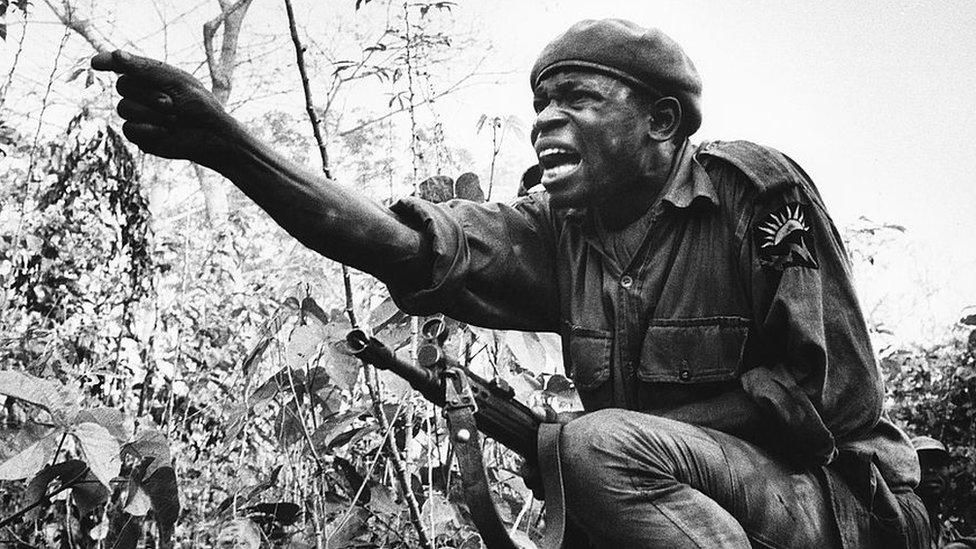
Throughout the project, there is a consistent, haunting thread of urgency. Why tell these stories now? The documentary provides the answer through the very act of filming. As the survivors speak, there is a sense of closure, a desperate need to pass on the truth before the final generation is lost. This adds a layer of emotional intensity to every interview. The act of sharing these memories is portrayed as a profound responsibility—a burden that has been carried for decades and is now being deposited into the public record. For many of the participants, this is their first opportunity to have their experience validated on a global stage, turning a lifetime of private grief into a public testimony. The documentary also explores the role of the conflict as the world’s first truly "televised" humanitarian crisis. It examines how the images of suffering, projected onto screens across the globe, changed the international understanding of war and charity. This brings a layer of intellectual reflection to the film, questioning the role of global empathy—or the lack thereof—in the escalation and conclusion of the war. It prompts the audience to consider how the world’s gaze shaped the conflict, and whether the lessons we claimed to have learned from that era have held true in the decades since. It is a sobering, critical look at the intersection of media, conflict, and international politics.
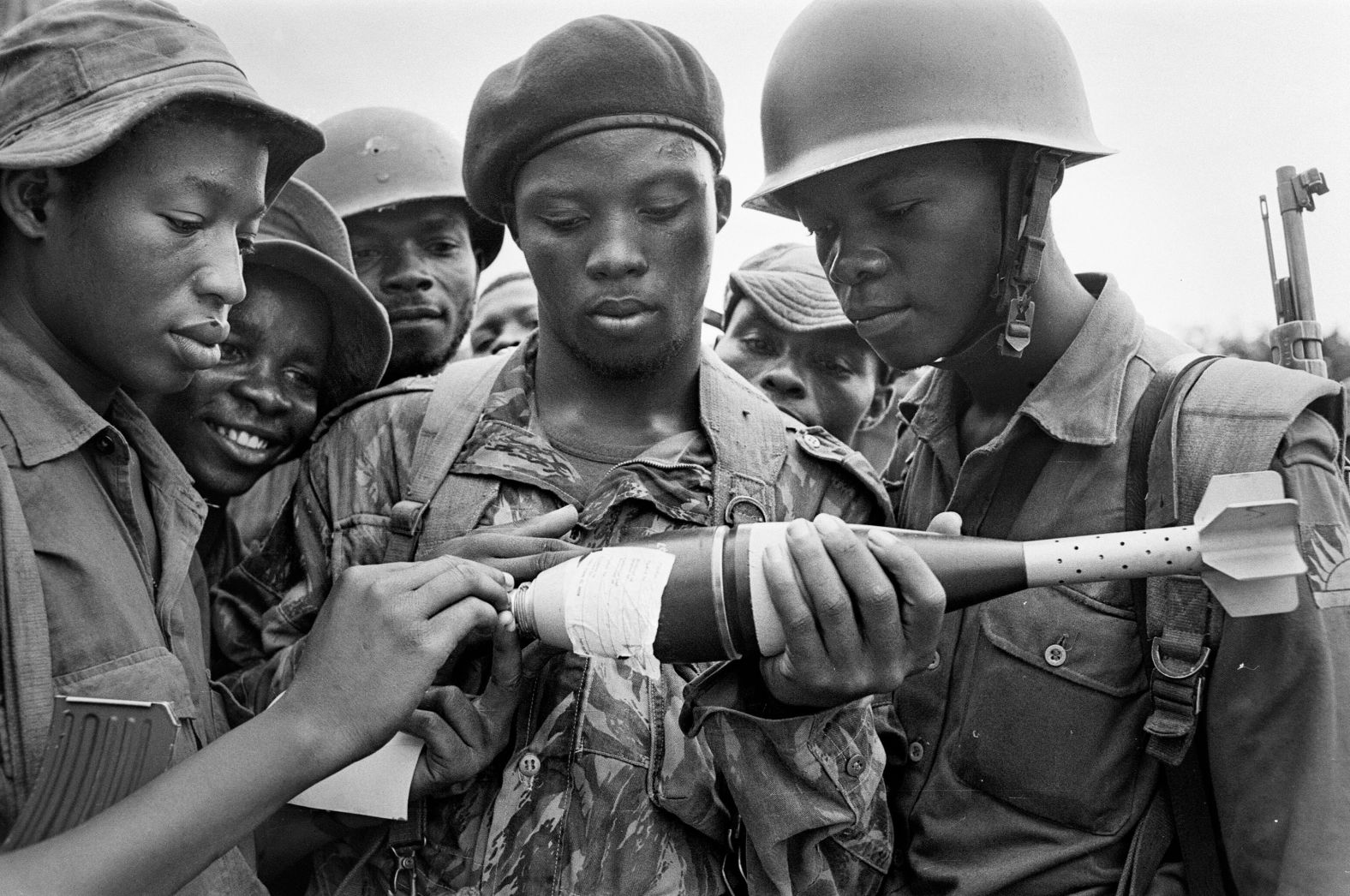
As we reach the final act of the documentary, the focus transitions from the trauma of the past to the possibility of the future. The survivors do not speak of vengeance, but of a quiet, burning need for acknowledgment. There is a palpable sense of resilience in their voices, a strength born from the knowledge that they were part of a struggle that defined the very soul of the country. Their presence is a rebuke to the idea that the war can be forgotten; they are the living monuments to the history that is often ignored or downplayed. Their stories are not just tales of survival; they are a manifesto for a different kind of Nigeria—one that is built on the foundation of radical honesty and genuine empathy.
In its totality, Surviving Biafra is more than a film; it is a vital, necessary intervention in the project of national memory. It demands that we look at the history of our country not through the lens of political rhetoric, but through the eyes of the people who paid the price for our unity. It is a work of immense courage, both on the part of the survivors who chose to speak and the filmmakers who chose to listen. By capturing these testimonies, the documentary ensures that the history of the Nigerian Civil War will no longer be left to the imagination, or to the revisionism of those who were never there. It is a testament to the fact that while the war may have ended in 1970, the process of healing, understanding, and reconciliation is a task that must be undertaken anew by every generation. As the echoes of these stories reverberate across the country and the diaspora, the film serves as a catalyst for reflection. It poses the fundamental question: what does it mean to be a Nigerian in the wake of such profound division, and how do we build a future that honors the sacrifices of the past without remaining shackled to its trauma? The documentary does not provide the answers, but it clears the path for the conversation to begin. It proves that the most important development project any nation can undertake is the construction of a shared memory, built on the substance of truth, the precision of our collective experience, and the transformational power of a voice that has finally, after decades of silence, been given the space to be heard.