On a breezy evening in Morocco, under the roar of a growing crowd and the glow of West African pride, Nigeria’s Super Falcons delivered a statement, loud, clear, and thunderous. They didn’t just defeat Zambia; they dismantled them. A 5-0 victory that was more than a scoreline. It was a reminder. A declaration. A return to form. But to understand the weight of this moment, you must first understand who the Super Falcons are.
More than just Nigeria’s national women’s football team, they are a living legacy. A team that has carried the dreams of generations, from the dusty fields of Owerri to the packed stadiums of Johannesburg. These women have dominated the continent for decades, winning a record 11 Women’s Africa Cup of Nations titles. Yet in recent years, their dominance has been questioned, challenged by the rise of nations like South Africa, Morocco, and Zambia. Critics had begun to murmur. Was this the end of the golden era? Was Nigeria’s stranglehold on African women’s football finally loosening?

Related article - Uphorial Podcast
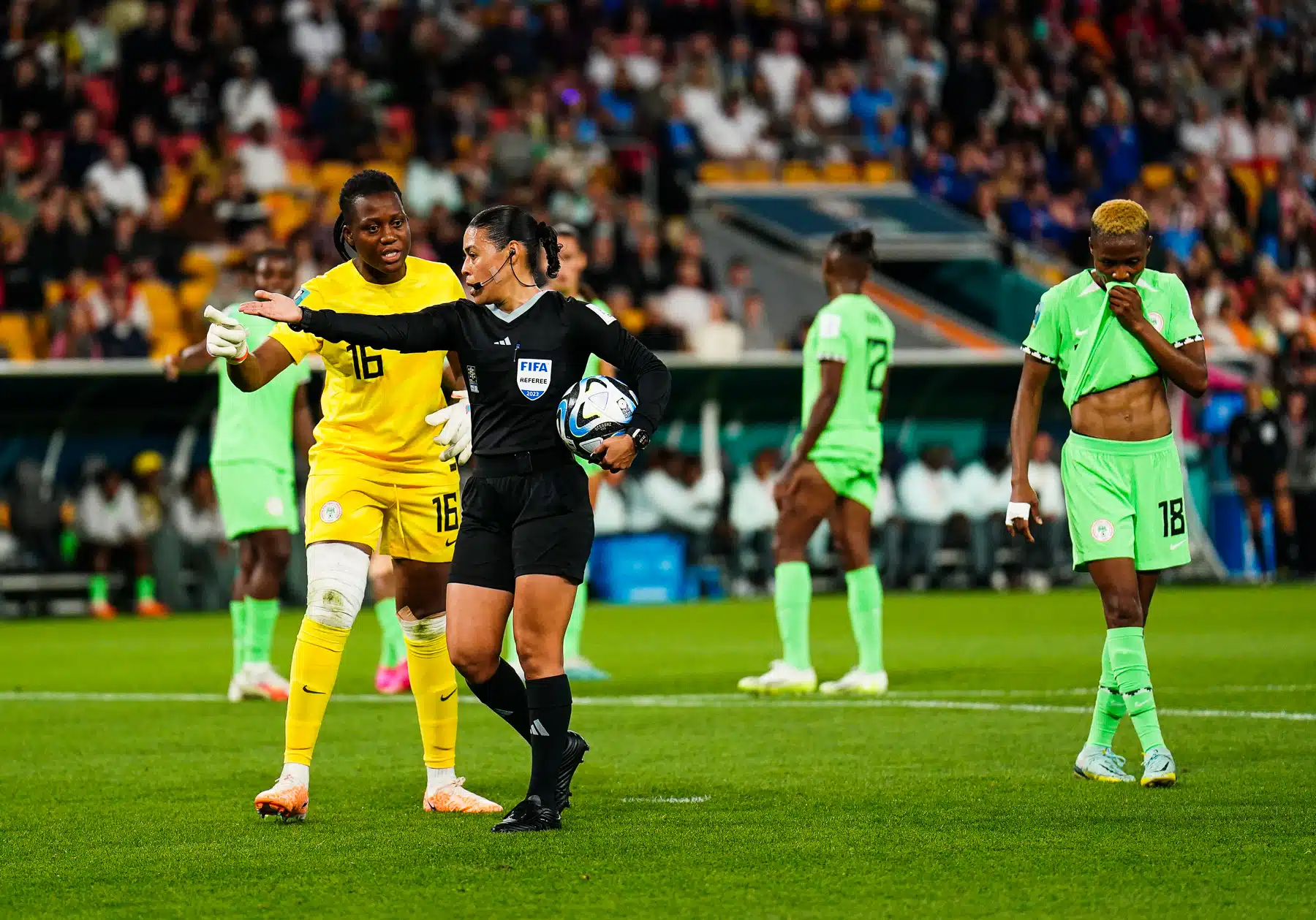
And then came this match. This masterclass. A performance drenched in speed, hunger, control, and the kind of confidence that only history can bestow. From the opening whistle, it was clear the Super Falcons had come with something more than tactics; they came with intent. Desire. Purpose. It wasn’t just about reaching the semi-finals of WAFCON 2025; it was about reclaiming something deeper: respect. Uchenna Kanu, with the calm of a veteran and the urgency of a fighter, led the charge. Her brace stunned Zambia’s defense, each goal a piece of poetry written with the foot. Toni Payne, long underappreciated, danced through midfield with elegance and grit, dictating rhythm like a conductor in cleats. And then there was Asisat Oshoala, the Barcelona forward whose presence alone tilts defenses. Her goal, rich with instinct, reminded everyone why she’s a global icon.
But the scoreline, however emphatic, was only part of the story. What stood out wasn’t just how Nigeria won, it was how they played. There was a unity in their movement, a trust in each pass, a collective energy that hadn’t been this visible in years. These weren’t just 11 players on a pitch. They were sisters, bonded by sweat and sacrifice, playing not just for a trophy but for a nation that expects nothing less than greatness.
Head coach Randy Waldrum, who has faced both criticism and doubt since his appointment, deserves credit here. His tactical blueprint, once questioned, now seems like the silent engine driving this machine. He’s slowly building something layered and lethal: experience blended with youth, structure married to flair. Beyond the pitch, this win reverberates in deeper ways. In a country where women's sports still fight for visibility and respect, every goal is more than a point; it’s a protest. It’s a spotlight. It’s a door opened wider for the next generation of girls who dare to dream.
And Zambia? They are no pushovers. Their rise in African football is real and deserving of recognition. But on this night, they were simply overrun by a team that decided enough was enough. No more doubts. No more second-guessing. The Queens of African football are still seated on the throne, and they reminded everyone why. As the Super Falcons prepare for the semi-finals, one thing is now certain: this is not a team looking back. This is a team reborn. Fueled by legacy, led by purpose, and roaring with new fire. Africa, be warned. Nigeria isn’t just back. They never left.