The intersection of public health, personal dignity, and cultural taboos often finds itself buried beneath generations of silence, unexamined myths, and casual embarrassment. Nowhere is this more evident than in the intimate, highly sensitive realm of oral hygiene, a subject that affects every human interaction yet is rarely discussed with the scientific clarity and emotional empathy it truly requires. Stepping directly into this conversational void, the renowned health and wellness platform Unclog with Aproko Doctor dedicated its 22nd episode, released in August 2026, to tackling a topic that many whisper about but few properly understand. Featuring host Aproko Doctor in an illuminating dialogue alongside a trusted dental professional known as The African Dentist, the episode titled "Is Your Mouth Smelling? Do This!" cuts through social stigma with surgical precision, dismantling entrenched misconceptions and offering a masterclass in accessible, medically backed preventative care.
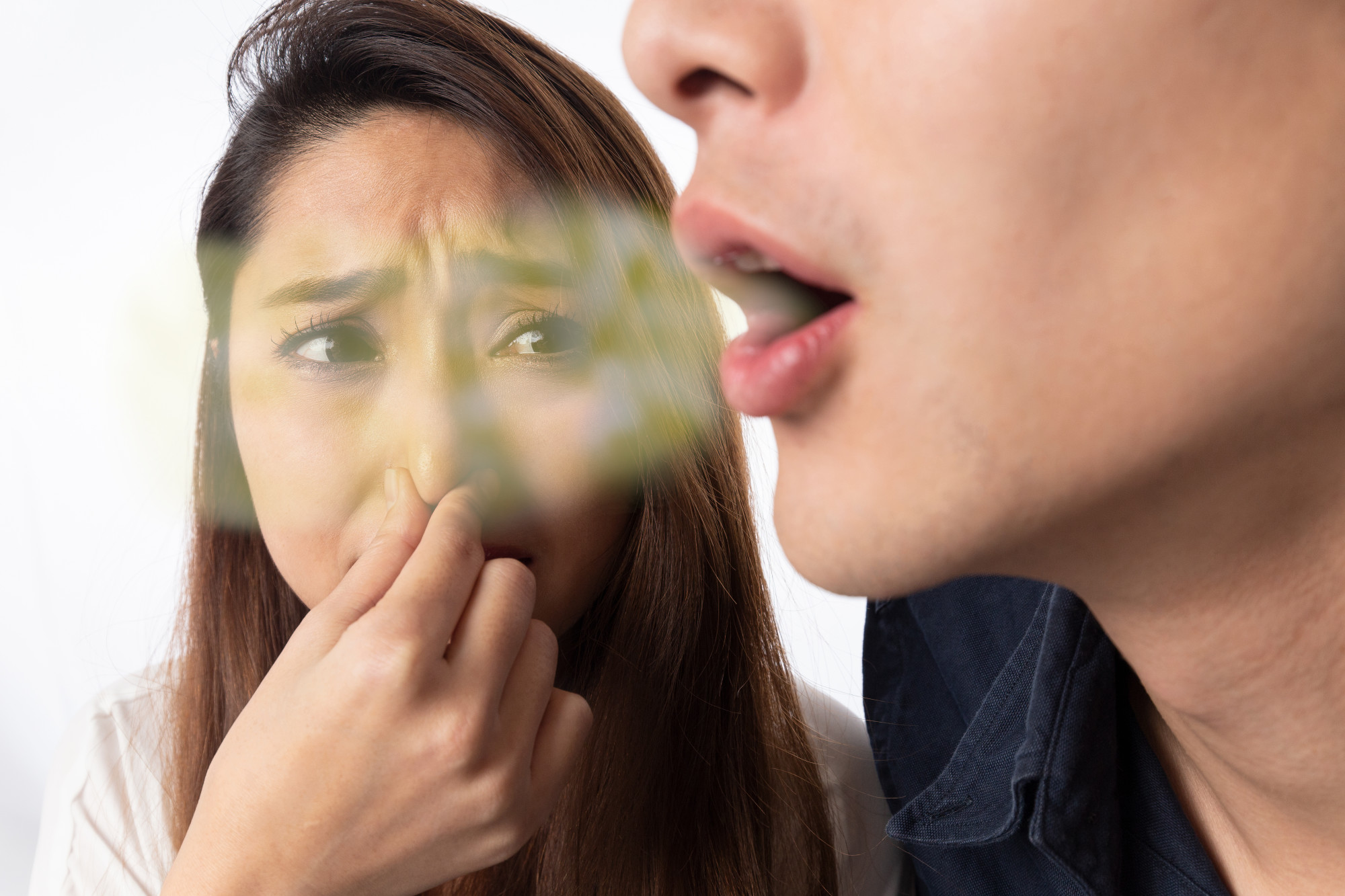
At the emotional core of the discussion is the profound psychological weight carried by chronic bad breath, or halitosis, and dental vulnerability. In many societies, oral malodor is frequently weaponized as a moral failing or a source of deep shame, rather than treated as what it fundamentally is: a physiological condition governed by biology, chemistry, and bacteria. The episode establishes deep cultural understanding by acknowledging how deeply personal and anxiety-inducing dental insecurities can be, affecting everything from professional confidence to romantic intimacy. By addressing the taboo head-on, the conversation shifts the narrative from quiet embarrassment to proactive self-care, validating the silent struggles of millions who navigate the world fearing the very breath they exhale.
Related article - Uphorial Shopify

The structural brilliance of the discussion relies on intelligent curation, breaking down the complex micro-ecosystem of the human mouth into digestible, highly actionable truths. The expert dialogue illuminates the fascinating biological reality of the overnight hours, explaining how saliva production dramatically plummets while we sleep, creating an ideal, low-flow breeding ground for millions of bacteria to multiply undisturbed. This nocturnal bacterial compound is the universal culprit behind morning breath, proving that waking up with an altered taste or scent is not a personal failure, but a natural biological process that requires strategic intervention rather than reactive panic.
Through transformational framing, the episode completely upends conventional daily habits, challenging deeply ingrained routines that many people have followed since childhood. The discussion introduces the golden rules of modern dental hygiene, upending the traditional post-breakfast brushing habit by advocating for brushing before eating to clear away the nocturnal bacterial accumulation and coat the enamel with protective fluoride. Furthermore, it dismantles the reflexive habit of washing out the mouth with water immediately after brushing, explaining that rinsing away the toothpaste foam dilutes the protective fluoride before it has a chance to work. By advising listeners to simply "spit, don’t rinse," the conversation bridges the gap between simple daily mechanics and long-term enamel preservation.
The strategic storytelling deepens as the discussion moves from surface-level hygiene to the insidious nature of structural dental disease. Using a striking analogy, The African Dentist compares tooth decay to termites working silently inside wood—by the time physical pain or sharp sensitivity registers in the conscious mind, the destruction is already deep, extensive, and structurally compromised. The chilling medical truth delivered in the episode—that "pain is not the beginning of dental problems; pain is the deadline"—serves as an urgent wake-up call against reactive healthcare habits. It shifts the audience's mindset from crisis management to disciplined, routine prevention, emphasizing that waiting for pain guarantees a far more complex and costly intervention.
Finally, the narrative addresses the mechanics of chronic halitosis and stubborn buildup, demystifying conditions that leave many feeling helpless. The conversation sheds light on how persistent bad breath frequently originates from bacterial activity harboring on the neglected back regions of the tongue, underlying gum disease, or hidden pockets of plaque, proving that a quick mint or mouthwash is merely a temporary mask over a structural issue. Similarly, it confronts the reality of calculus—the hard, yellowish-white tartar hiding stubbornly behind the lower front teeth that standard consumer toothbrushes cannot eradicate, necessitating professional scaling at a dental clinic. By demystifying these clinical truths and reaffirming the irreplaceable, cavity-fighting power of fluoride, Episode 22 of Unclog transcends standard medical advice. It stands as an empowering public health manifesto, reminding audiences that true wellness begins with a mouth treated not with shame, but with science, respect, and meticulous care.