LOS ANGELES – The air inside the recording space thickens when a performance ceases to be merely tracked and begins, instead, to be actively conjured. Within the newly unveiled enclave known as the Still Lounge, the traditional, clinical boundaries of modern digital tracking were completely dissolved, replaced by a hyper-visceral manifestation of American musical lineage. The release captures a live, soulful performance by singer Tonio Armani that functions as a monumental act of cultural preservation rather than a standard promotional session. Sweating under the warm, geometric glow of the room, Armani does not simply sing; he repurposes the space into a living, breathing canvas of collective memory. The broadcasted session operates through a masterful application of strategic storytelling and transformational framing, establishing the Still Lounge not merely as a studio set, but as a sovereign aesthetic sanctuary where the gritty, unvarnished history of Southern soul is aggressively thrust into conversation with the absolute cutting edge of contemporary West Coast curation.
To enter the interior logic of this performance is to first confront its striking visual and physical architecture, a space explicitly designed to channel the kinetic energy of Ernie Barnes’ legendary 1976 painting Sugar Shack. For generations, Barnes’ masterpiece—famed for its depiction of elongated, ecstatic Black bodies lost in the fluid, rhythmic syncopation of a mid-century North Carolina dance hall—has served as the definitive visual shorthand for uncompromised Black joy, rhythmic elegance, and communal release. By physically realizing this iconic work into the three-dimensional layout of the Still Lounge, the project executes an elite piece of cultural understanding. The dancers, musicians, and onlookers who crowd the periphery of the frame are not static extras; they are styled and directed to embody the exact, fluid elongation and unburdened freedom found in Barnes’ canvas. The emotional precision of this visual curation transforms the television or phone screen from a cold viewport into a warm, sweat-drenched portal, forcing the modern viewer to experience the music not as a sterile, isolated consumer product, but as a participant in a historical continuum of sanctuary-making and rhythmic transcendence.
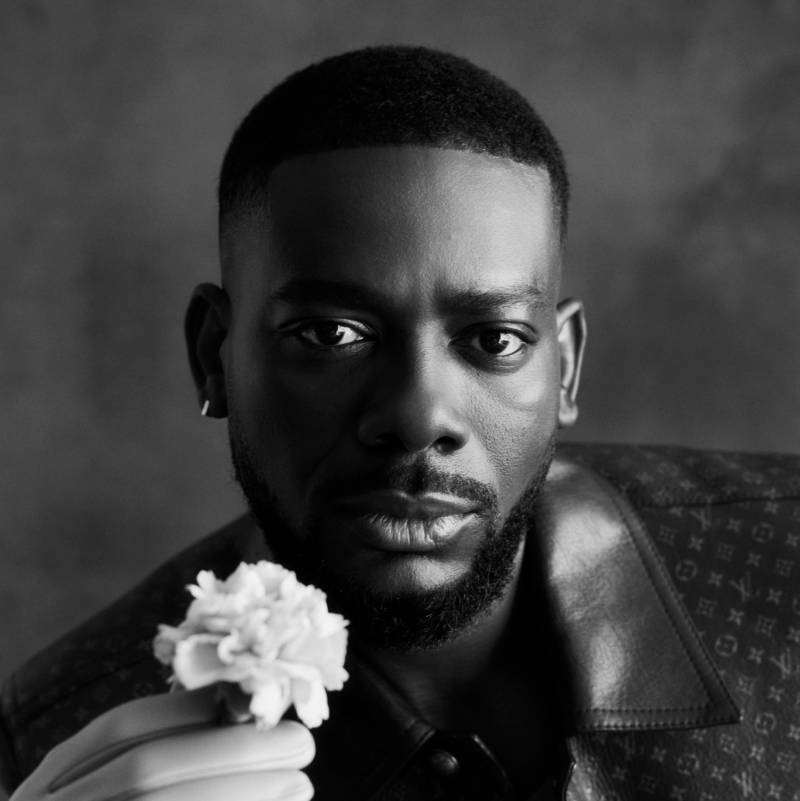
Stepping into the center of this visually magnificent storm is Tonio Armani, a formidable vocal force originating from the historic soil of Columbus, Georgia. Armani’s presence on the stage represents an extraordinary casting choice that grounds the entire high-concept production in raw, institutional authenticity. He brings with him a vocal instrument that cannot be manufactured by software or polished by studio trickery; his voice is a deeply lived-in, gravel-tinged vehicle that carries the distinct weight, cadence, and texture of the American South. When he opens his mouth to deliver a searing rendition of Barrett Strong’s foundational 1959 Motown classic, "Money (That’s What I Want)," the choice of material reveals itself as a brilliant stroke of intelligent curation. Rather than opting for a safe, contemporary ballad, Armani targets a song that stands as the literal cornerstone of commercial rhythm and blues. He strips away the polite, early-sixties pop constraints of the original, reinterpreting the track with an uncompromising, muscular urgency that transforms a simple plea for financial survival into a fierce, existential anthem of ambition, necessity, and raw human desire.

Related article - Uphorial Shopify

This explosive vocal energy is masterfully directed and sustained by the visionary musical stewardship of Anderson .Paak, who handles the session’s arrangements with a spectacular sense of historical reverence and contemporary groove. Operating as the session's musical director, .Paak consciously bypasses the quick, convenient shortcuts of modern digital loop creation, choosing instead to meticulously recreate the high-stakes, collaborative atmosphere of the legendary 1960s-style in-house band studio sessions. Pinned to the hallowed floorboards of the historic Henson Studios in Los Angeles—a facility that has absorbed the creative genius of everyone from Joni Mitchell to A&M Records' finest—the live band functions as a singular, highly responsive organism. The horn section bites into the arrangement with a crisp, punchy syncopation, while the backup vocalists construct a dense, gospel-infused wall of harmonic counter-melodies that push Armani’s lead performance into higher registers of emotional intensity. .Paak’s strategic storytelling ensures that every instrument breathes, bleeds into the neighboring microphones, and reacts in real-time to the shifting dynamics of the room, preserving the chaotic, beautiful imperfection that defines genuine human collaboration.
The overarching cinematic gaze that binds this volatile mixture of movement, color, and sound belongs to the legendary director Fatima Robinson, whose authoritative lens handles the performance with a profound level of stylistic poise. Robinson, an undisputed pioneer in the visualization of modern Black rhythm, completely rejects the hyper-frenetic, over-edited cutting style that plagues contemporary performance media. Instead, her directorial strategy focuses entirely on providing an intimate, unhurried, and deeply authentic musical experience. She allows her cameras to linger on the subtle, micro-expressions of the performers: the strain in Armani’s neck as he reaches for a blue note, the shared, telepathic nods between the rhythm section, and the rhythmic, synchronized sway of the dancers who populate the shadows of the lounge. Through this deliberate pacing, Robinson transforms the video from a mere document of a musical cover into a high-concept piece of performative art, where the boundaries between the past and the present are systematically dismantled for the viewer.
The performance builds toward a deafening, ecstatic crescendo, a chaotic explosion of brass, percussion, and soaring vocal runs that pushes the physical capacity of the Still Lounge to its absolute limit. As Armani delivers his final, exhausting vocal declaration, the arrangement collapses into a spontaneous, thunderous burst of genuine applause and ecstatic cheering from everyone captured within the studio walls. This final, unscripted moment of celebration serves as the ultimate justification for the project’s creative existence. It proves with absolute clarity that when real, lived-in talent from the geographical heart of soul music is paired with the elite, uncompromising production values of modern visionaries, the resulting art ceases to be a mere homage. It becomes a vital, sovereign document that honors the giants of the past while carving out an unshakeable, electric, and hyper-detailed blueprint for the future of global soul expression.