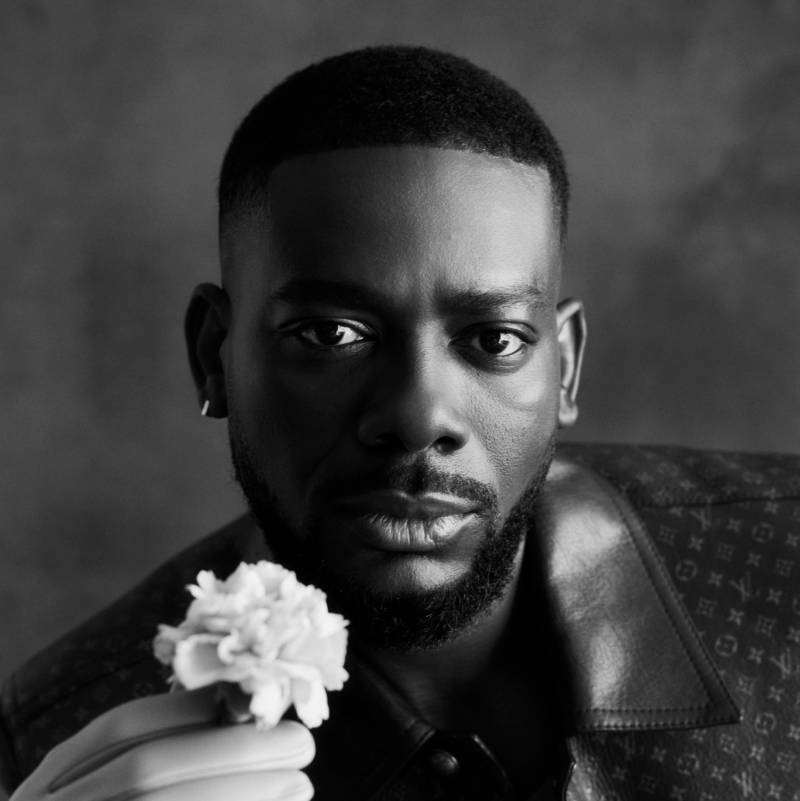
There’s a certain rhythm to memory, and in the world of hip-hop, few artists have composed it quite like Slick Rick. With his unmistakable British accent, bedazzled eye patch, and lyrical flair that rivals Shakespearean wit, Rick has never just been a rapper—he's been a narrator of the human experience, whimsical and raw. Now, decades after “Children’s Story” cemented itself into the DNA of hip-hop, Slick Rick is back with a new album, and it’s a revelation—both a tribute to the past and a vision of the future.
To understand Slick Rick’s resurgence, you must first return to the gritty pulse of 1980s New York, where a young Richard Martin Lloyd Walters—born in London but raised in the Bronx—found his voice among block parties and street corner cyphers. A child of Jamaican descent, Rick was different from the start. He was soft-spoken, meticulous, and had already lost vision in one eye due to a childhood injury. But none of this hindered his ambition. Instead, it sharpened his instincts. His lyrical style was precise, intentional, and almost cinematic. He didn’t just rhyme—he painted scenes, unfolded plots, and gave hip-hop its first real taste of immersive storytelling.
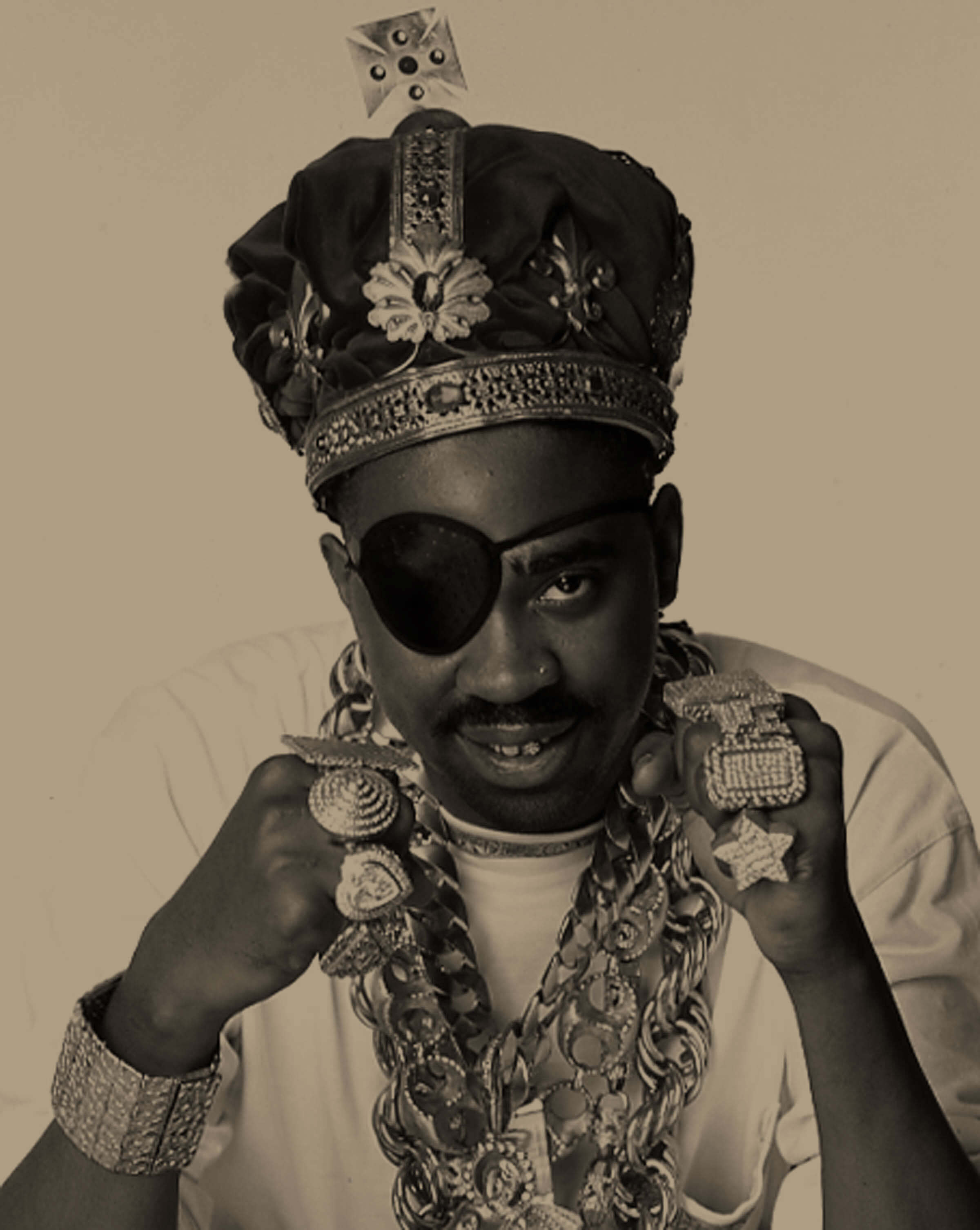
Slick Rick - The Album, The Legend, The Legacy

Related article - Uphorial Podcast
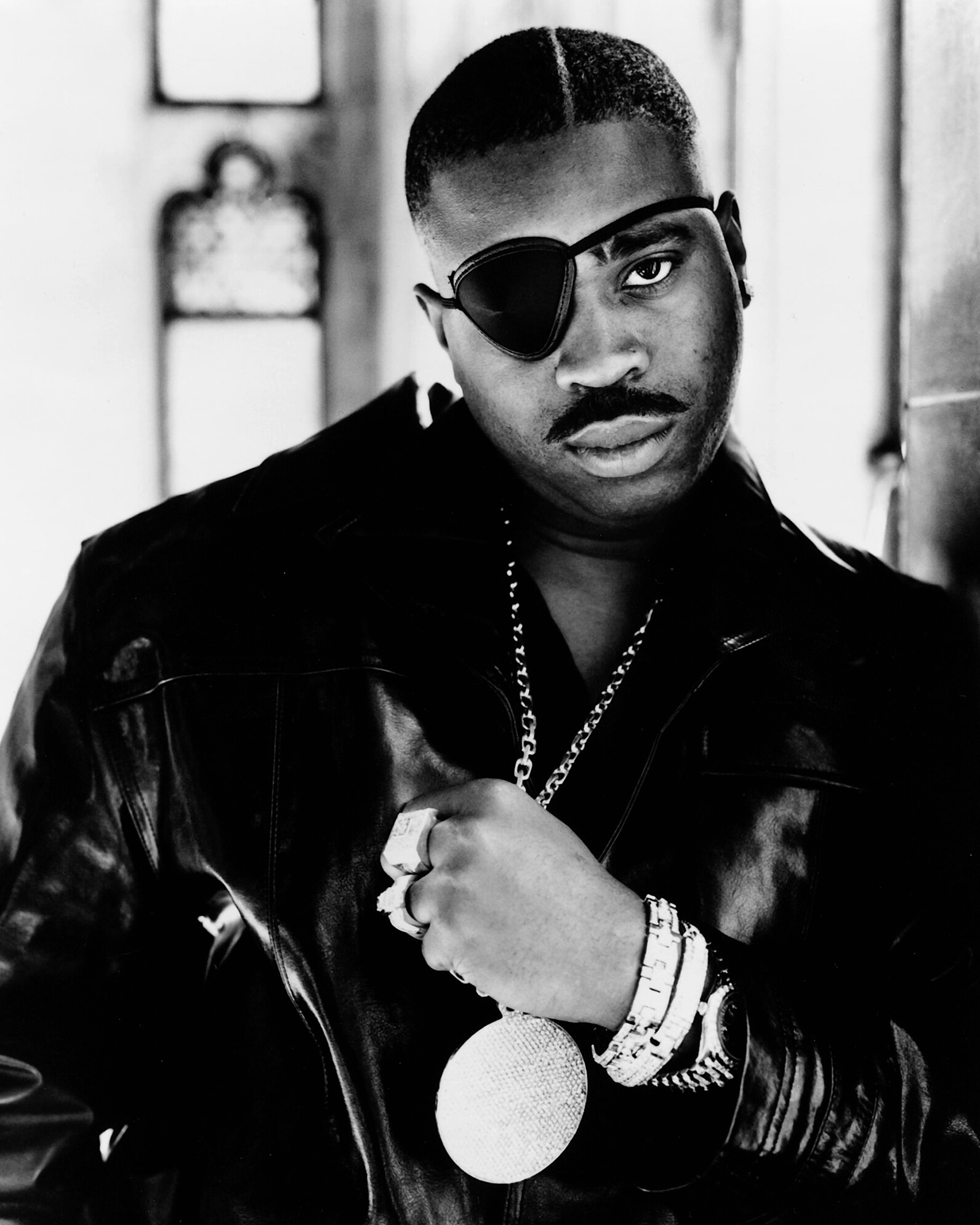
By 1985, Rick had joined Doug E. Fresh and the Get Fresh Crew, and with tracks like “La Di Da Di,” he broke through. His debut solo album, The Great Adventures of Slick Rick (1988), was more than a success; it was a cultural moment. Songs like “Mona Lisa” and “Children’s Story” didn’t just top charts—they were studied, quoted, and replayed across generations. He wasn’t the loudest or the flashiest MC, but he had something even more dangerous—control. He controlled language, rhythm, and time. He made hip-hop listen.
But Rick's journey wasn't without derailments. Legal troubles led to a lengthy prison sentence in the '90s, and although he returned to the music scene, the industry had changed. The speed of the internet age didn’t always have time for nuanced storytelling or old-school flows. Still, Rick never bowed out. He became a legend quietly, influencing everyone from Nas and Jay-Z to Snoop Dogg and Nicki Minaj. His eye patch became an emblem. His voice? An echo through the verses of a thousand protégés.
Fast forward to 2025, and Slick Rick has once again stepped into the booth, this time with something to prove—not to the world, but to himself. His newly released album Slick Rick: Timeless Tongue (released June 2025) is not a desperate grasp at relevance, but rather a confident stride through his mythos. The album is everything the title suggests: smooth, witty, textured, and enduring. With features from Kendrick Lamar, Rapsody, and a surprise verse from André 3000, Rick weaves between eras without effort.
In “Reflections in Gold,” he talks about aging in hip-hop with the grace of a griot, while “Children’s Legacy” reimagines his 1988 hit as a parable for the internet generation. The production is modern—crafted by the likes of Hit-Boy, 9th Wonder, and even a subtle touch from Metro Boomin—but Rick's voice remains the anchor. His storytelling is as layered as ever, only now it’s laced with wisdom that can’t be faked or fast-tracked. And what’s most fascinating is how the world is listening again. Gen Z TikTokers have revived “La Di Da Di” into a viral soundbite, and critics are calling Timeless Tongue a masterclass in narrative rap. For Rick, who was awarded the Grammy Lifetime Achievement Award in early 2025, this isn’t a comeback. This is a coronation.
In a music world dominated by flash and algorithms, Slick Rick stands as a monument to patience, elegance, and authenticity. He isn’t chasing trends—he’s reminding us where the genre came from and showing us where it can still go. His artistry isn't defined by one moment, but by a consistent thread of imagination that has stitched itself through decades. Slick Rick has never needed to scream to be heard. He speaks, and the beat listens. The world, once again, follows. And in the quiet power of his new album, the message is clear: legends don’t fade—they just find new ways to rhyme.