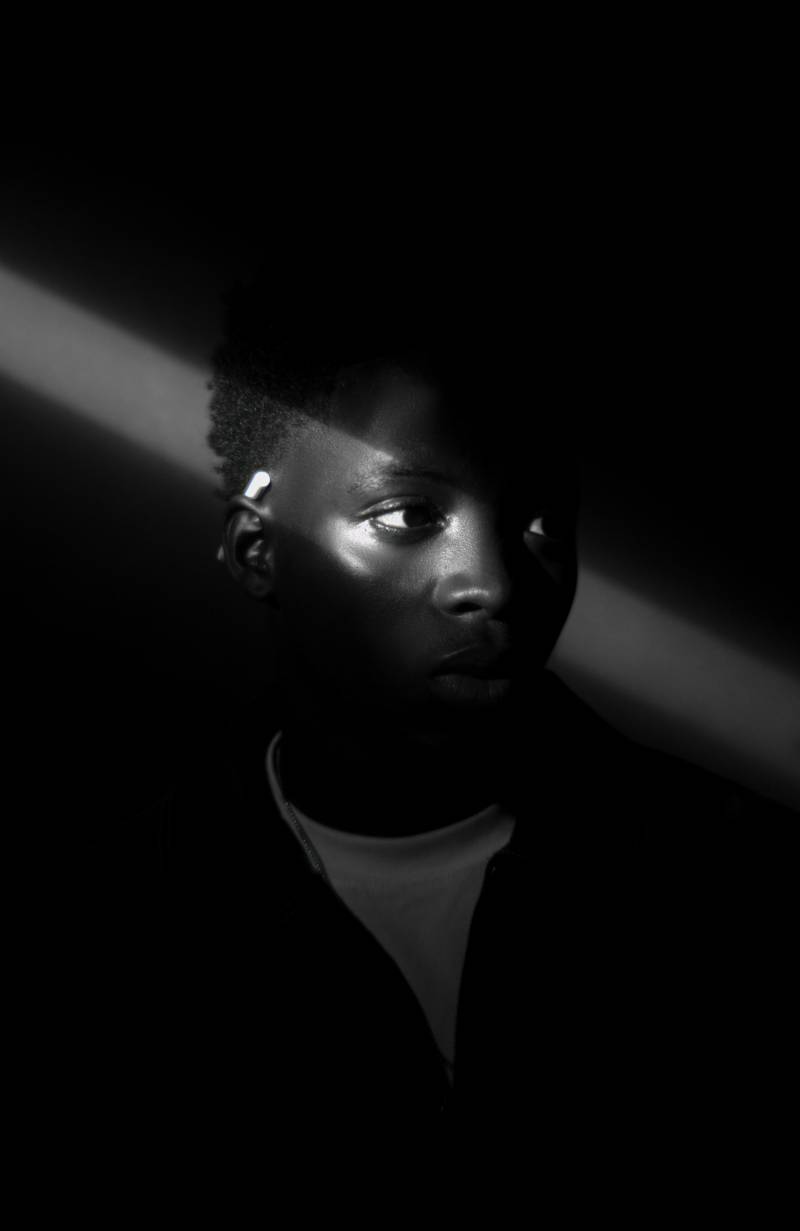
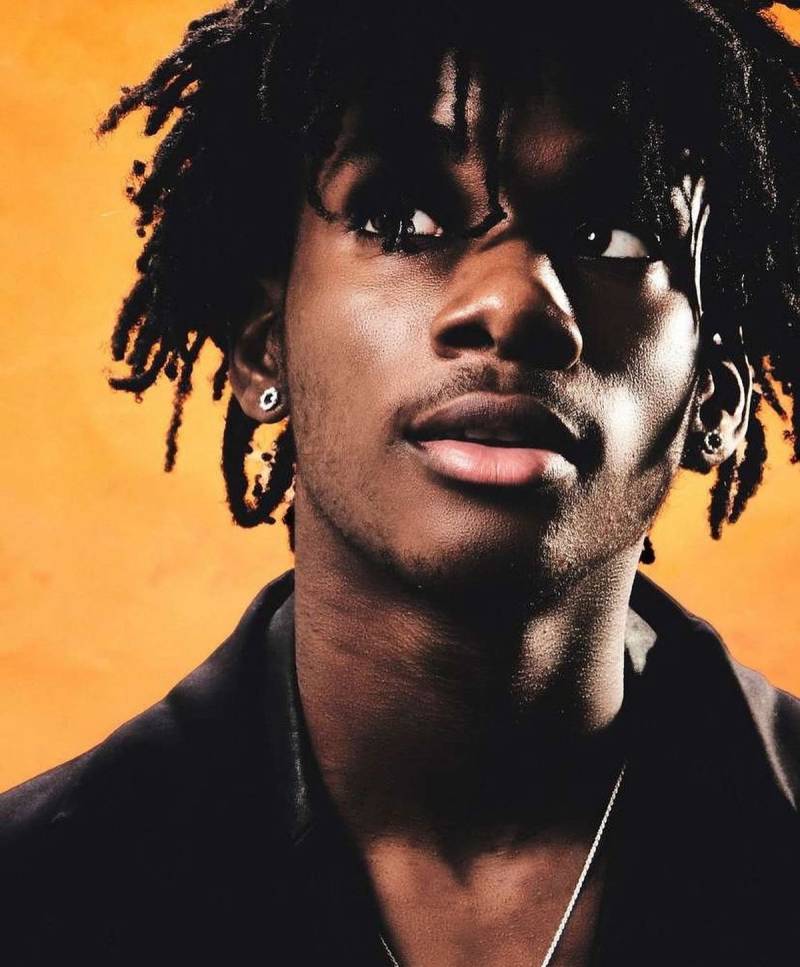
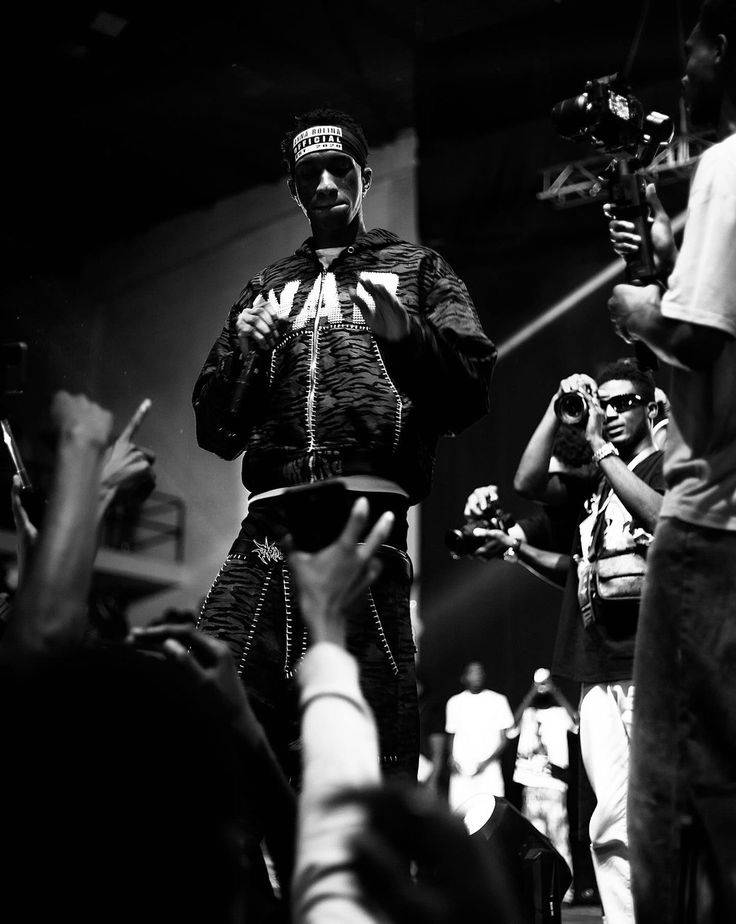
LONDON – The release of Olaolu Slawn’s Not An Artist represents a seismic shift in the Nigerian creative economy, signaling the end of the era where an artist must be defined by a single medium. By transforming the Saatchi Yates gallery into a recording hub, Slawn effectively exported the raw, chaotic energy of the Lagos "Alté" scene directly into the heart of the London art world. This event proved that the Nigerian cultural footprint is no longer just about the music itself, but about the "curator" as a mastermind who can orchestrate global talent.
The project’s impact is most visible in how it dismantled the traditional Nigerian "frontman" hierarchy. Typically, the industry orbits around a lead singer, but Slawn—who notably does not perform a single verse—shifted the focus to executive vision. Music critic Tobi Oke noted that Slawn isn't trying to be a musician but is instead "directing a vibe," which offers a new green light for Nigerian creatives to move beyond their designated lanes. Slawn himself reinforced this during his residency, famously stating, "I’m not an artist, I’m a problem," a mantra that has since been adopted by a generation of young Nigerians who refuse to be boxed into categories like "painter" or "designer."

SLAWN - NOT AN ARTIST ALBUM
Related article - Uphorial Shopify
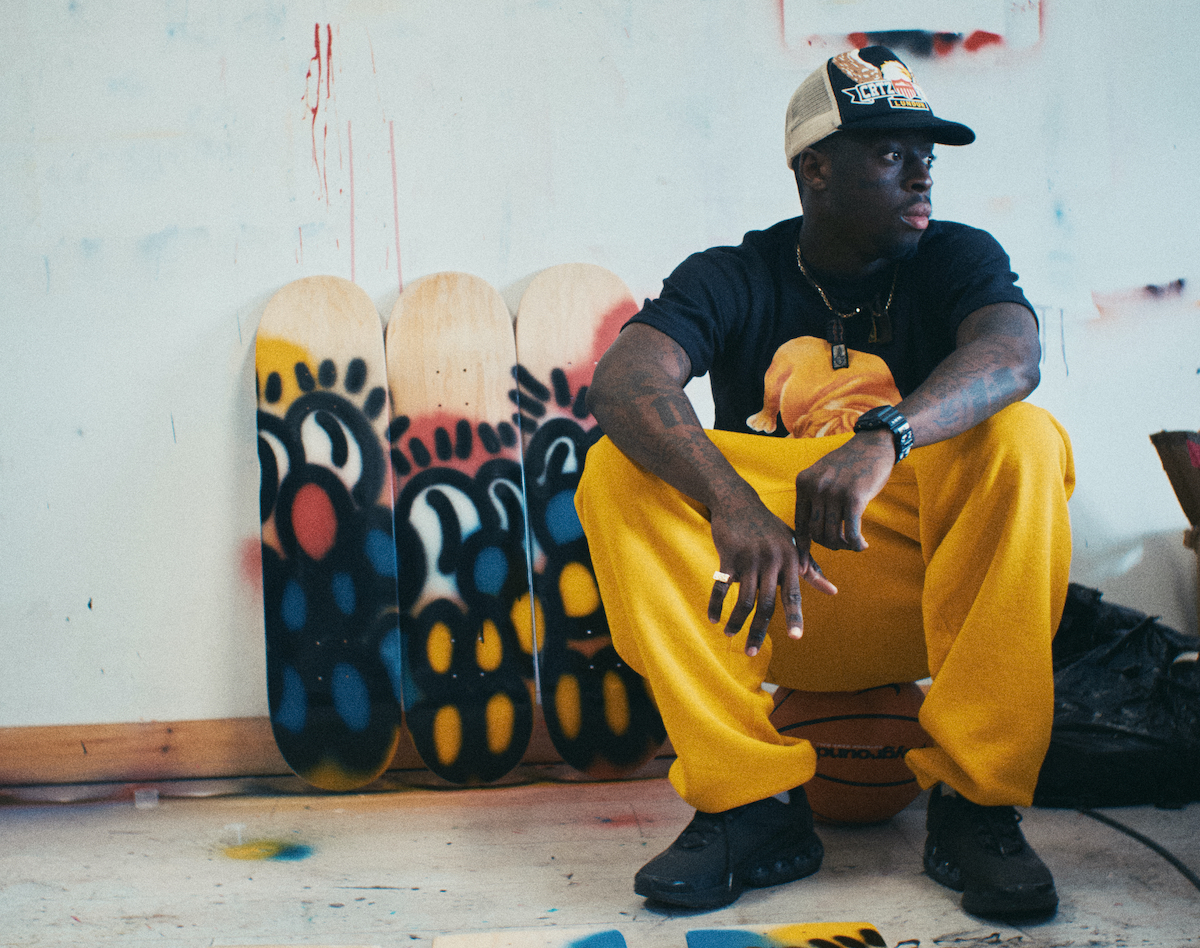
The sonic diversity of the 17-track project, executive produced by Arthur Bean, also challenged the hegemony of the standard Afrobeats formula. By blending Trap, Drill, and experimental sounds from artists like Obongjayar and Blackhaine, the album forced the Nigerian industry to acknowledge a "London-Lagos" axis that is grittier and more avant-garde than radio-friendly hits. The Native Magazine described the sound as the "sonic equivalent of Slawn’s spray paint," capturing the frantic, unpolished reality of being young and Nigerian in a globalized world.
Ultimately, the impact of this event lies in the "residency" model of creation. By recording live in front of an audience, Slawn broke the "black box" of music production, a move that is already sparking conversations in Lagos about making music more experiential and less transactional. The project concludes as a successful cultural heist; it proves that for the modern Nigerian creative, the goal is no longer just to participate in global spaces, but to take them over through sheer force of personality and collaborative genius.