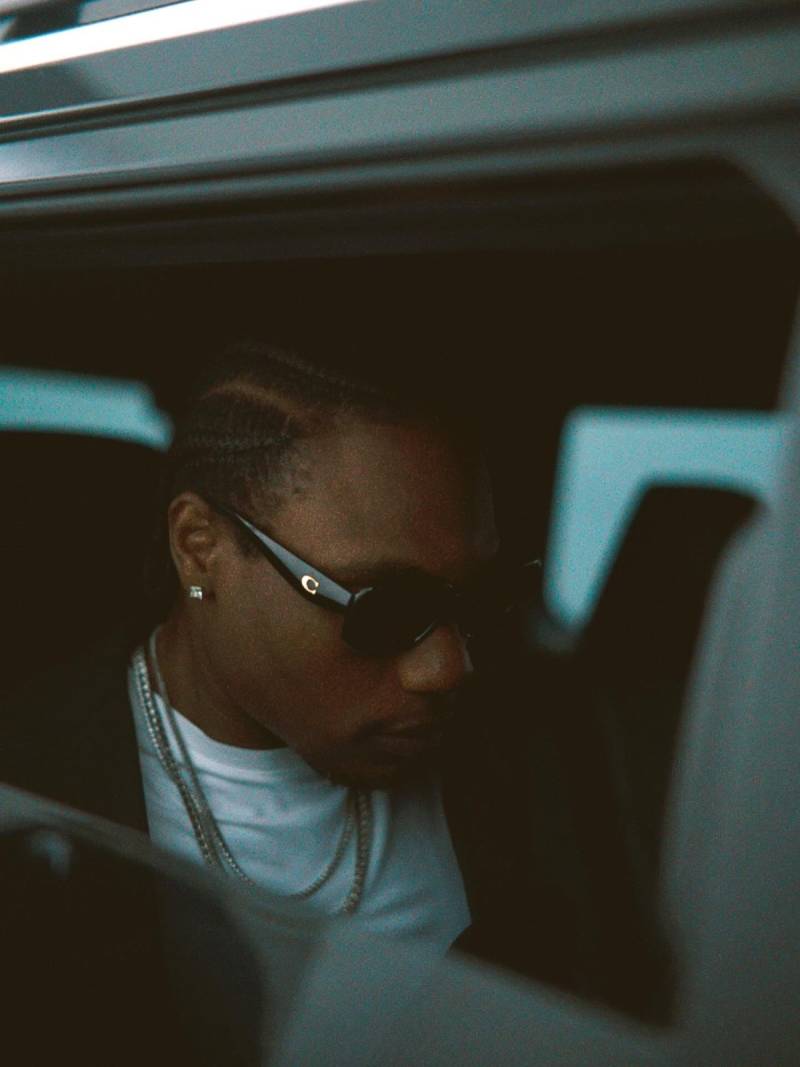
Skillibeng's strategic pivot toward Afrobeats collaborations represents a tactical mindset shift aimed at infiltrating and owning the global music stage. By engineering high-profile "crossover" moments with dominant Afrobeats artists, Skillibeng is successfully diversifying dancehall's traditional sound and positioning himself as part of the infrastructure of a new global soundscape that includes Afrobeats and Afropop. Skillibeng's move toward Afrobeats is not an abandonment of dancehall but an evolution designed for the current cross-continental music economy. Instead of being a mere guest feature, Skillibeng is becoming an integral part of the global Afrobeats sound, charting alongside the genre's biggest names. While dancehall has faced internal fragmentation and a resistance to marketing itself internationally, Afrobeats has been "built for export" through polished visuals and structured international collaborations. Strategic alliances with Afrobeats help reassert Jamaican music's relevance against newer hybrids like reggaeton and Afro-trap. Skillibeng has secured several chart-topping hits through these strategic partnerships:

"Shake It to the Max (FLY) Remix": A collaboration with MOLIY, Silent Addy, and Shenseea that ruled Billboard's 2025 year-end U.S. Afrobeats Songs chart. It spent 27 non-consecutive weeks at No. 1 on the U.S. Afrobeats chart and received a Platinum certification in France."Getting Paid": Produced by Sarz and featuring Afrobeats heavyweights Asake and Wizkid, this track blends Afrobeats, dancehall, and contemporary pop.
"Jump": A collaboration with Tyla and Gunna, featured on Tyla's self-titled album. It debuted at No. 6 on Billboard's U.S. Afrobeats Songs chart and marked Skillibeng's debut on the Hot R&B Songs chart at No. 14.
"Slip N Slide": A 2022 collaboration with Wizkid and Shenseea that remains a top-streaming track for Skillibeng in 2025.
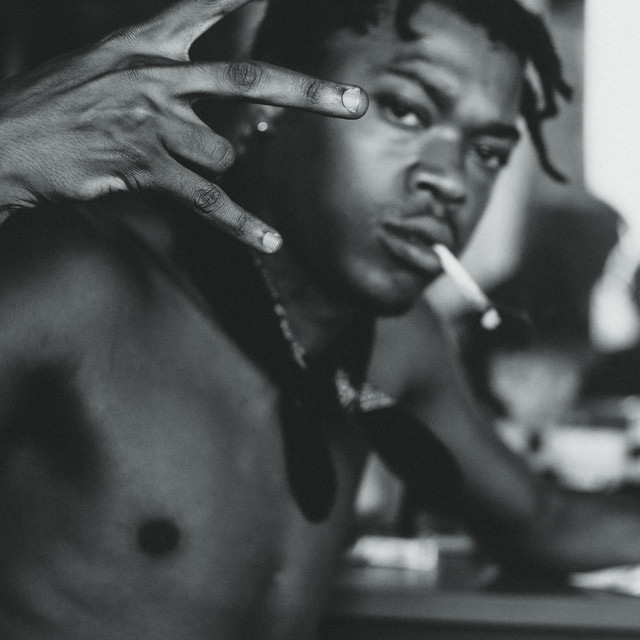
Skillibeng's strategic shift has translated into significant commercial and industry success:s of October 2025, Skillibeng's catalog has surpassed 1 billion total streams on Spotify, with over 15 million monthly listeners. These billion streams are estimated to translate into US$2.8 million to $4 million in revenue before label deductions. These billion streams are estimated to translate into US$2.8 million to $4 million in revenue before label deductions. Following the success of tracks like "Crocodile Teeth" and "Badman," Skillibeng secured a record deal with RCA Records and EastSyde Records. His rising global profile has increased his booking fee, with corporate events or performances starting in the range of $40,000–$74,999.