Beneath the bustling streets of Rome, a city known for its ancient ruins, majestic fountains, and timeless history, lies a hidden world few have ever glimpsed: a labyrinth of tunnels and chambers that tell stories far older than the Coliseum’s roar or the Vatican’s solemn prayers. This secret underground city, buried beneath centuries of civilization, is not just a marvel of engineering but a silent witness to Rome’s layered past, its resilience, and the mysteries that continue to captivate explorers and historians alike.
Rome’s secret tunnels are far more than forgotten corridors; they are veins of history pulsating under the surface, linking epochs and empires in ways that reveal the city’s true complexity. These passages, carved through stone and earth, have borne witness to empire-building, religious rituals, war, and escape. They invite us to rethink what we know about Rome, not just as the “Eternal City” above ground but as a living, breathing organism with roots that twist and sprawl deep underground.

Related article - Uphorial Podcast
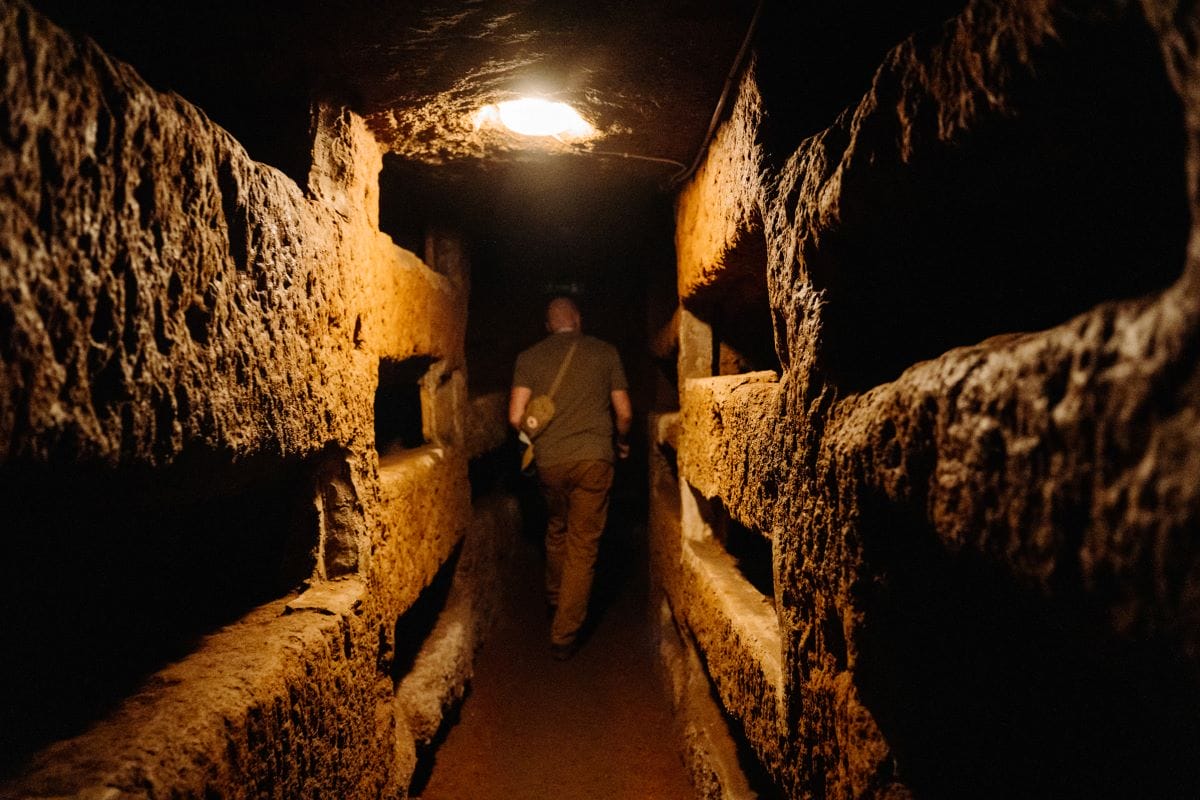
The fascination with these tunnels goes beyond the mere physicality of stone and mortar. It’s about connecting with the invisible threads that bind the past to the present. How did such a city evolve? What stories linger in these shadowed halls? Recent explorations have peeled back the layers of dust and secrecy to reveal that these tunnels were once strategic lifelines — used to move armies unseen, hide treasures, and protect the powerful during times of upheaval. In some ways, they are Rome’s silent defenders, sheltering not just people but secrets that could reshape how we understand history. One of the most striking aspects of this underground city is its sheer scale and diversity. While some tunnels lead to grand, vaulted chambers adorned with frescoes and intricate mosaics, others are narrow, claustrophobic passageways that challenge modern adventurers. Each turn seems to whisper tales of intrigue, a senator escaping an assassination plot, early Christians seeking refuge from persecution, or even medieval architects who adapted ancient ruins for their mysterious uses.
Modern technology has breathed new life into these subterranean passages. Laser scanning and ground-penetrating radar now allow archaeologists to map the tunnels in astonishing detail, uncovering sections lost to time or rubble. Recent discoveries have even hinted at a vast network of previously unknown chambers, fueling speculation about what else Rome might be hiding beneath its iconic skyline. But beyond the allure of excavation and discovery lies a deeper narrative, one about the relationship between the city’s visible grandeur and its hidden underbelly. Rome teaches us that history isn’t just a surface story, easily read in statues or grand buildings. It’s complex, layered, and sometimes buried waiting for those brave enough to explore beyond the obvious.
This hidden city also challenges us to consider the duality of human achievement: the bright lights of civilization and the shadows where secrets hide. For Rome, the tunnels are a metaphor for the city itself, a place where glory and mystery coexist. They remind us that every city, no matter how modern or ancient, holds depths beyond first impressions. In a world increasingly dominated by digital narratives and virtual tours, Rome’s tunnels offer a tangible, tactile connection to the past. Walking through these subterranean corridors, one can almost hear the echoes of footsteps from centuries ago, feel the cool dampness of stone walls that have stood through the rise and fall of empires, and sense the pulse of a city that refuses to be fully understood.
The latest explorations in Rome’s underground have sparked renewed interest in preserving these fragile treasures. Conservation efforts are underway to protect the tunnels from decay and the impact of modern urban life above. These efforts underscore a growing recognition: that to truly honor Rome’s history, we must look down as well as up, not just admire its skyline, but cherish what lies beneath. Ultimately, Rome’s secret tunnel city is more than an archaeological curiosity. It’s a living story, a hidden heartbeat beneath a city that has shaped much of Western civilization. It invites us to look beyond the familiar, to embrace mystery, and to remember that sometimes, the greatest journeys are those taken below the surface, into the unknown, into the past, and into the very soul of a city that never truly sleeps.