The midsummer stretch of a Major League Baseball season is traditionally a grueling test of depth and psychological endurance, a period where teams either succumb to the weight of the calendar or begin to forge a distinct identity. On the night of July 8, 2026, the Boston Red Sox firmly chose the path of reinvention, delivering a clinical 5-0 shutout victory over the Chicago White Sox. The win did more than just secure a crucial road series victory; it extended Boston's winning streak to five games and pulled their interim manager, Chad Tracy, above the .500 threshold with a 32-31 record. In a campaign that began under a cloud of organizational transition, this performance served as a definitive narrative pivot—a demonstration of fundamental, complementary baseball that suggested a team finally aligning its execution with its postseason ambitions.
At the absolute center of this triumph was a pitching masterpiece orchestrated by Jake Bennett. Taking the mound with the quiet confidence of a frontline starter, Bennett completely neutralized a dangerous, if volatile, Chicago lineup over seven masterful innings. His line on the night—four hits, one walk, and zero runs—masks the sheer tactical intelligence of his approach. Bennett did not rely on overwhelming velocity to survive; instead, he engaged in a sophisticated game of structural chess, keeping hitters perpetually off-balance by attacking the edges of the strike zone and inducing weak contact when the situation demanded it. It was the kind of anchoring performance that settles a dugout, providing the emotional security necessary for the rest of the roster to operate without fear of failure.

Related article - Uphorial Shopify
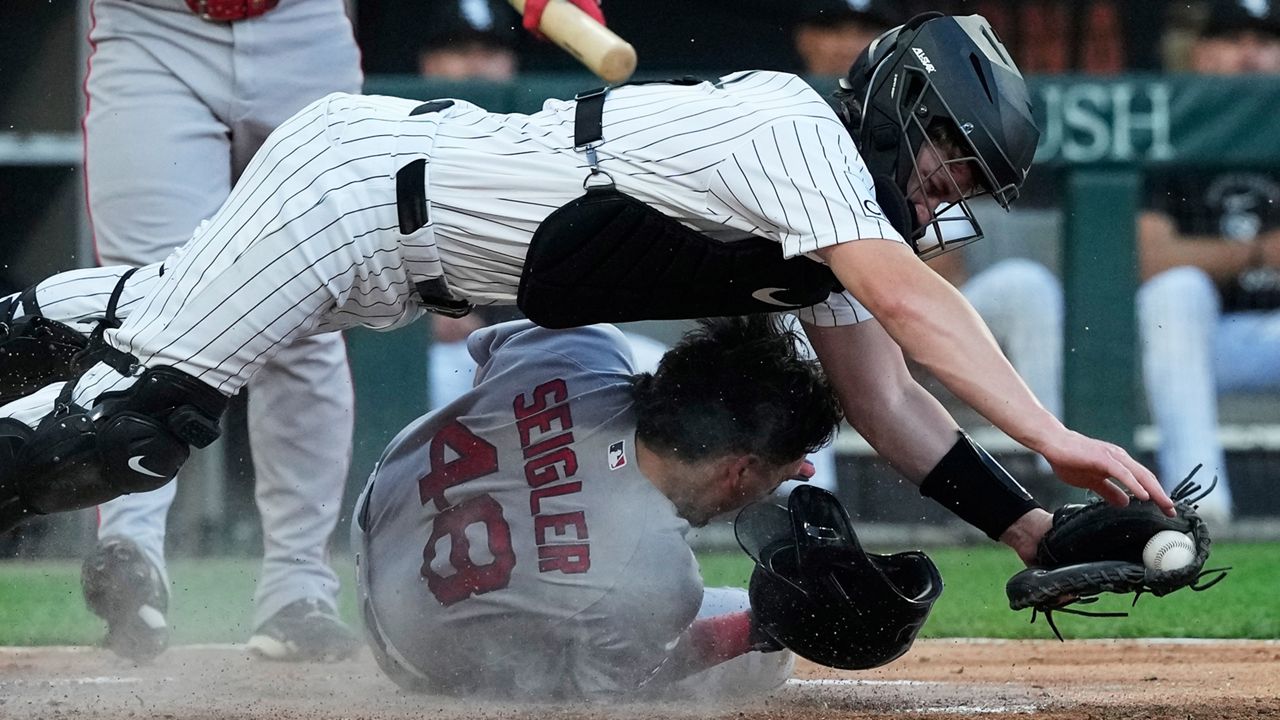
This defensive and pitching stability allowed the Boston offense to showcase a style of play that has become a hallmark of Tracy’s tenure: the art of calculated, situational execution. Rather than waiting for a singular, explosive home run to break the game open, the Red Sox systematically manufactured their advantage, treating each baseline and each out as a precious commodity. The tactical discipline was epitomized by Carlos Narvaez, who executed a flawless sacrifice bunt at a critical juncture to advance runners and tilt the spatial dynamics of the inning in Boston's favor. That selfless fundamental play paved the way for the game’s decisive blows—timely, high-leverage RBI hits from Sun Chang and Son Raphaela that punctured the Chicago defense and rewarded Bennett’s brilliance on the mound with a sustainable cushion.
The visual harmony of the evening was further underscored by an immaculate defensive display behind Bennett, proving that a shutout is rarely the work of a single arm. The psychological backbreaker for Chicago arrived in the bottom of the sixth inning, when a burgeoning rally was instantly erased by a perfectly synchronized 5-4-3 double play. Throughout the night, the hot corner became a fortress, as Durban put on an absolute clinic at third base, routinely robbing Chicago hitters of extra-base hits with several spectacular, high-degree-of-difficulty plays. This defensive tightness created a palpable sense of inevitability inside the stadium, frustrating the home side and starving their offense of the oxygen required to mount a serious counter-attack.

Conversely, the game offered a stark, sobering reminder of the emotional fragility inherent to professional sports during the fourth inning. White Sox catcher Wilson Contreras, a vital emotional and tactical pillar for his ball club, was forced to leave the contest prematurely due to an unexpected injury. The departure of an elite backcatcher does more than alter a team's defensive metrics; it disrupts the subtle, unseen communication between the pitcher and the plate, creating a psychological vacuum that Chicago struggled to fill for the remainder of the evening. It was a moment of stark misfortune that stood in sharp contrast to Boston’s fluid, uninterrupted momentum.
When the final out was recorded, the scoreboard told a story of complete domination, but the true value of the night lay in its transformational framing of the Red Sox's season. A five-game winning streak in July is a testament to sustainable culture rather than simple luck. By bringing Chad Tracy’s managerial record to 32-31, this victory marked the symbolic transition of the Red Sox from a club navigating internal upheaval to a disciplined, dangerous competitor capable of dictating terms on the road. The strategic storytelling of the game—from Bennett’s masterclass to the defensive gems of Durban and the precise situational hitting of Chang and Raphaela—paints a picture of a collective that has accepted its roles and embraced the grind. As the team packs its bags to look toward the next challenge, they do so with the profound knowledge that their current success is built not on fleeting moments of individual brilliance, but on an unyielding commitment to the collective process.