PUSKAS ARENA – The grand tapestry of European football is woven from moments of brilliance, tension, and the unforgiving nature of finality. On the evening of May 30, 2026, at the Puskás Aréna in Budapest, the world’s gaze was fixed on a collision between two titans of the modern game: Arsenal and Paris Saint-Germain. What unfolded under the floodlights was not merely a match, but a test of endurance, nerve, and the thin, cruel margin that separates the agony of defeat from the ecstasy of eternal glory.
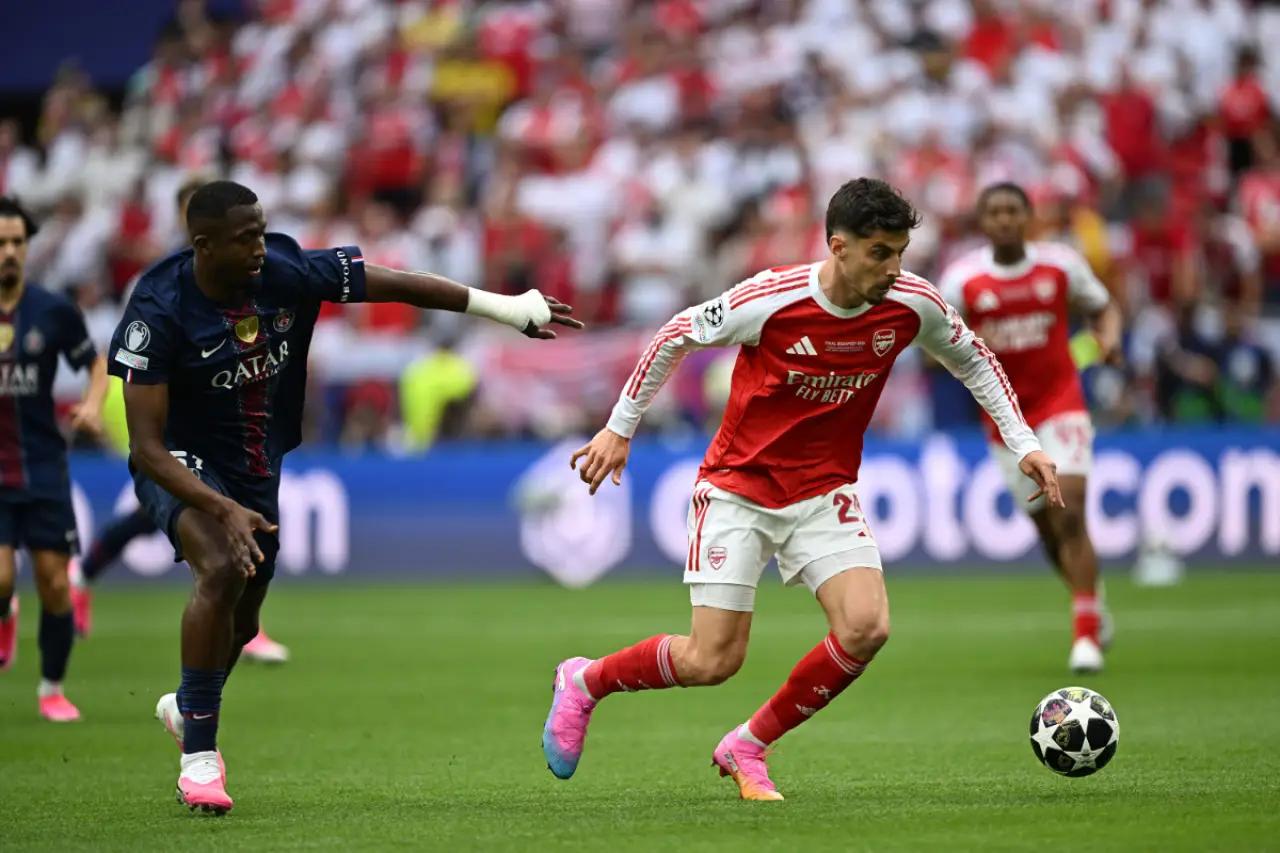
The opening minutes offered a masterclass in intent. Arsenal, surging forward with the weight of expectation, silenced the Parisian contingent early. Just five minutes into the proceedings, a fluid attacking sequence saw Leandro Trossard thread a precise ball into the half-space, finding Kai Havertz. With the clinical efficiency that defines a true marksman, Havertz hammered a left-footed strike high into the top corner, establishing an early 1-0 lead that sent shockwaves through the Puskás Aréna. For the Gunners, it was the dream start—a crystallization of their tactical preparation and the realization of a goal that had animated their entire European campaign.
Related article - Uphorial Shopify
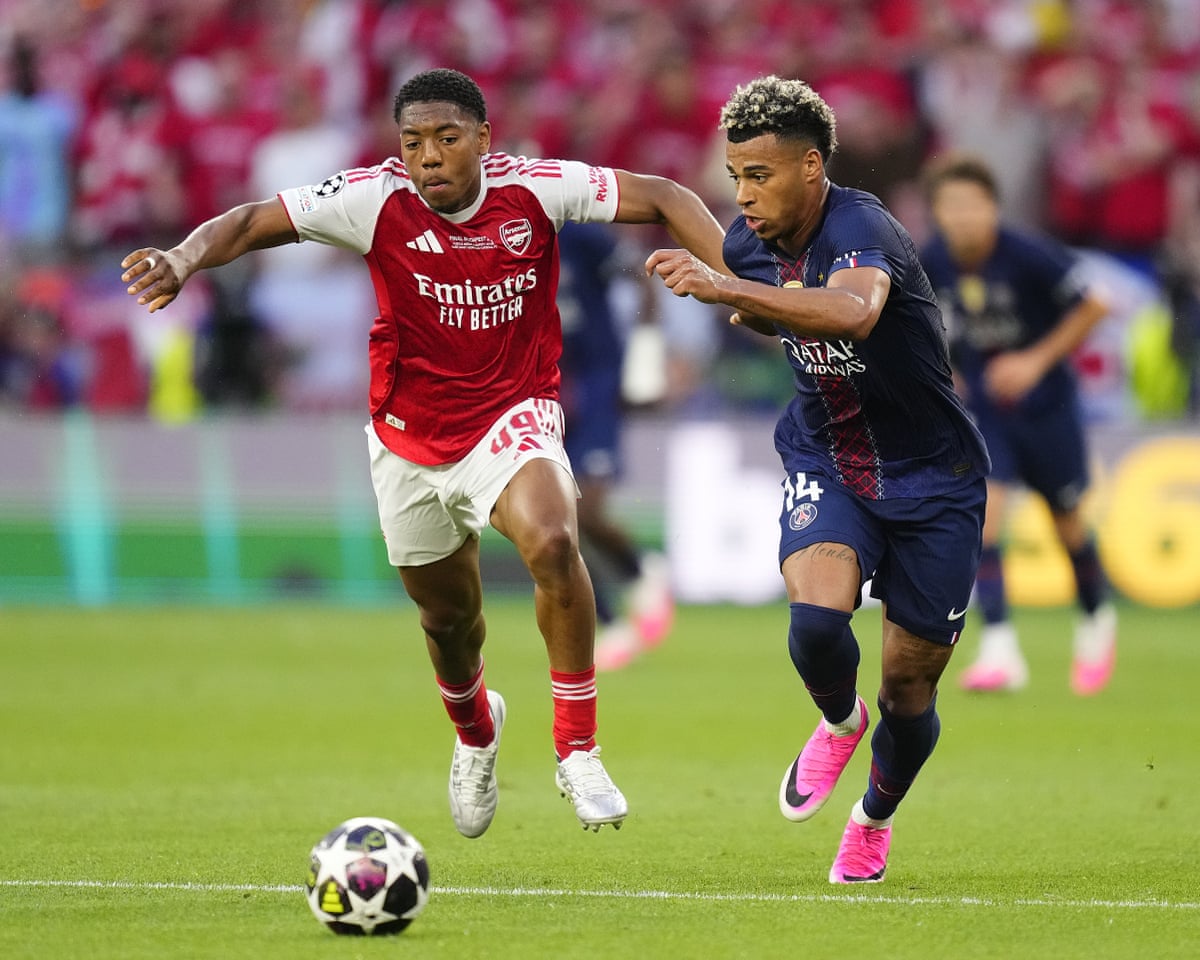
However, football is rarely a linear story of dominance; it is a game of shifting sands. As the first half waned, the narrative began to pivot. Paris Saint-Germain, refusing to be defined by an early setback, began to monopolize possession, orchestrating a relentless offensive wave. Their tactical patience was underpinned by the creative freedom of Ousmane Dembélé and the persistent threat of Khvicha Kvaratskhelia. Arsenal, forced onto the back foot, transformed their approach, shifting from their aggressive pursuit to a display of defensive structural fortitude. They absorbed the pressure, their backline anchored by the grit of William Saliba and Gabriel Magalhães, holding firm as the halftime whistle blew with their slender advantage intact.

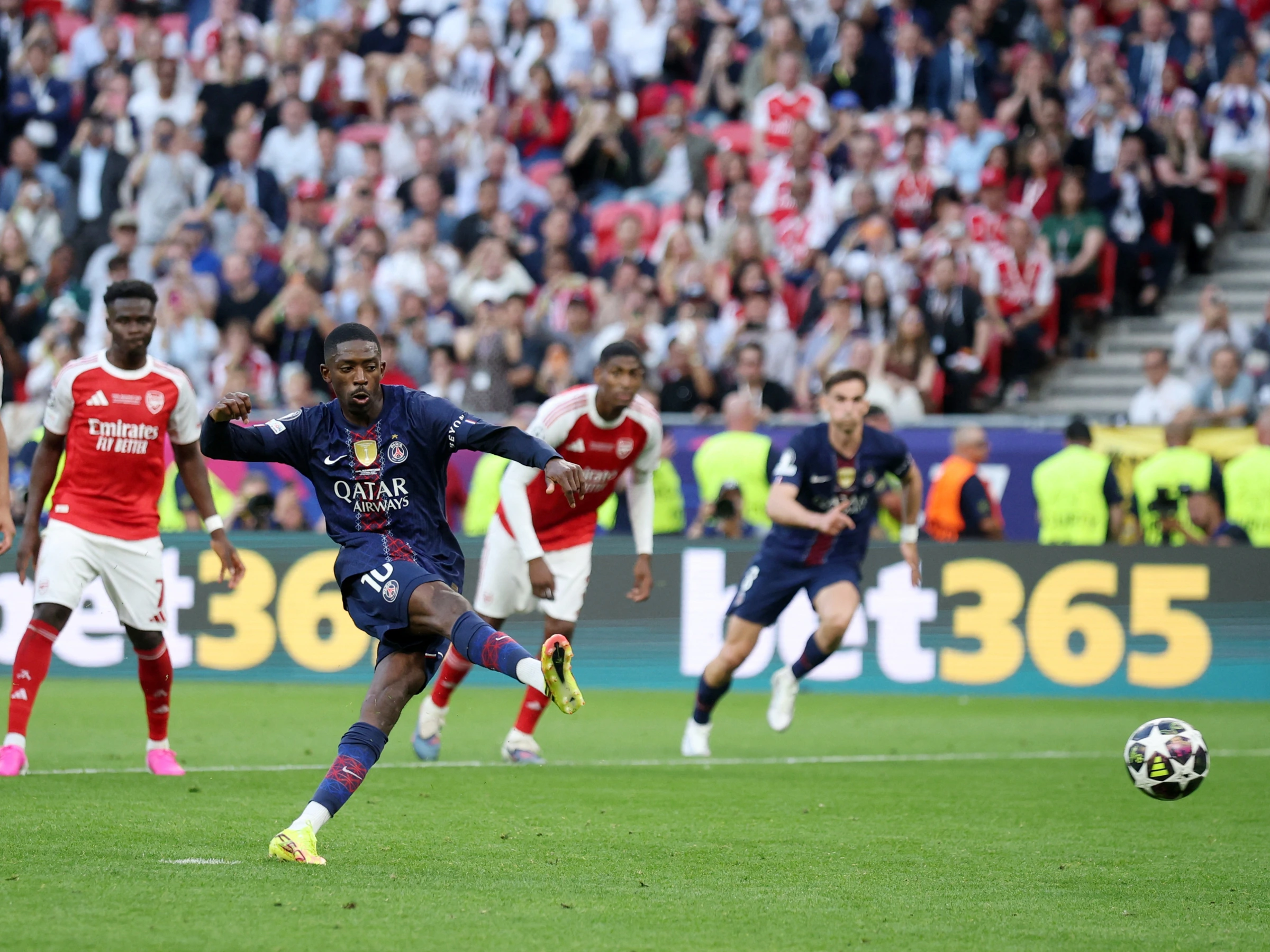
The second half returned with an even greater sense of urgency. The pressure finally yielded the breakthrough PSG craved in the 64th minute. After an intense review confirmed a foul on Kvaratskhelia inside the penalty area, the responsibility fell to Ousmane Dembélé. Under the weight of a continent's expectations, the Frenchman demonstrated remarkable composure, dispatching a low, precise finish into the bottom-left corner. The equalizer leveled the score at 1-1, and with it, the match descended into a high-stakes chess match of fatigue and tactical caution. Both sides, wary of committing the fatal error, navigated the remaining minutes of regulation and the grueling periods of extra time with heightened intensity, neither able to manufacture the decisive blow needed to avert the inevitability of the shootout. As the match moved to penalties, the Puskás Aréna felt suspended in time. The shootout became an exercise in emotional precision—a raw, unscripted display of character where every heartbeat seemed audible. Each player who stepped up to the spot carried the silent hopes of their respective fanbases. The sequence of strikes was a harrowing back-and-forth; goals were traded, nerves were frayed, and the lead swung with every touch of the ball.
The turning point emerged in the final moments of the sequence. As the tension reached its zenith, it was Arsenal’s Gabriel Magalhães who faced the daunting task of extending the shootout. In a moment of devastating finality, his attempt failed to find the net, handing the advantage to the French side. The final score—a 4-3 victory for Paris Saint-Germain in the shootout—cemented their title as champions of Europe. For Arsenal, the night ended in the quiet, collective heartbreak of the runner-up, a performance of immense heart met with a result that will haunt the memory of the season. For Paris Saint-Germain, it was a confirmation of their status as an enduring European power, a resilient side that refused to buckle when the deficit seemed insurmountable. The 2026 final will be remembered not just for the scoreline, but for the profound human story etched into every minute of that contest—a reminder that in the arena of the elite, the difference between immortality and memory is found in the final, deciding second.