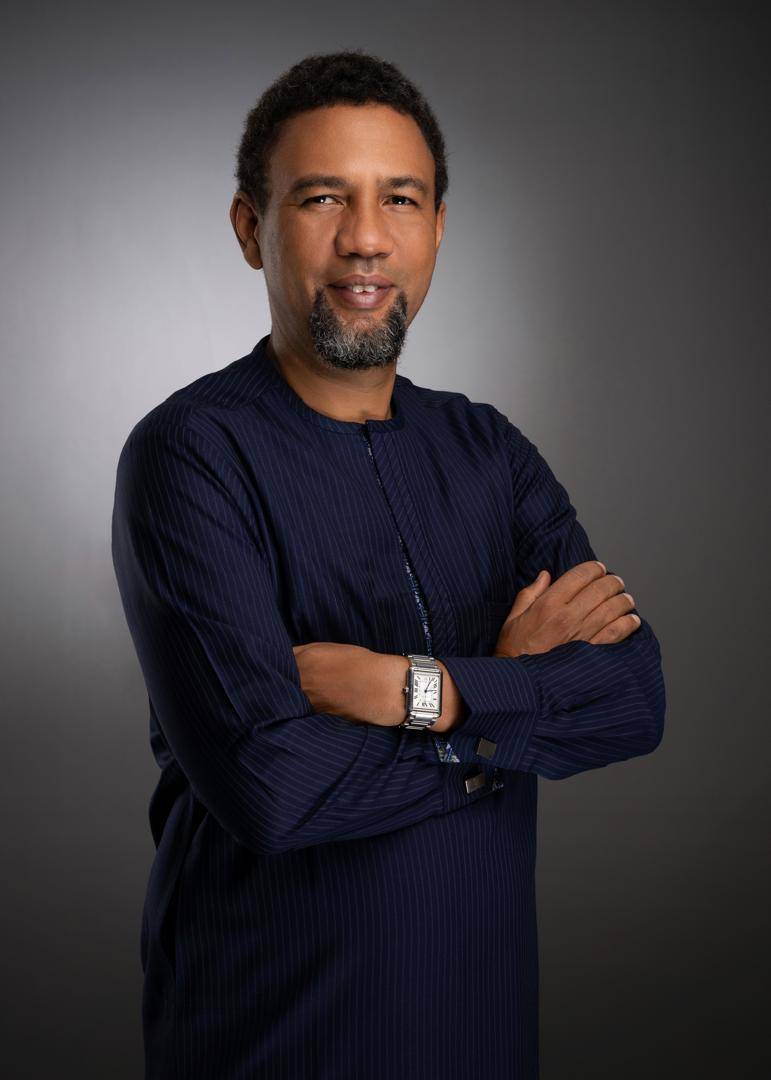
The “Nepo baby” debate just got deeper. Co-founder Solomon joined Elijah in dissecting not just celebrity-born privilege, but the rise of the “Lapo baby”—those quietly backed by generational wealth and elite networks. His take? Both forms of advantage distort how we define talent and success, and it’s time we acknowledge the full spectrum of privilege. The conversation, which stemmed from backlash surrounding a book by a "second-generation person of influence" from the Otedola family titled "Making It Big," questioned whether individuals with privileged backgrounds truly grasp the essence of building an enterprise from the ground up.
Elijah initiated the discussion by noting the public sentiment that "one's background doesn't necessarily mean one understands what it takes to build an enterprise," suggesting that many view privileged individuals as "like the enemy." Solomon, however, posited that such perceptions often stem from a lack of "economically or financially literate" understanding among "people in this part of the world". The core of the debate, as highlighted by Elijah, revolves around the question: "Can [the entrepreneurial] spirit really be birthed from someone that people call a nepo baby, or is it suffering that can really birth that grind?".
Solomon argued that understanding what it takes to build an enterprise and having opportunities are "disconnected". He presented contrasting figures, such as Femi Otedola (a "nepo baby") and Tony Elumelu (not a "nepo baby"), both of whom have achieved significant success in Africa. He emphasized that the critical factor for success is a "mindset of understanding wealth creation and building from Africa," rather than an individual's background. Solomon countered the argument that some are "born at the finish line" while others "will never be in the race" due to poverty by asserting that "everyone has what they can leverage to succeed," akin to the biblical parable of talents. He echoed a sentiment attributed to Bill Gates (though not confirmed as his direct quote), "if you are born poor, it's not your fault, but if you die poor, it's your choice," advocating for individuals to "maximize their own opportunities" and become "a contribution to society".

Related article - Uphorial Radio

The conversation then delved into the unique challenges faced by those from privileged backgrounds. Elijah noted that "there is more incentive for them not to try to... build or... venture because you have everything sorted out for you". He cited Aliko Dangote, Africa's richest black man, as a prime example, suggesting Dangote "would have been Gucci" simply managing his uncle's enterprises, yet he chose to venture into trading, cement manufacturing, and petroleum products, demonstrating an unparalleled commitment to building in Nigeria. While acknowledging criticisms that Dangote is a "beneficiary of oligarchy" or favoritism, Elijah and Solomon defended his journey, asserting that many others had similar opportunities but lacked Dangote's "focus" and dedication to "contribute to different sectors in the Nigerian economy". They highlighted his significant impact, noting that because of Dangote Cement, Nigeria stopped importing cement, and with Dangote Refinery, the nation is moving towards self-sufficiency in petroleum products. Dangote's choice to invest billions within Nigeria rather than pursuing personal wealth abroad underscores his "obsession with contributing to Nigeria and Africa at large". Shifting to advice for young businesses, Solomon cautioned against solely pursuing "passion" without first checking "economic viability". He suggested finding "what's working and then develop passion for it," citing Dangote's strategic entry into cement and petroleum based on national impact and economic opportunity, rather than initial passion.
A pervasive theme throughout the discussion was the critical role of "storytelling" in shaping perceptions and fostering an entrepreneurial spirit in Africa. Elijah and Solomon lamented that the "African youth is forced to stream" and is "wasting our minds away from real business," partly because "the conversation of people building out there is not mainstream". They argued that Africa's "storytelling is not really good," contrasting it with India and Western nations that intentionally use movies, books, and podcasts to project positive narratives about technology, industry, and national resilience, even amidst challenges. They emphasized the need to "tell more of our stories" of those building from Africa, including "nepo babies" who have valuable lessons to share, to inspire the next generation to "dream and think". This intentional narrative, they argued, could lead to a "me too" effect, where young people are motivated to emulate successful enterprise builders rather than those engaged in unscrupulous means.
The conversation also touched on the dynamics of "partnership," with Solomon sharing that it has taught him that "by myself I can't do much". He views partnership as choosing to "go slow but... go far," with key ingredients being "alignment of vision, alignment of values, and... alignment of lifestyle" along with clear "communication" and complementary strengths.
Looking ahead, Elijah, when asked about deploying a hypothetical $20 million fund, expressed an initial inclination towards "technology and media" but concluded that for true "national transformation and African transformation," the focus should shift to "infrastructure businesses" such as energy, healthcare, real estate, and advanced agriculture, which create jobs and distribute wealth on a larger scale. This would create the "backbone" for other industries, leading to a more prosperous ecosystem. Both speakers agreed on the urgent need for "more Dangotes" and a collective mindset for "value creation and wealth creation" in Africa. Solomon envisioned expanding Venture Valley into a "Bloomberg for Africa" tailored for Gen Z, dedicated to telling "enterprise stories" to educate and inspire. This selfless pursuit of documenting and promoting stories of African builders, they concluded, is essential to foster belief, motivation, and a shared vision for a thriving continent.