In the heart of West Africa, a transformation is unfolding that threatens to redraw the geopolitical map of the Sahel. Since seizing power in a 2022 coup, Captain Ibrahim Traoré has steered Burkina Faso toward a radical new identity, one rooted in the fiery anti-imperialism of the 1980s but shadowed by a modern, escalating security crisis. As the nation pivots away from its traditional Western alliances, specifically its former colonial ruler France, it has increasingly embraced Russia as a primary security partner. This shift is not merely a change in diplomatic strategy but a fundamental overhaul of the state, where the rhetoric of national sovereignty and "revolutionary" pride clashes daily with the brutal reality of a jihadist insurgency that continues to tighten its grip on the countryside.
The image Traoré projects to the world is one of a modern-day Thomas Sankara, the iconic Burkinabè revolutionary who was assassinated in 1987. By mirroring Sankara’s military fatigues, his red beret, and his uncompromising stance on resource nationalization, Traoré has tapped into a deep-seated desire for dignity among many in the capital, Ouagadougou. His administration has moved aggressively to reclaim the nation’s wealth, particularly its gold mines, arguing that the country’s natural riches must benefit the people rather than foreign corporations. To his supporters, this is the dawn of a new era of true independence; to his detractors, it is a populist shield designed to deflect from a deteriorating security landscape that the military government has struggled to contain.
While the government maintains a narrative of "reconquest" and stability, the statistics emerging from the region tell a far more harrowing story. Security experts and international monitors estimate that jihadist groups, including those affiliated with Al-Qaeda and the Islamic State, now control approximately 60% of Burkina Faso’s territory. The scale of the violence is staggering. In 2025 alone, there were over 1,200 verified terror attacks, resulting in more than 4,500 deaths. These figures represent a nation in the midst of an existential struggle, where the authority of the state often ends at the outskirts of the capital. Outside the "pocket of safety" that is Ouagadougou, the insurgency has displaced millions and severed vital supply lines, creating a humanitarian vacuum that the government appears unable to fill.

This discrepancy between official claims and the reality on the ground is maintained through a sophisticated and often ruthless control of information. The Traoré administration has fostered a climate where international reports of jihadist gains are frequently dismissed as foreign propaganda or "imperialist" attempts to destabilize the revolution. Journalists operating within the country face immense pressure and significant physical restrictions; many are denied permission to travel outside the capital, ensuring that the true extent of the conflict remains hidden from both the domestic public and the international community. The media is not merely monitored—it is harnessed as a tool for the state's survival.
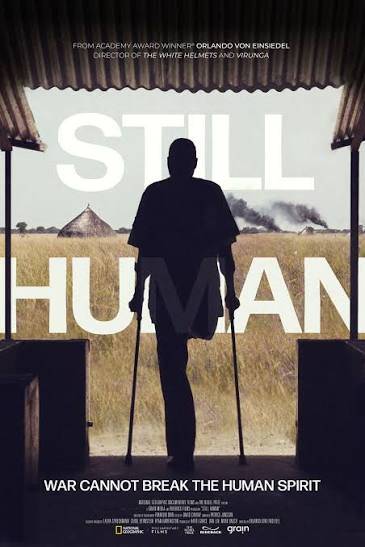
The tightening of control extends far beyond the airwaves and newsrooms. There is a perceptible narrowing of the space for internal freedom and democratic expression. The government has moved to dissolve political parties, effectively neutralizing formal opposition, and has implemented socially conservative policies, including the criminalization of homosexuality, which critics argue is a move to consolidate a specific nationalist identity. For those who dare to speak out, the consequences can be fatal. Reports of enforced disappearances have become increasingly common, and the documentary details the chilling case of a rally organizer who died in police custody. This atmosphere of fear has silenced many who might otherwise question the military's strategy or its mounting human rights record.
Life in Ouagadougou remains a study in contrasts. To a casual observer, the city appears vibrant and resilient, a bustling metropolis that seems insulated from the chaos of the borders. However, beneath the surface lies a pervasive sense of dread. Many residents live in crushing poverty, their economic struggles exacerbated by the isolation of the country and the costs of a prolonged war. The "fear of the spreading insurgency" is a constant, unspoken companion for the urban population. People watch the horizon, wondering when the violence that has swallowed sixty percent of their country will finally arrive at the city gates.
As Burkina Faso distances itself from France and embeds itself further within the Russian sphere of influence, the stakes for the Sahel region continue to rise. Traoré’s "Revolutionary" narrative offers a sense of pride to a population weary of decades of perceived Western interference, but that pride is currently being built on a foundation of restricted liberty and escalating bloodshed. The nation stands at a crossroads: one path leads toward the sovereign, self-sufficient state promised by the revolutionary rhetoric, while the other leads toward a fractured territory where the state exists in name only, and its citizens are left to navigate a landscape of fear, poverty, and perpetual war. For now, the red beret of the presidency remains the face of the nation, but the shadow of the insurgency continues to grow longer every day.