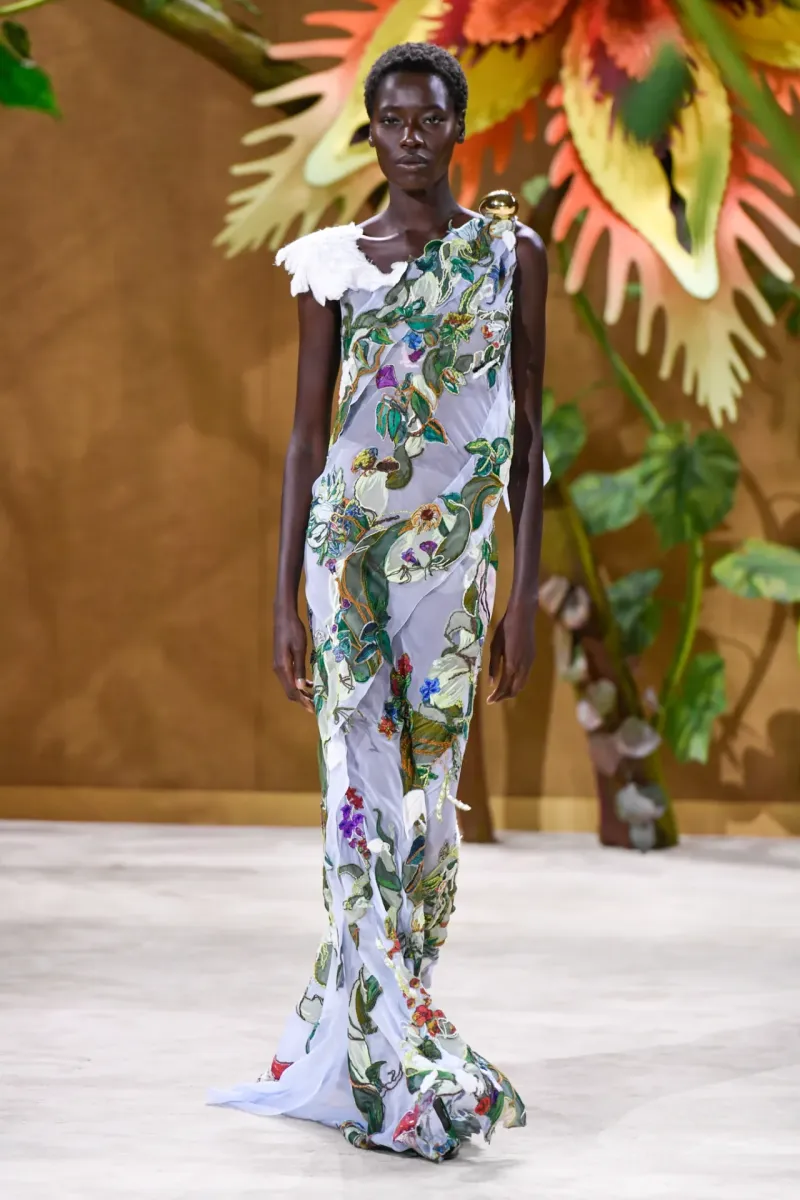
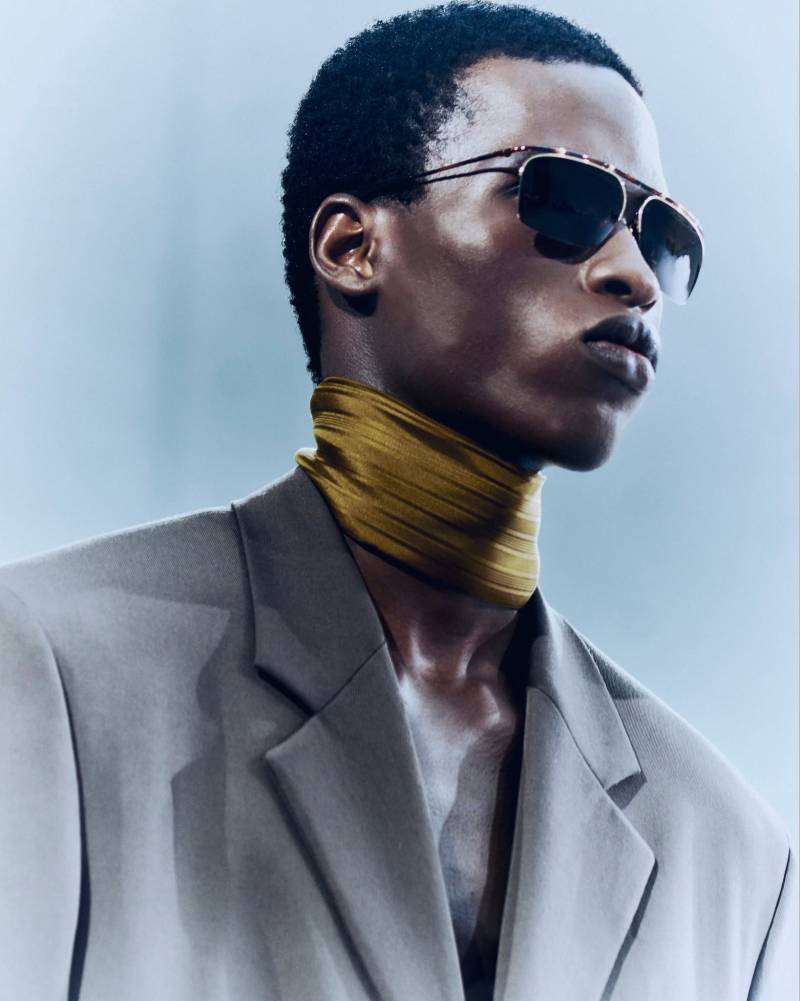
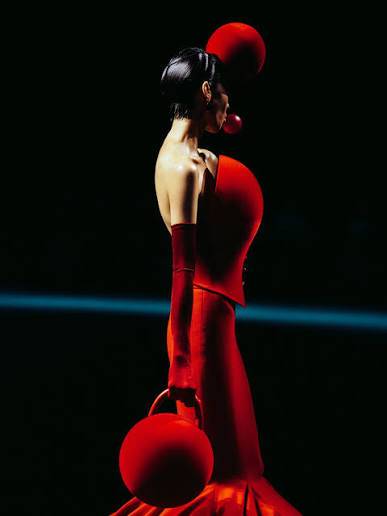
In the rarefied air of high fashion, where the image is traditionally treated as a finished, definitive product, the house of Prada has consistently sought to disrupt the status quo. For its Spring/Summer 2026 campaign, the brand has embarked on a second, more introspective creative iteration, again partnering with the provocative American artist Jordan Wolfson. If the first phase of this project focused on the mechanical construction of the image itself—the lights, the lens, the artifice of the shoot—this latest chapter shifts its lens inward, toward the far more complex and elusive task: the construction of the self.
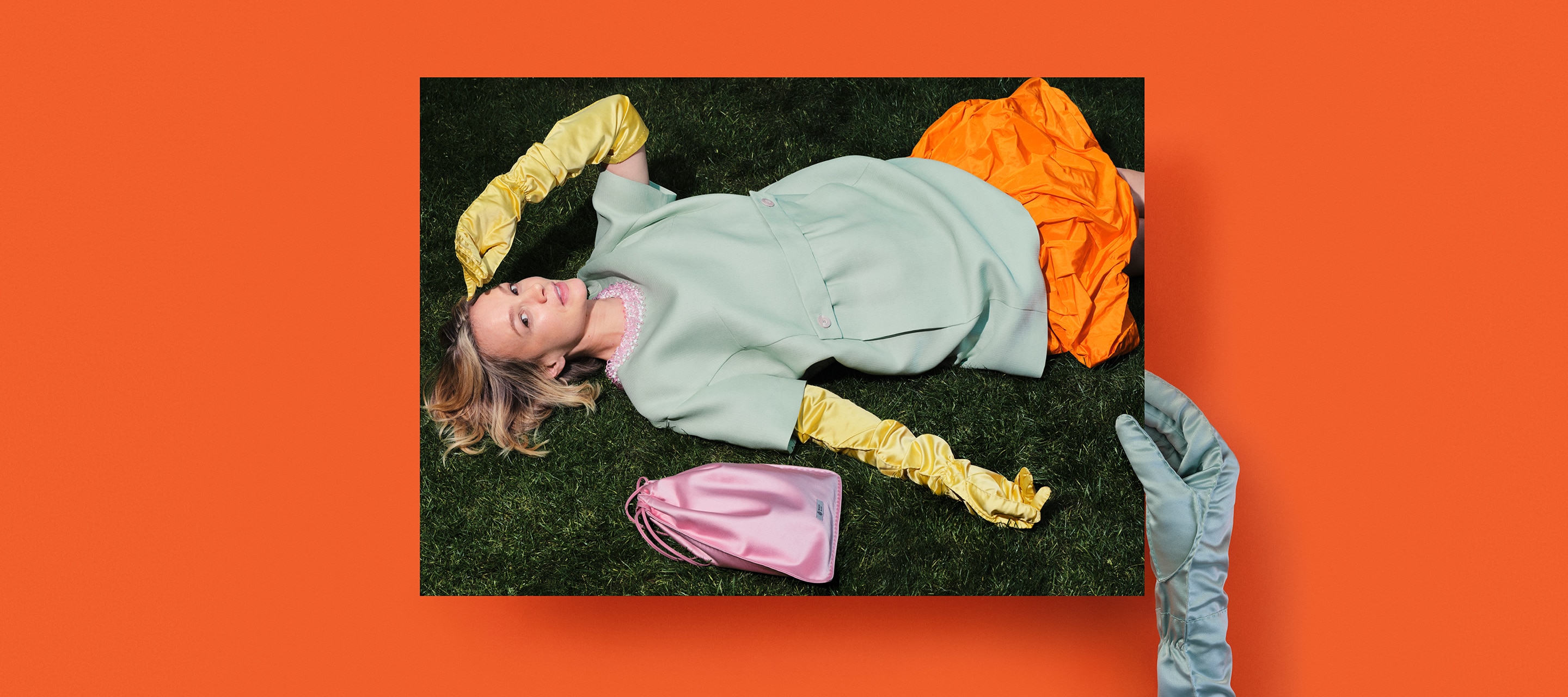
This is a campaign that does not seek to sell a collection so much as it seeks to interrogate the nature of being. The project places a striking assembly of ambassadors—including Hunter Schafer, Carey Mulligan, Nicholas Hoult, Damson Idris, Levon Hawke, John Glacier, and Liu Wen—into environments that are consciously stark and fundamentally alien. In these isolated, unfamiliar contexts, the performers are stripped of the typical artifice of fashion photography. They are not merely models in clothing; they are figures caught in an existential loop, forced to interact with mysterious, imaginative creatures that defy logical categorization. These creatures, strange and unexplained, serve as mirrors for the performers, highlighting the uncanny feeling of trying to define one's own existence in a vacuum.
The heart of the campaign lies in a single, haunting refrain: the mantra, "I, I, I, I am…" It is a phrase that signals an earnest attempt at self-definition, yet it remains perpetually, frustratingly unresolved. Each performer speaks or repeats these words, yet the sentence never concludes. It is a brilliant piece of strategic storytelling, capturing the stuttering, fragile nature of identity in the digital age. By refusing to let the performers complete the thought, Prada and Wolfson highlight the modern anxiety of the self—the feeling that we are constantly trying to define who we are, only to find that the definition shifts, dissolves, or becomes performative the moment we are observed by another.
Related article - Uphorial Shopify

This is where the project transcends fashion to become a deep philosophical inquiry. It asks: how much of our identity is truly our own, and how much is a performance designed for the screen or the gaze of the "other"? The work suggests that identity is not a static object we possess, but a fluid process we navigate. When we are being watched, or when we are performing, the "I" often feels like a construct that disappears the moment we try to pin it down. By casting globally recognized performers—actors and musicians whose lives are, by necessity, a constant negotiation between their public image and their private self—Prada elevates the campaign into a meditation on the cost of visibility.
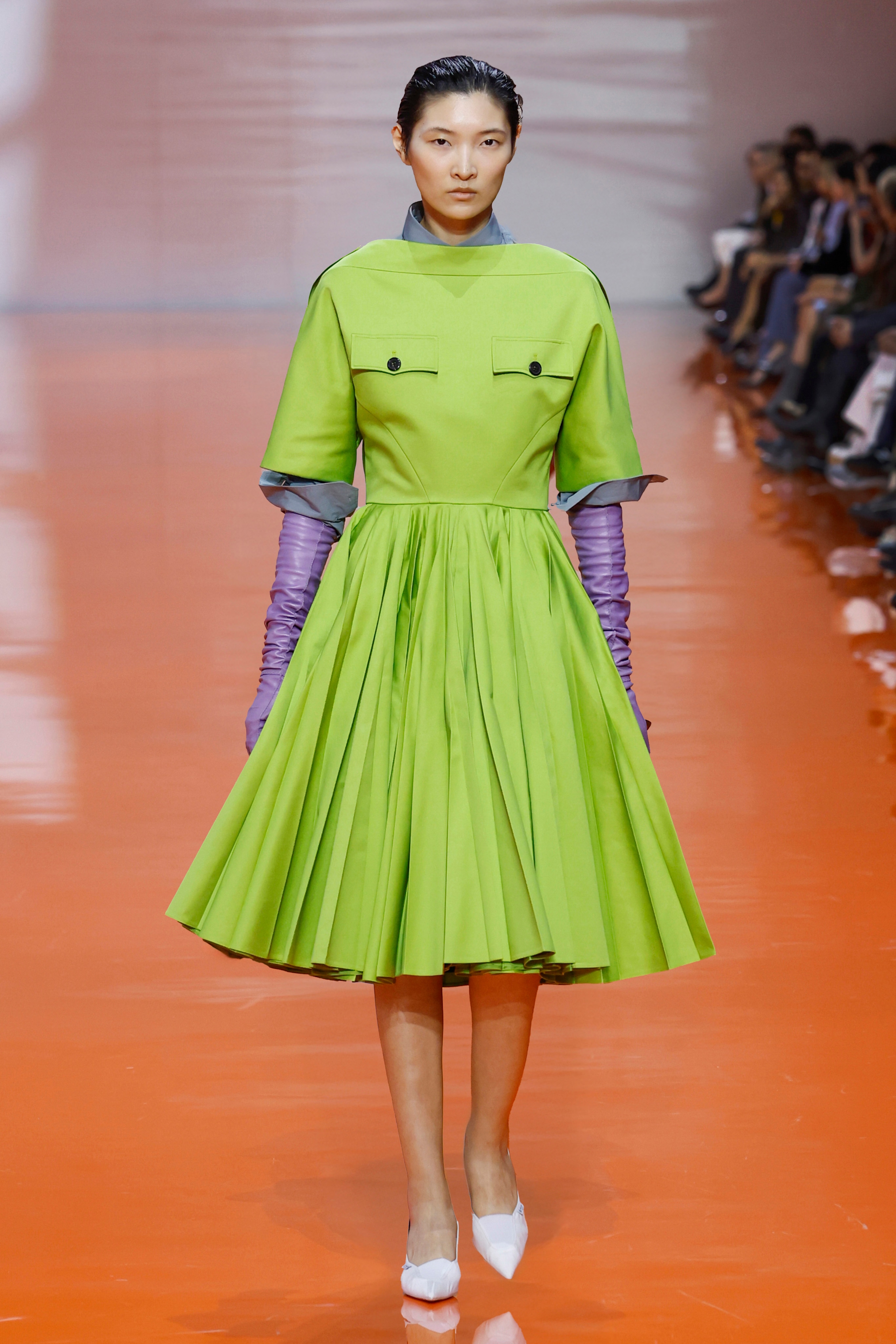
There is an emotional precision in the execution of this project that is rare in contemporary advertising. The isolation of the settings, the strange presence of the creatures, and the incompleteness of the mantra create a mood that is at once alienating and deeply empathetic. It speaks to the cultural understanding that, in a world saturated with carefully curated images of "the self," the most authentic thing we can do is acknowledge the instability of that self. The campaign does not provide a definitive answer to the question of who we are; instead, it opens the question up, inviting the viewer to look at their own reflection and acknowledge the parts of themselves that remain elusive. This transformational framing marks a significant departure from traditional expectations of fashion imagery. We are accustomed to campaigns that provide a clear narrative—a mood, a place, a lifestyle—that the consumer can aspire to. Prada, however, is offering a space of inquiry rather than a manual for consumption. It chooses to embrace the ambiguity of reality and fantasy, suggesting that the most interesting thing about a garment is the person inhabiting it, and the most interesting thing about that person is the mystery of their own existence. It is an act of intelligent curation, bringing together a group of ambassadors whose personal brands are themselves complex, multi-layered constructs, and asking them to strip away the certainty of their roles.
As we navigate an era where the lines between the physical self and the digital avatar are increasingly blurred, this project feels both timely and essential. It reflects a cultural moment where the pressure to be "definable" is constant, and the act of asserting "I am…" is more fraught than ever. Prada is not just showing us clothes; it is holding up a mirror to the strange, stuttering, and ultimately hopeful process of trying to be human in the twenty-first century. In the final assessment, the campaign succeeds precisely because it refuses to be "understood" in the conventional sense. It leaves the viewer with a lingering sense of mystery—a question that continues to echo long after the images have been scrolled past. In an industry that often celebrates the superficial, the ability to provoke such a deep, existential inquiry is the ultimate mark of luxury. It is a reminder that fashion at its highest level is not about clothing the body, but about engaging the mind, challenging our perceptions, and acknowledging that the most complex design project we will ever undertake is the construction of ourselves. The Spring/Summer 2026 campaign is, at its heart, a tribute to that ongoing, unresolved, and beautiful struggle to define the "I."