The wellness landscape, once a fragmented terrain of specialized regimes, is currently undergoing a quiet, profound revolution—a fusion of modalities that prioritizes sustainability over intensity. At the vanguard of this shift is the 25-minute “Pilates Deep Core x Yoga” practice, an experience that has transcended its digital origins to become a masterclass in modern, accessible movement. This is not merely a workout video; it is a meticulously curated intersection where the surgical precision of Pilates meets the expansive, meditative flow of yoga. In a culture defined by an relentless cadence of noise and over-optimization, this particular routine offers a rare, transformative framing: the invitation to slow down, reconnect, and find strength in the absence of external equipment.
To understand why this practice resonates so deeply with a global audience, one must first appreciate the intelligent curation at play. For too long, the fitness industry leaned heavily into the "more is better" ethos—heavy weights, complex machinery, and grueling durations. This fusion, however, pivots toward emotional precision, focusing on the deep core not as a vanity project, but as the seat of physical and emotional stability. By stripping away the need for equipment, the practitioner is forced into an intimate dialogue with their own body weight and gravitational resistance. There is an inherent cultural understanding embedded in this approach; it recognizes that in a post-pandemic, increasingly remote world, the home has become the ultimate sanctuary. By removing the barrier of entry—no studio membership, no bulky equipment, no complicated setup—the workout democratizes health, asserting that peak functionality is a birthright, not a privilege reserved for those with the resources to access elite spaces.
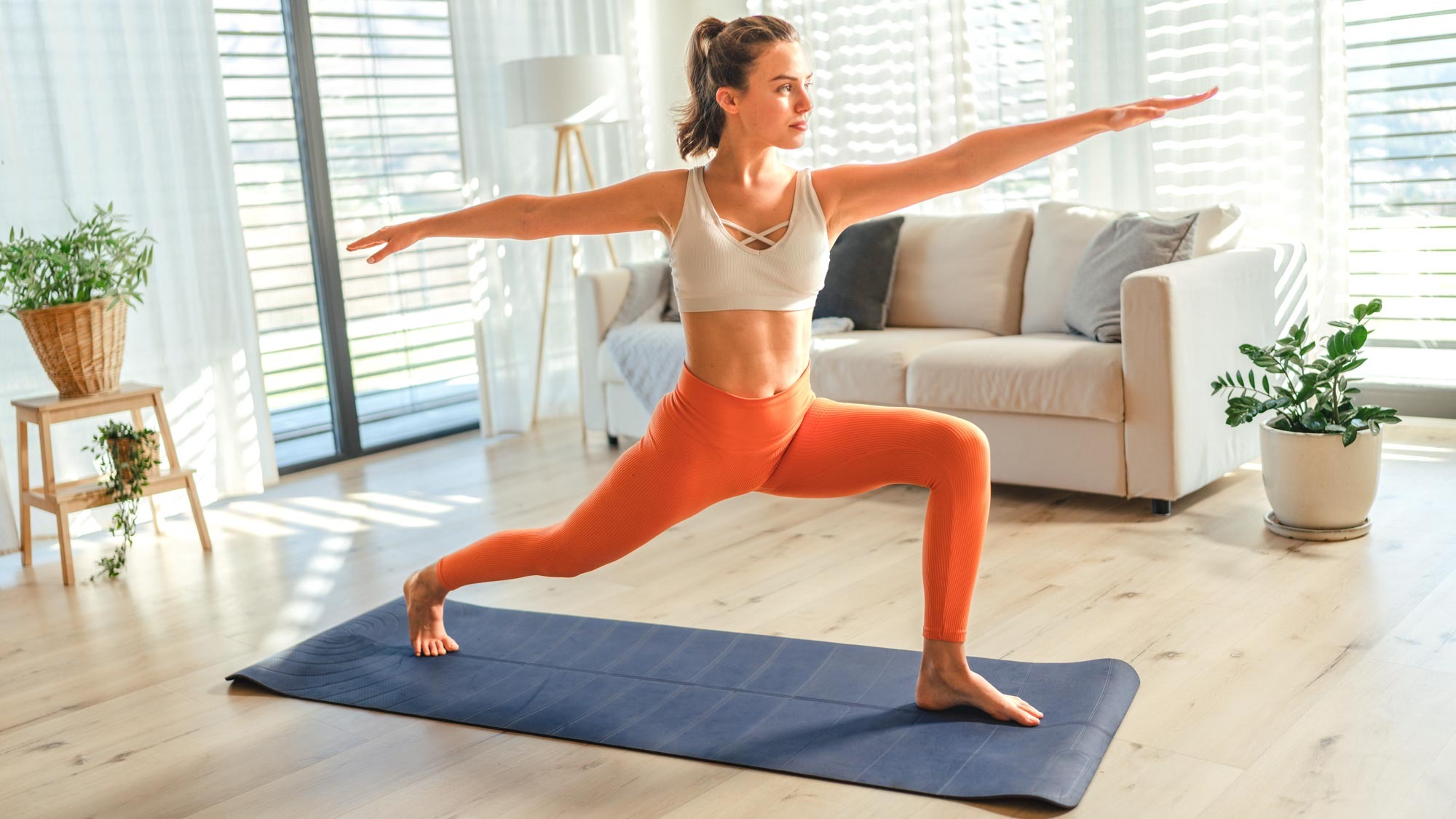
Related article - Uphorial Shopify
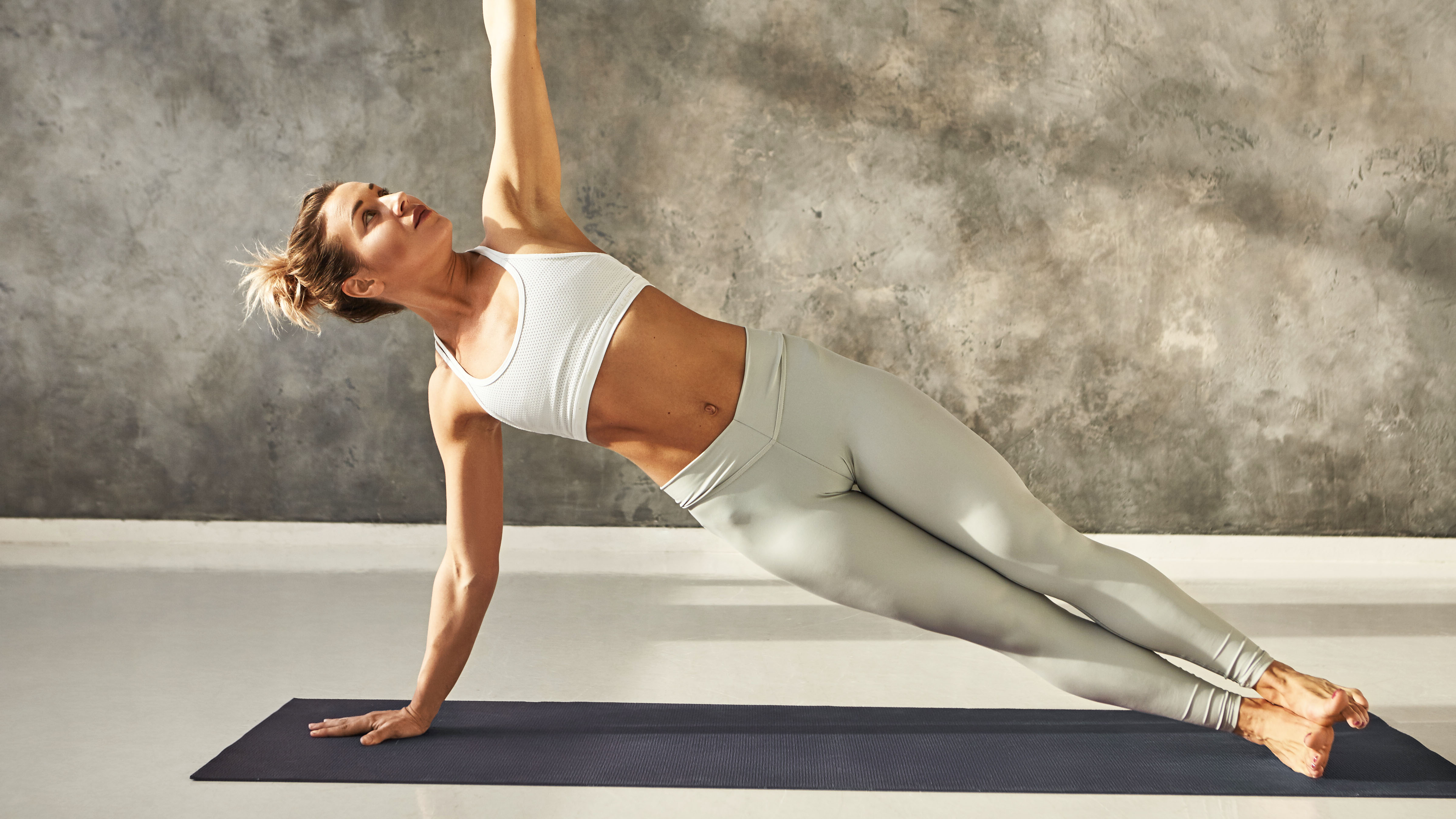
The strategic storytelling within this 25-minute window is equally compelling. The structure of the routine functions like a narrative arc; it begins with the activation of the peripheral senses, grounding the participant in the present moment, before diving into the core-centric technicality that defines Pilates. The brilliance lies in how seamlessly it transitions into yoga, allowing the body to decompress the very muscles it just engaged. This is transformational framing at its finest. Rather than viewing exercise as a task to be checked off, the methodology positions movement as a form of somatic maintenance—an essential reboot for the nervous system. The brevity of the session is not a limitation but a tactical design choice; it acknowledges the time-poverty that defines the contemporary human experience while proving that intentional, targeted movement can be as potent as a longer, less focused session.
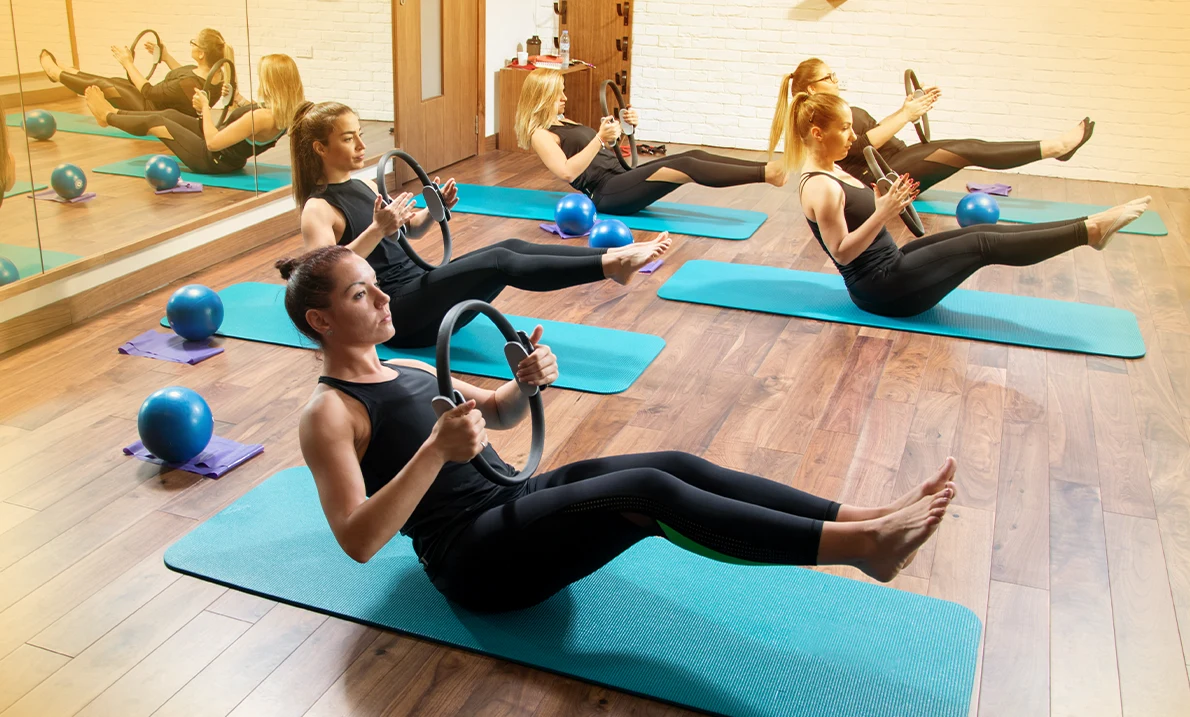
There is a distinct emotional resonance in the "no equipment" philosophy. When a practitioner steps onto a mat with nothing but their own resolve, the dynamic shifts from performance to presence. There is nowhere to hide. Without the distraction of external tools, the mind is tethered to the nuance of the breath and the subtle tension of the abdominal wall. This fosters a sense of agency that is often lost in conventional gym environments. The instructor’s ability to guide the user through such a compact duration—balancing the rhythmic intensity of core conditioning with the deliberate stillness of yoga—reflects an astute grasp of what the modern mind truly craves: clarity.
In a broader sense, this workout represents a vital departure from the aesthetic-first models of the past. It shifts the goalposts toward longevity, mobility, and the internal architecture of strength. It is a quiet rebellion against the frantic pace of modern life, a 25-minute window of stillness and controlled power. As we look at how this format is being embraced, it is clear that the future of wellness is not found in the acquisition of more gear or the commitment to hours of suffering. It is found in the refined, deliberate pairing of practices that respect the body’s innate intelligence. This is movement as meditation, conditioning as compassion, and, most importantly, an accessible path toward a more resilient, integrated sense of self that persists long after the screen goes dark and the mat is rolled away.