ODZALA KOKOUA - Deep within the heart of the Congo Basin lies the Odzala-Kokoua National Park, a sprawling biological cathedral that serves as one of the most critical refuges for biodiversity on the planet. Encompassing over 13,000 square kilometers of dense rainforest, savannah-forest mosaics, and winding river systems, this landscape represents a vital bastion for some of the world’s most iconic and threatened species. For Andrew Macdonald and Sarah Wang, a ten-day assignment in this remote wilderness was not merely a photographic mission, but an immersion into the complex, often unseen machinery of large-scale conservation.
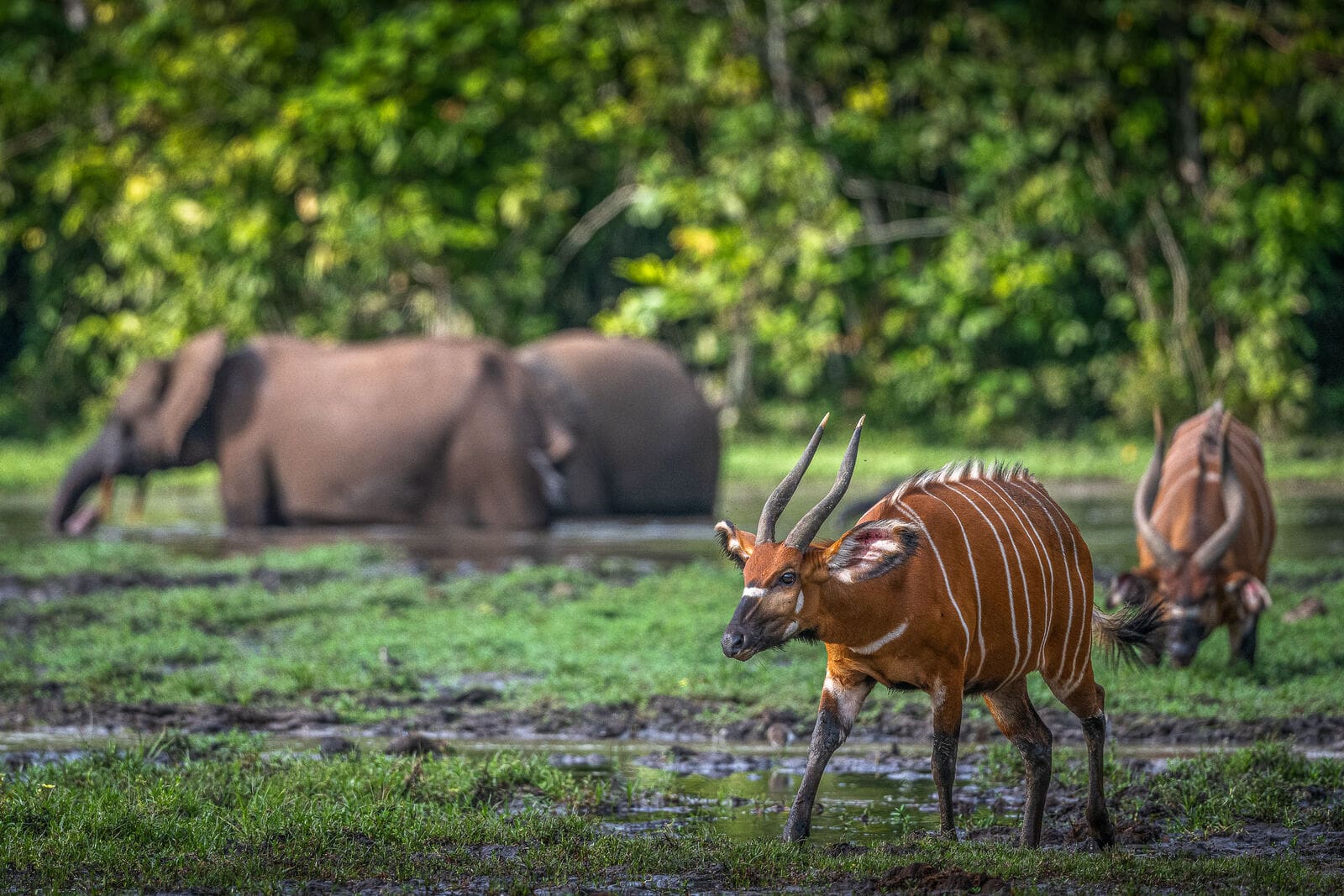
The documentary captures the team as they navigate the unforgiving conditions of the Congo—where relentless humidity, thick undergrowth, and unpredictable tropical storms define daily life. Their objective was to document the rich, hidden inhabitants of the park, a task that required deep engagement with the unique geography of the region. Central to this effort was the use of 'bais,' the natural, mineral-rich forest clearings that act as magnets for the park’s elusive wildlife. These clearings serve as essential hubs where western lowland gorillas, forest elephants, and a host of other species converge to forage, socialise, and supplement their diets with vital nutrients found in the soil and water. For researchers and photographers alike, these bais function as natural windows into the forest, offering a rare, fleeting glimpse into the social lives of animals that are otherwise obscured by the dense, impenetrable canopy.
Related article - Uphorial Shopify

A profound focus of the expedition was the gorilla habituation process, an intensive conservation effort led by expert teams on the ground. Habituation is a delicate, multi-year practice that allows trackers to follow wild gorilla groups—such as the family led by the silverback Olongo—without causing the animals alarm or distress. This process is far more than a precursor to tourism; it is a critical scientific and protective measure. By gradually introducing the gorillas to a non-threatening human presence, researchers can track the health and movements of individual families, gather invaluable data to inform broader conservation strategies, and provide a layer of protection against poaching and disease. The film illustrates the intense patience and discipline required of the habituation teams, who must read subtle shifts in gorilla posture, vocalization, and movement to ensure the safety and tranquility of the group.

The team’s exploration extended beyond the forest floor to the park’s intricate river networks. Traveling by boat through the remote interior, they navigated challenging weather to document the slender-snouted crocodile, a testament to the unpredictable nature of the work. Throughout the journey, the documentary underscores the conservation context provided by African Parks, the non-profit organization that manages the site in partnership with the Republic of Congo’s government. This management model emphasizes the necessity of effective law enforcement, anti-poaching measures, and positive community engagement. The park’s protection is a multi-faceted operation, involving advanced technology like the EarthRanger control room, which monitors real-time data on wildlife and ranger locations, alongside a dedicated workforce where the vast majority of staff are Congolese nationals from the immediate park periphery.
This behind-the-scenes film offers more than just a visual showcase of one of Africa’s wildest places; it is an educational narrative that highlights the logistics, physical resilience, and scientific dedication required to operate in such an environment. By documenting the work of rangers, trackers, and conservationists, the documentary shines a light on the human commitment necessary to safeguard the fragile balance of the Congo Basin. It stands as a powerful reminder that the survival of these species—and the vast ecosystem they inhabit—depends on a tireless, coordinated effort to maintain the integrity of one of the world’s last great wildernesses.