LOS ANGELES – The landscape of contemporary British cinema was profoundly altered by the release of The Long Goodbye, a visceral and unsettling short film that has since earned the distinction of an Academy Award. Created by the versatile Riz Ahmed and directed with clinical precision by Aneil Karia, the project serves as an unflinching meditation on the fragility of belonging and the corrosive nature of systemic racism in modern Britain. In a runtime that feels both brief and agonizingly long, the film dismantles the facade of domestic security, forcing its audience to confront the terrifying reality of exclusion and the sudden, violent erosion of identity that many minority communities fear as a latent possibility in the current social climate.
The narrative arc of the film is a masterclass in psychological escalation, beginning within the deceptive safety of a suburban family home. The opening sequences are intentionally mundane, capturing the chaotic, warm, and recognizable preparations for an upcoming wedding. Viewers are invited into a space defined by multi-generational laughter, the bustling of household chores, and the shared excitement of a family milestone. However, this domestic intimacy is subtly poisoned by an encroaching sense of dread. In the background, news reports and digital feeds hum with reports of rising social unrest and targeted violence, creating a chilling juxtaposition between the celebration inside the home and the hostility brewing just beyond the front door.
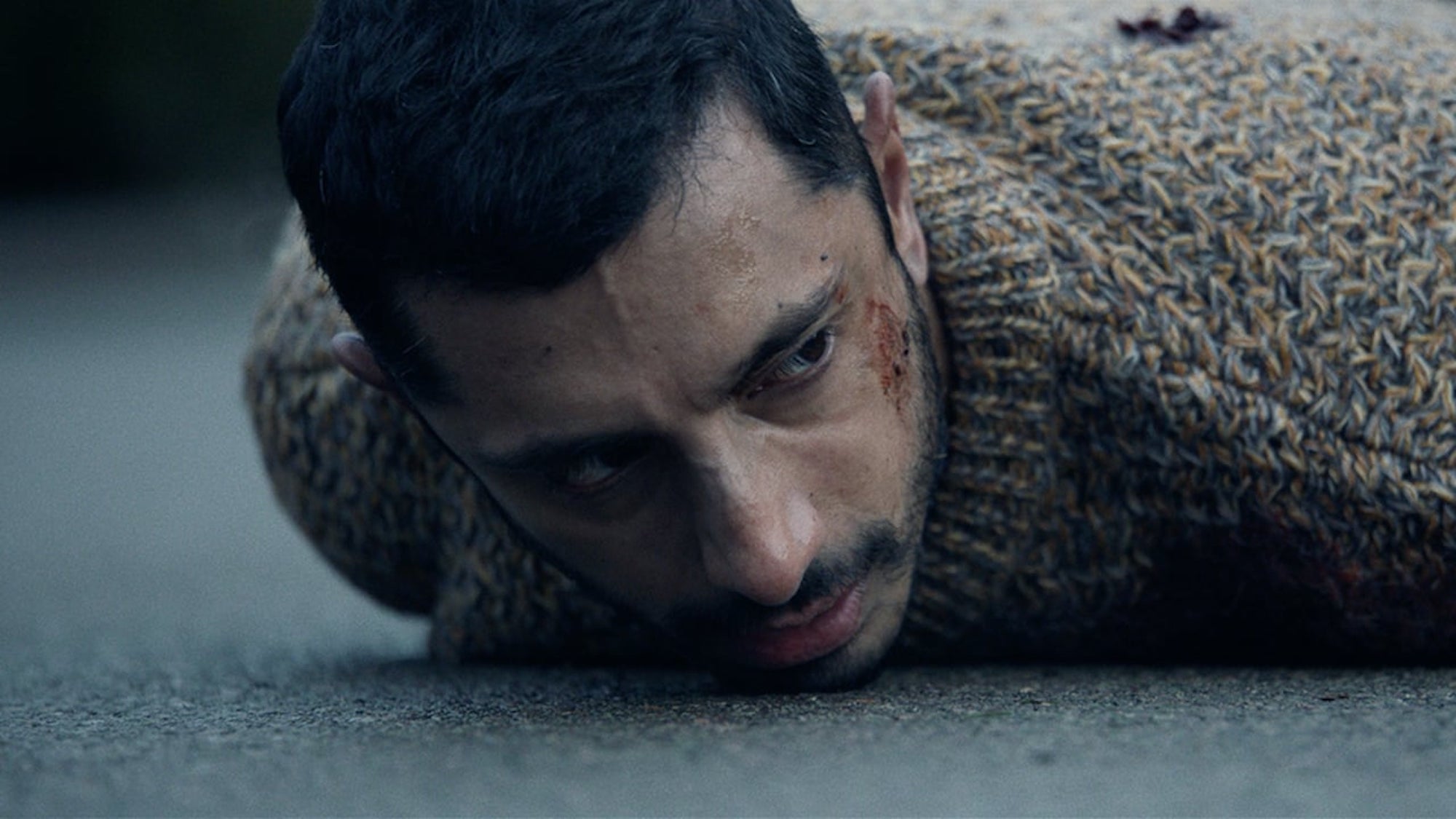
This tension erupts into a nightmare of systemic proportions as the film shifts from psychological dread to overt physical trauma. The sanctuary of the home is shattered when a violent, extremist group, operating with a terrifying sense of organized impunity, forces their way into the residence. In a sequence that mirrors the darkest chapters of historical and contemporary ethnic cleansing, the family is rounded up and forcibly pushed into the street. This moment serves as the film’s central, harrowing thesis: the realization that the walls of a home, the history of a family, and the legal status of citizenship are fragile barriers when confronted by the sudden mobilization of state-sanctioned or tolerated prejudice.
Related article - Uphorial Shopify

As the family is subjected to a public display of dehumanization, the film strips away the conventional narrative structure to leave only the raw, unfiltered voice of its creator. The Long Goodbye concludes with a visceral, spoken-word performance by Riz Ahmed that has become one of the most discussed moments in recent cinematic history. Breaking the fourth wall, Ahmed speaks directly to the camera, delivering a monologue that functions as both a eulogy for a lost sense of safety and a defiant assertion of presence. He deconstructs the exhausting "on-off" relationship that many immigrants and their descendants have with their host nations—a dynamic where one is embraced only when convenient and discarded when the political winds shift.

Ahmed’s performance is a blistering critique of the social climate, dismantling the complex questions of heritage and the psychological pain of being made to feel like an outsider in one's own country. The monologue moves with a rhythmic, percussive intensity, tracing the history of contribution and the subsequent betrayal felt by those who have built their lives in a nation that suddenly demands their exit. It is a demand for dignity in the face of absolute prejudice, challenging the viewer to look beyond the "polite" conversations regarding integration and to see the human cost of exclusion.
Ultimately, The Long Goodbye is not merely a piece of fiction; it is a mirror held up to a society grappling with its own identity. By moving from the mundane reality of a wedding to the horrific spectacle of a forced expulsion, Ahmed and Karia suggest that the line between belonging and being hunted is thinner than most would like to believe. The film remains a haunting, essential document of 2026’s cultural discourse, reminding us that for many, the "goodbye" is not a choice, but a looming threat that must be addressed with urgent, collective courage. It is a powerful reminder that the story of a nation is written in the treatment of its most vulnerable citizens, and that the silence following a scream is often more deafening than the scream itself.