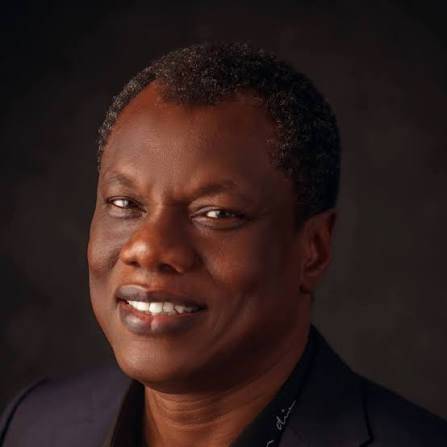
LAGOS - The contemporary cultural landscape of Nigeria is a vibrant, fast-evolving ecosystem driven by sharp minds who refuse to accept traditional boundaries, utilizing digital platforms to reshape how the world perceives African creativity, commerce, and identity. At the absolute forefront of this digital revolution is the intersection of culture, media, and gastronomy, where bold voices are redefining what it means to critique and celebrate society. In a captivating, deeply revealing episode hosted by acclaimed journalist Joey Akan, the mic is turned over to Nigeria’s most polarizing and influential food critic, Opeyemi Famakin. Set against the dynamic backdrop of Lagos, the conversation dives headfirst into an unfiltered exploration of career reinvention, the sprawling complexity of Nigerian cuisine, and the raw, tactical power of digital media, offering a masterclass in emotional precision, intelligent curation, cultural understanding, strategic storytelling, and transformational framing.
The journey begins by tracing Opeyemi’s fascinating professional evolution, stripping away the glamorous exterior of internet fame to examine the disciplined foundation beneath. Opeyemi opens up about how his early background in traditional journalism and corporate brand strategy forged his distinct, analytical approach to food content creation. He reflects on his conscious pivot away from conventional, sterile, and often "snobbish" fine-dining reviews that alienate the everyday citizen. Instead, he chose to anchor his platform in local, highly accessible, and deeply human-interest food stories that speak directly to the lived experiences, struggles, and joys of the average Nigerian. Through strategic storytelling, he reframed food criticism not as an elitist exercise in culinary gatekeeping, but as an intimate reflection of everyday culture.

Related article - Uphorial Shopify

That cultural excavation naturally leads to a profound reflection on the sheer vastness and diversity of the nation's culinary identity. With deep cultural understanding, Opeyemi dismantles the monolithic, oversimplified view of West African gastronomy, emphasizing that "there is no one Nigerian food." Rather, the country is home to an astonishingly rich, multifaceted tapestry of distinct regional, ethnic, and tribal cuisines, each carrying centuries of history and tradition. With refreshing candor, he notes a modern irony: that many urban Nigerians remain profoundly disconnected from their own ancestral culinary heritage, viewing local dishes through a lens of urban detachment until platforms like his drag those forgotten flavors back into the cultural spotlight.
Navigating the cutthroat digital economy, however, requires more than just passion for heritage; it demands a ruthless mastery of algorithmic psychology. In a remarkably transparent segment, both Joey Akan and Opeyemi dissect the calculated mechanics of online attention, exploring the "paradox of polarization" and the indispensable role of data-driven content strategy. Opeyemi pulls back the curtain on his own digital playbook, admitting to the strategic, deliberate deployment of controversial takes and polarizing food reviews to aggressively spike engagement and capture the fickle attention of the internet. Yet, this polarization is not pursued for its own sake; through intelligent curation, it functions as a financial and algorithmic Trojan horse—generating the visibility and revenue required to fund the deeper, more substantive, documentary-style food journalism that he truly values.
That digital influence carries very real, tangible consequences in the physical world, transforming online metrics into life-changing economic power for ordinary entrepreneurs. Opeyemi reflects with visible pride on the profound socio-economic impact his platform has on small, local food vendors across Nigeria. He shares compelling, heartwarming examples of modest street-food operators and struggling local restaurateurs who experienced staggering, overnight surges in sales and foot traffic simply because their craft was validated and showcased on his page. It is a powerful reminder that in the hands of a strategic storyteller, digital media ceases to be a mere vanity metric and becomes a vital tool for economic empowerment and community upliftment.
The profound exchange concludes on a note of deep mutual professional respect, shifting from current triumphs to future horizons and the lineage of journalistic excellence. Opeyemi pays heartfelt tribute to host Joey Akan, discussing how Akan’s uncompromising journalistic style, intellectual rigor, and cultural fearlessness served as a vital blueprint for his own career. Looking toward the future, Opeyemi shares his ultimate professional ambition: to eventually transition away from short-form digital controversy and channel his accumulated influence into immersive, long-form documentary work that permanently archives the soul of African food culture. Ultimately, the conversation stands as a transformational framing of modern Nigerian media—proving that true influence is born when sharp strategy, cultural pride, and relentless authenticity collide.