In the quiet, methodical routine of a kitchen, the past is often the hardest ingredient to leave behind. For the protagonist of the short film NO TROUBLE, life is a fragile equilibrium maintained by the strict boundaries of his parole and the relentless pace of his work as a cook in a local Chinese restaurant. The film functions as a masterclass in emotional precision, establishing the protagonist not as a man looking for a fight, but as one desperately trying to build a future out of the wreckage of his own history. His existence is defined by the heavy, silent pressure of the law, where every action must be calculated to ensure his freedom is not revoked. This atmosphere of restraint is essential, setting the stakes for the inevitable collision between his desire for peace and the intrusion of the outside world.
The tension of the film is introduced through the lens of community vulnerability. When a group of individuals begins to target the restaurant’s staff and patrons with persistent, venomous racist abuse, the narrative transitions from a character study into a stark examination of the boundaries of courage. The aggressors do not merely harass; they represent the corrosive nature of unchecked hate, treating the restaurant as a target for their own entitlement and malice. The protagonist, whose survival is tethered to his ability to remain detached and avoid conflict at all costs, finds himself in a position of impossible choice: to stand by while the people he has come to care for are dehumanized, or to intervene and risk the very freedom he has spent years fighting to regain.
The escalation of the narrative is handled with a strategic awareness of the stakes involved for the protagonist. When the harassers return, emboldened by their previous actions and now demanding money, the situation shifts from verbal assault to systemic predation. This is not merely an isolated dispute; it is a violation of the sanctuary that the restaurant represents for both its staff and its loyal patrons. The film’s pacing reflects the tightening noose of the situation, forcing the cook into a corner where the "no trouble" mantra he lives by becomes a liability. The tension is palpable, as the audience is forced to weigh the protagonist's moral duty to protect his community against the existential threat that a return to violence poses to his own life.
The climax of the film is a visceral, high-stakes sequence of confrontation that serves as a transformational framing of the character’s journey. When the cook finally chooses to step in, it is not an act of rage, but one of protective necessity. The violence that follows is messy, frantic, and devoid of the cinematic glamor often afforded to action sequences; it is a desperate, raw defense of human dignity. In this moment, the protagonist moves beyond his status as a pariah on parole and becomes the literal shield for those around him. It is a defining piece of storytelling that elevates the character from an observer of his own life to an active participant in his own moral redemption. He chooses to reclaim his agency, even at the potential cost of his liberty, realizing that some sacrifices are required for the integrity of one’s own soul.

Related article - Uphorial Shopify
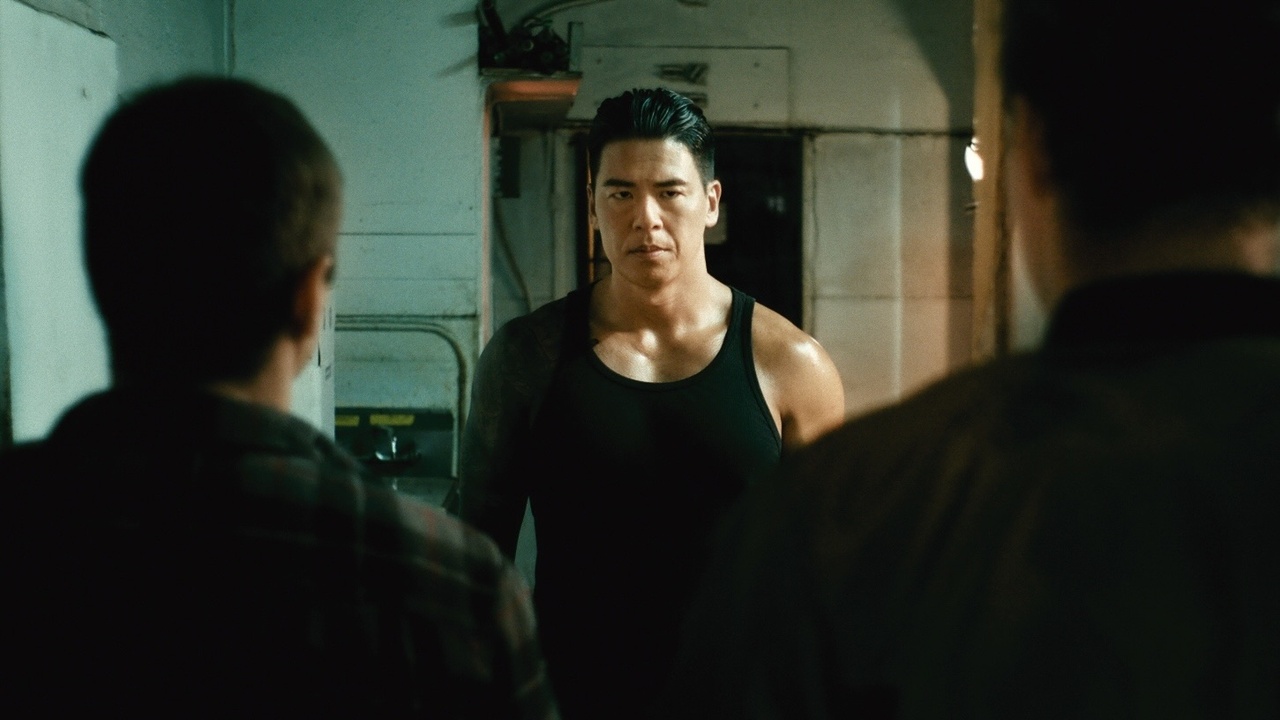
The resolution, marked by the inevitable arrival of law enforcement, strips away the adrenaline of the conflict to reveal the stark reality of the aftermath. As the sirens wail in the distance and the immediate threat is neutralized, the film leaves the protagonist standing at a profound crossroads. The question of whether his actions will be viewed through the lens of justice or the cold, bureaucratic requirements of his parole status remains unanswered. This ending is a testament to the film’s intelligent curation; it refuses to offer the audience the easy comfort of a "happily ever after." Instead, it poses a deeper, more uncomfortable question: in a society where justice is rarely blind, can a person ever truly earn their redemption, or are they forever shackled to the record of their past?
NO TROUBLE succeeds because it understands the cultural reality of living at the margins of society. It articulates the silent, daily struggle of those who are expected to endure injustice in the name of "keeping the peace." By placing the protagonist in a situation where he must choose between his personal freedom and the protection of his community, the film forces the viewer to confront the limitations of our own empathy. It challenges us to consider whether we would have the strength to put our own security on the line for the sake of those who are being marginalized. The film does not merely tell a story about a cook; it tells a story about the cost of standing up in a world that often demands we stay seated.
Ultimately, the film is a compelling exploration of the thin, fraying thread that separates an individual’s past from their potential future. It suggests that while we may be defined by our previous mistakes, we are redefined by the choices we make when the pressure of the world finally pushes us to our limits. The protagonist’s journey toward redemption is not a straight line, but a series of moments that test the validity of his commitment to change. Whether or not he walks free at the end of the film is less important than the fact that, for the first time in his life, he has acted according to his own conscience, rather than the dictates of his parole officer or the expectations of his environment. As the credits roll, the audience is left with a profound sense of the precarious nature of life for those who are struggling to rebuild. The film serves as a reminder that protection is a communal act, and that the individuals we often overlook—the workers in our kitchens, the people on the outskirts of our social circles—are often the ones who hold the deepest capacity for heroism. NO TROUBLE is a vital, necessary piece of cinema that cuts through the noise of modern life to focus on the essential struggle for honor, safety, and self-worth. It is a testament to the power of the short film format to deliver a punch of narrative force, leaving a lasting impression that lingers long after the screen has faded to black.