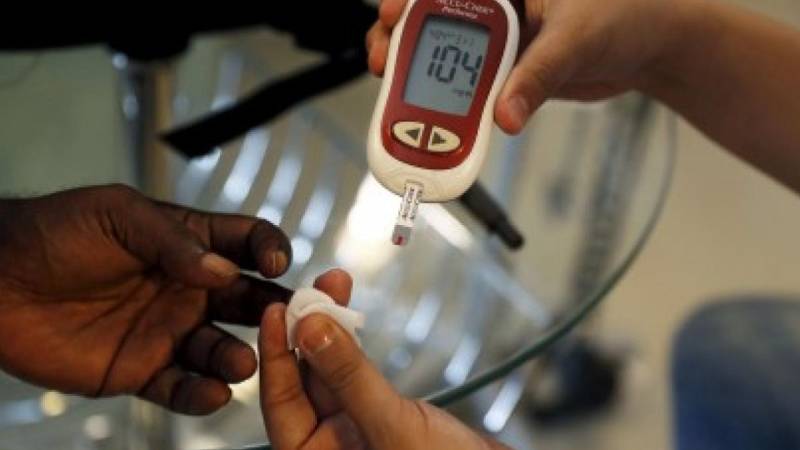
Temitope Aribigbola, a Canada-based Nigerian scientist, has issued a crisp, urgent invitation: tap Nigeria’s biodiversity, pair local knowledge with diaspora expertise, and turn computer-led hints into affordable diabetes treatments. His latest appeal and modelling work, published in August 2025, argues that familiar plants could hold enzyme-blocking compounds useful against type-2 diabetes, but only if research, funding, and political will converge.
The heart of Aribigbola’s message is practical: computational drug discovery flagged promising molecules from Blighia welwitschii leaves; the next step is clinical validation, cultivation partnerships with farmers, and technology transfer so discoveries become accessible medicines rather than academic papers. That translation, from virtual hits to pills patients can afford, needs networks that diaspora scientists can offer: labs, trial know-how, and fundraising channels.
Related article - Uphorial Podcast
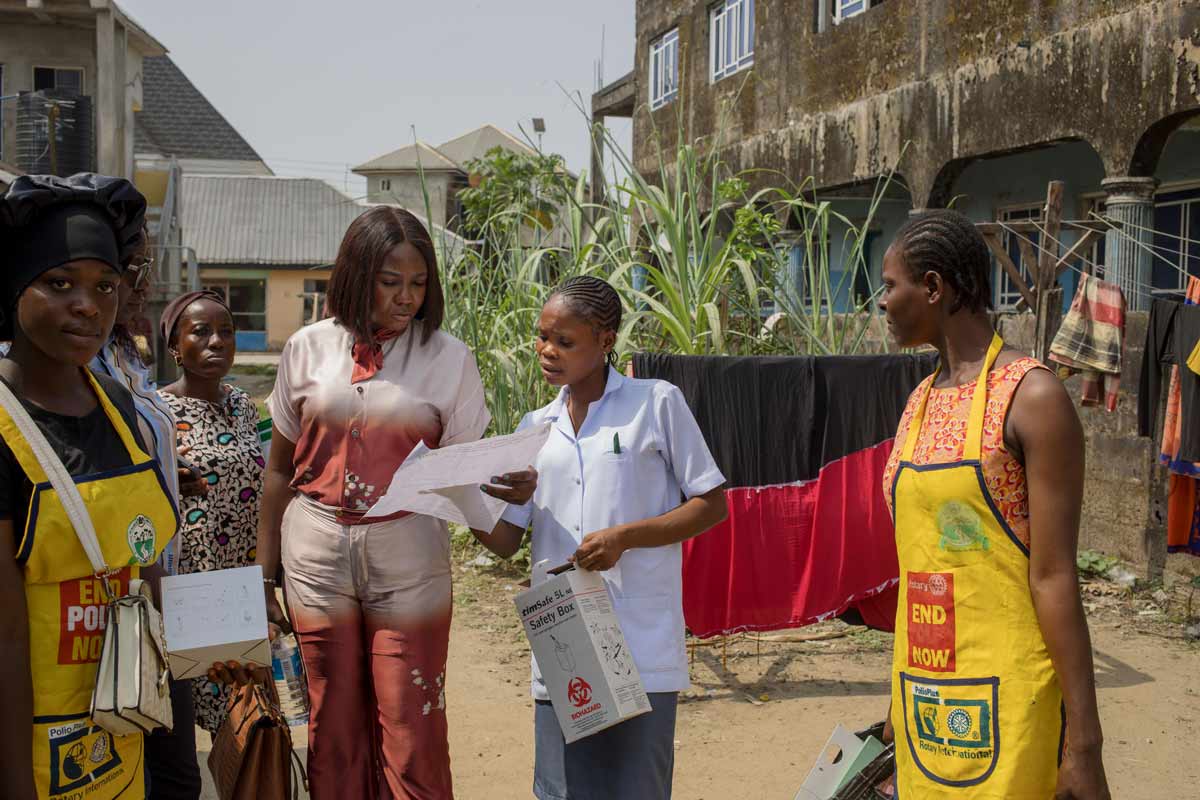
This call lands against a broader national backdrop. Nigeria is confronting a rising burden of non-communicable diseases; recent government action shows policy momentum, but scaling care and research still requires stronger public-private and transnational collaboration. Diaspora engagement could shortcut capacity gaps and accelerate any promising leads into real care.
Why this matters now: Global interest in Africa’s medicinal plants is growing, and computational methods enable researchers to quickly screen many candidates. Still, computational promise alone won’t change lives; the decisive steps are funding, regulatory pathways, local manufacturing, and equitable partnerships that return value to Nigerian communities. Aribigbola’s story is therefore both scientific and moral: it asks the diaspora to become partners in a pipeline that benefits the home.
Aribigbola’s appeal is simple and direct: expertise abroad, when linked to grounded local science and policy, can transform botanical clues into more affordable, culturally acceptable diabetes options. The work ahead is technical, yes, but it’s also a test of trust between Nigeria and its dispersed experts. If that trust is invested wisely, a small leaf from a familiar tree might one day ease millions of sugar-heavy burdens at home.