The human experience is defined by a persistent, quiet illusion: the belief that there exists within us a solid, unwavering core—a singular "self" that remains consistent across the decades of our lives. We navigate the world under the impression that this self is the objective author of our actions and the steady observer of our reality. However, the latest frontiers of neuroscience and psychology are shattering this perception, revealing that the "I" we experience is not a static entity but a dynamic, real-time construct. Our sense of self is a sophisticated simulation, a masterful feat of neural architecture designed to keep us moving through a complex environment. Understanding this is not merely a scientific curiosity; it is a transformational framing of our own existence that offers the key to rewriting the narratives that constrain our potential. At the center of this construct is what we might call the "Perception Box." The brain is an organ of prediction, constantly synthesizing its internal expectations—built upon the vast library of our past experiences—with the constant stream of external sensory data. We do not see the world as it is; we see it through the lens of what we expect it to be. This revelation is both humbling and profoundly empowering. Because our reality is a constructed process rather than an objective truth, we are not passive witnesses to our lives. We have the latent, untapped potential to exert conscious control over the construction process, expanding our internal perspective by intentionally curating the experiences and data we feed into our neural systems.
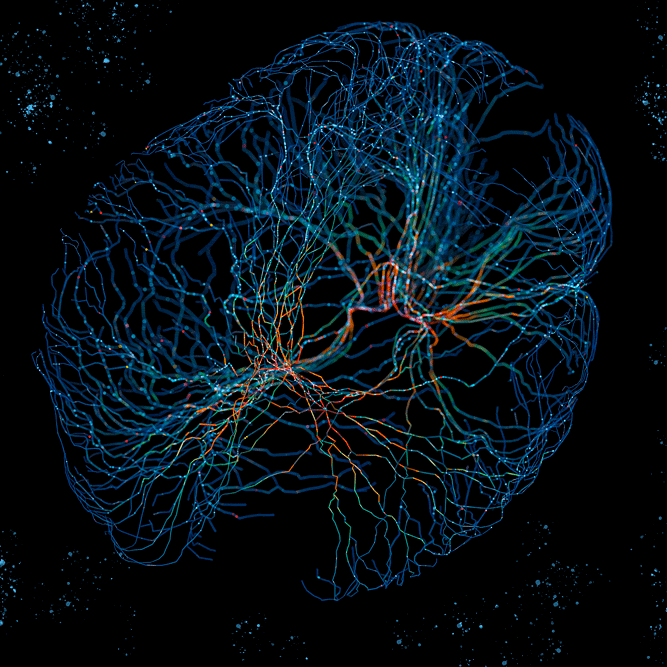
This architecture of perception is heavily influenced by the biological realities of neural pruning and habit. As we progress from childhood into adulthood, the brain engages in a rigorous process of pruning, reinforcing the neural pathways we use most frequently while discarding those that fall into disuse. This mechanism is essentially a survival optimization strategy, designed to make our reactions more efficient. However, it means that our habits—both physical and mental—literally shape the physical geography of our brains. If we exist in a state of chronic negativity, the brain will strengthen the neural infrastructure for processing negative information, creating a self-reinforcing loop that makes the world appear increasingly hostile. Our emotional state becomes a filter, dictating not just how we feel, but what we actually perceive. Central to this neural structure is the "inner voice," a tool of extraordinary power that allows us to plan for the future, simulate social interactions, and solve complex problems. Yet, for many, this voice drifts into the corrosive territory of "chatter"—the relentless, repetitive cycle of rumination, worry, and catastrophizing. When the inner voice turns against its host, it becomes a psychological prison. Neuroscience suggests that these loops are not inevitable; they are patterns that can be disrupted. Science-based tools, such as the engagement in deliberate rituals, provide a mechanism to decouple ourselves from this chatter, offering a way to step outside of the narrative and regain a sense of detached, purposeful control.
Related article - Uphorial Shopify
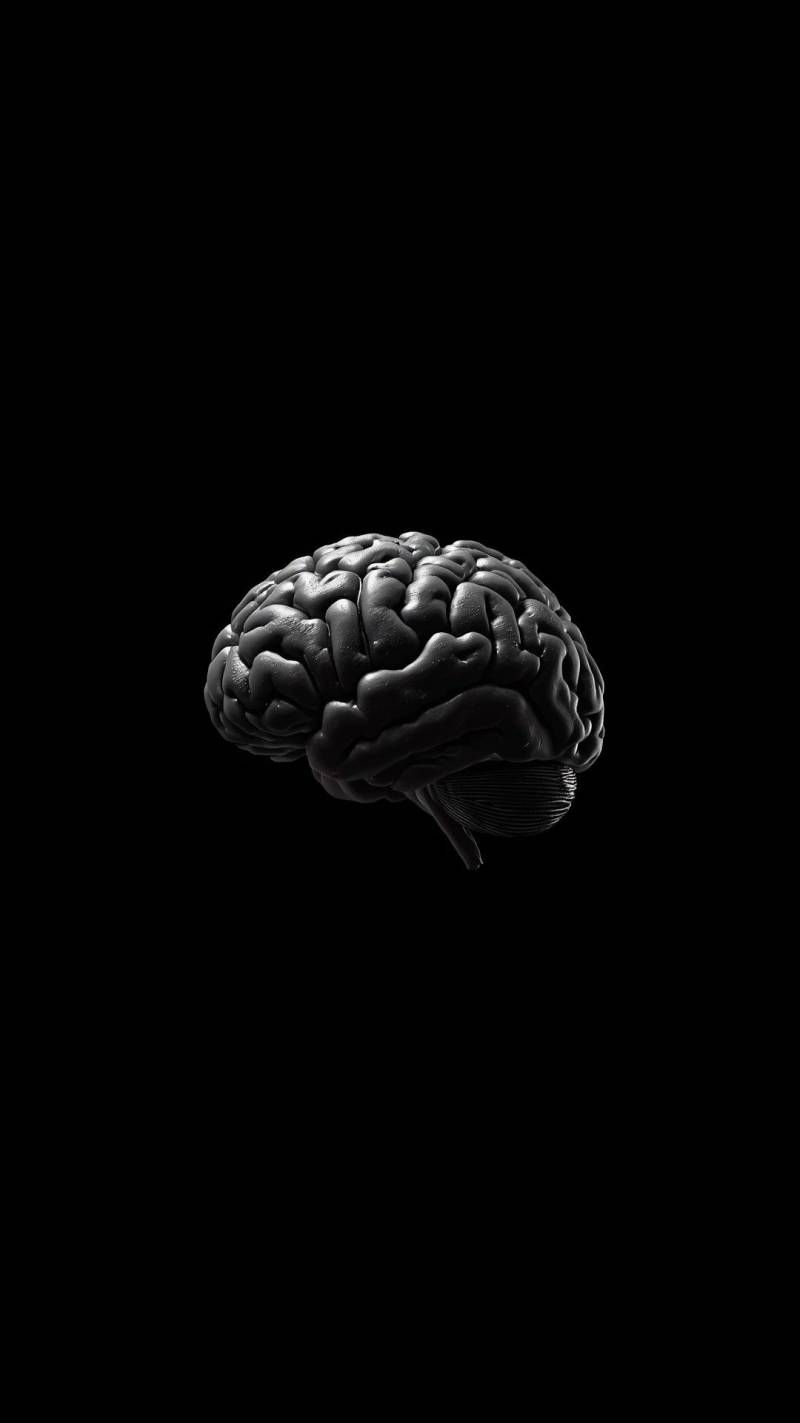
To understand why these patterns are so deeply embedded, we must look at the role of cultural and environmental osmosis during our formative years. Our self-narratives are rarely entirely our own; they are often inherited templates, built from the observational knowledge of our parents, peers, and broader societal expectations. Because the human brain possesses a natural negativity bias—an evolutionary survival mechanism that keeps us hyper-focused on threats—these inherited stories often skew toward the cautionary and the limiting. We adopt the fears and the cognitive biases of those around us, transforming them into fixed templates that we mistake for our own personality. We spend our lives living within the margins of a story that was written for us, not by us. The profound news from the lab is that the brain is not set in stone, even well into our later years. The capacity for neuroplasticity ensures that we can rewire our identity if we are willing to engage in the work of conscious attention. Reshaping our perception box requires us to move beyond the automaticity of our daily lives. It begins by identifying the small, often imperceptible patterns of our thinking—the automatic reactions to stress, the reflexive self-criticism, and the assumed limitations on our ability. By bringing these into the light of conscious awareness, we can begin to dismantle them.
Intentionally identifying "small wins" is not a trivial exercise in positivity; it is a tactical reconfiguration of the neural reward system. By training our brain to register and celebrate these successes, we begin to weaken the pathways associated with the negativity bias and strengthen those tied to resilience and possibility. Over time, these deliberate interventions shift the baseline of our perception. We cease to be the victims of our history and become the architects of our identity. The narrative shifts from one of limitation to one of evolution, and the "self" transforms from a static point of view into an active, growing project. Ultimately, this understanding of the neuro-psychology of identity provides a radical new path to self-mastery. It strips away the myth of the "fixed personality" and replaces it with the freedom of potential. We are not tethered to our past mistakes or our inherited traumas; we are in a constant state of becoming. By curating our environment, interrupting our habitual chatter, and consciously challenging the templates we were handed, we can redefine the boundaries of our own perception. We possess the capability to step out of the box we have spent years constructing and build a more expansive, more nuanced version of ourselves.
This journey of re-identification is not merely about achieving more or worrying less; it is about the fundamental act of reclaiming agency over the medium of our own consciousness. It demands that we treat our thoughts with the same level of intellectual rigor we apply to the external world, curating our inner life with the awareness that everything we think, feel, and focus on is actively sculpting the physical structure of our future selves. As we move forward, the most vital tool we have is the ability to pause, to observe the machine of our own mind at work, and to make the intentional choices that lead to a more profound, more authentic engagement with the world. We are not the products of our biology, but the creators of our reality—a realization that, if fully integrated, allows us to break the patterns of the past and step into the unwritten narrative of our true, evolving selves.