NEW YORK - The cultural landscape of Europe in the wake of the First World War was not merely recovering from physical devastation; it was swimming in a profound, unsettling psychological void where the old romantic myths of the nineteenth century lay shattered in the mud of the trenches. Out of this historical trauma emerged one of the most intellectually rigorous and visually arresting artistic movements of the twentieth century, an era of stark awakening captured in a landmark exhibition hosted by the Neue Galerie New York. Commemorating the centenary of the legendary 1925 survey originally held in Mannheim, the exhibition—titled Neue Sachlichkeit / New Objectivity—brings together over 140 works by more than 60 distinct artists, offering an unsparing, multi-disciplinary examination of the German art movement that mapped the scarred soul of the Weimar Republic with clinical precision.
To step into the galleries is to step directly into a deliberate, revolutionary aesthetic rebellion. As exhibition curator Dr. Olaf Peters insightfully explains, the birth of New Objectivity was forged as a direct counter-reaction to the soaring, feverish emotional intensity of Expressionism. While Expressionists had sought to capture internal psychological storms through distorted forms and explosive brushwork, the artists of New Objectivity felt that such emotionalism was no longer adequate for confronting the harsh, mechanized reality of postwar society. Instead, they favored a hard-nosed return to realism, championing sharp social commentary, detached observation, and meticulous, unsparing depictions of contemporary life. It was an artistic philosophy that refused to look away from the corruption, poverty, and moral decay festering beneath the glittering surface of the Weimar metropolis.

Related article - Uphorial Shopify
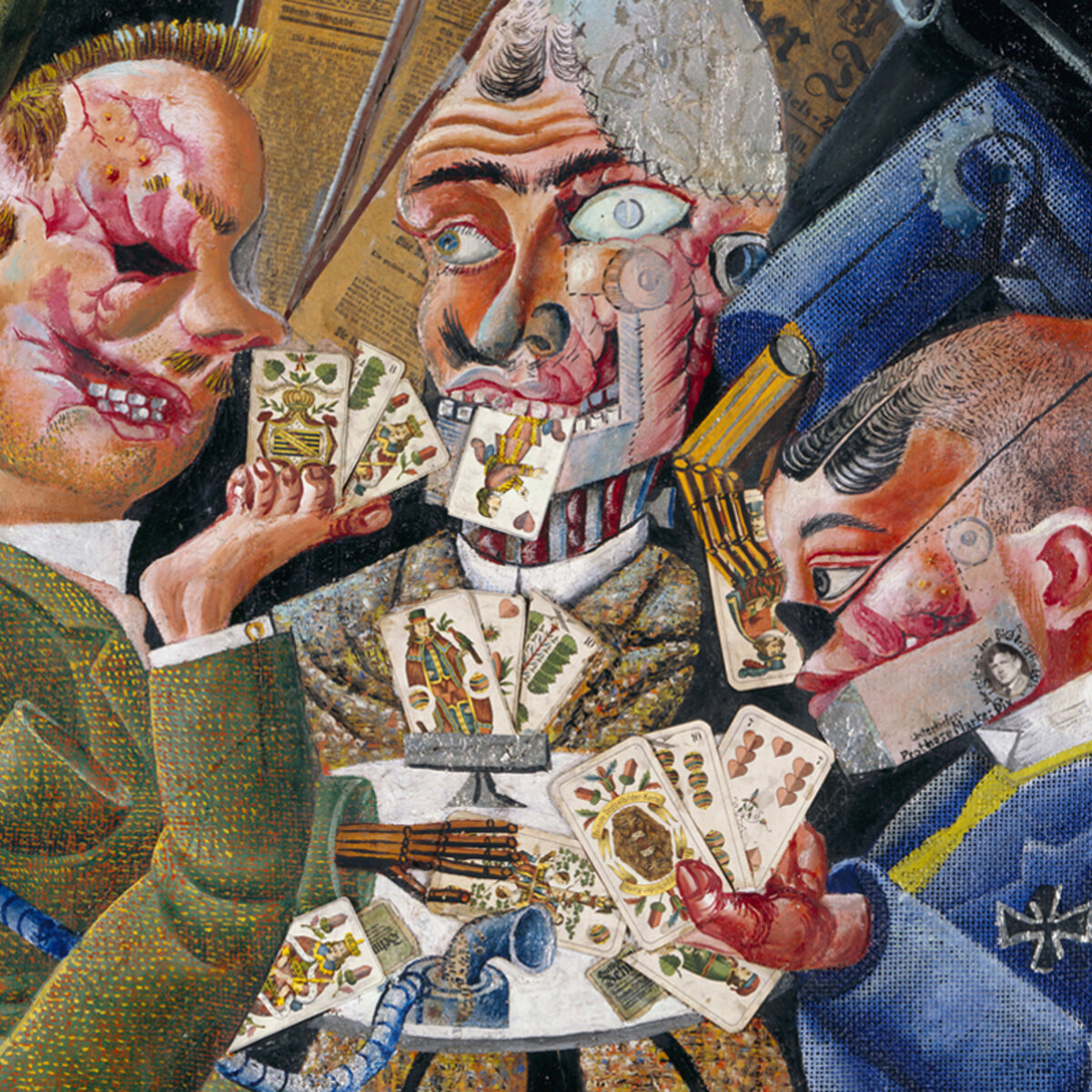
What elevates this exhibition far beyond a standard historical survey is its broad, immersive artistic scope, curated with intelligent precision to reflect the totalizing impact of the era. Eschewing the traditional limitation of hanging oil paintings on white walls, the collection encompasses a breathtaking array of media, including striking sculptures, pioneering photography, experimental film, and avant-garde design objects. This interdisciplinary curation mirrors the turbulent social and political shifts of the Weimar Republic itself, demonstrating how the machine age, shifting gender roles, economic collapse, and urban modernization permeated every single facet of creative production.
The exhibition captures the fascinating political evolution of the movement itself, charting its journey across a volatile decade. In its early, immediate postwar incarnation, New Objectivity was radical, biting, and fiercely leftist. Artists utilized their canvases as weapons of political warfare, producing scathing caricatures that exposed the hypocrisy of war profiteers, corrupt politicians, and a broken military establishment profiting off the blood of the working class. However, as the German economy experienced a brief period of stabilization under the Dawes Plan and democratic institutions found a temporary footing, the movement shifted its psychological register. The biting satire gradually gave way to a more stable, sober, and conservative focus, reflecting a society desperate for order, professional competence, and quiet normalcy even as political extremism lurked just beneath the surface.

At the heart of the gallery tour stand some of the most iconic, unforgettable masterpieces of modern art. Among them is Oskar Schlemmer’s mesmerizing Bauhaus Stairway, a work that captures the optimistic architectural and human geometry of the era's design philosophy. This is balanced by the searing, apocalyptic vision of George Grosz’s The Eclipse of the Sun, a devastating pictorial critique of militarism and political puppetry. Alongside these are the haunting, hyper-realistic portraits by Otto Dix, whose uncompromising renderings of war veterans, societal elites, and professional types exemplify the movement's obsession with formal technical precision and psychological exposure. Dix and his contemporaries did not merely paint portraits; they performed artistic autopsies on a society rushing blindly toward totalitarianism.
Though the historical trajectory of the Weimar Republic was ultimately swallowed by the darkness of the Nazi regime—which branded these visionary creators as purveyors of "degenerate art"—the legacy of New Objectivity proved impossible to erase. Its clinical framing, stark composition, and uncompromising commitment to truth continue to echo powerfully across modern photography, documentary film, and contemporary advertising. Running from February 20 through May 26, 2025, the Neue Galerie's exhibition does more than simply commemorate a century-old European art movement; it offers a transformational framing of our own turbulent modern anxieties. Through cultural understanding and strategic storytelling, the exhibition reminds us that when societies face deep structural crises, art's highest calling is not to comfort the afflicted with comforting illusions, but to hold up a mirror so sharp and clear that society has no choice but to confront its own reflection.