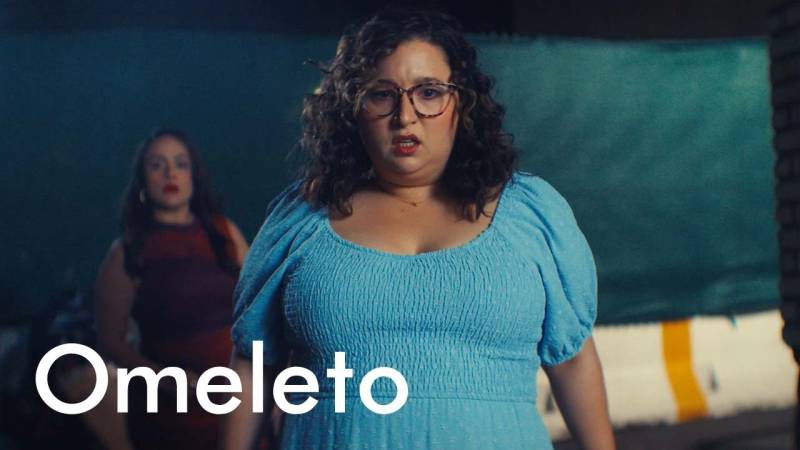
The shimmering, curated aesthetic of the TikTok generation often acts as a digital veil, hiding the messy, unvarnished realities of the youth who inhabit it. In NAY DAY, the latest drama-thriller from director Derek Ugochukwu, that veil is not merely lifted; it is violently torn away. The film presents a harrowing, deeply empathetic portrait of Naomi, a teenager whose existence is fractured between the desperate, colorful aspirations of digital stardom and the suffocating, grey reality of her home life. It is a story of quiet desperation and explosive retribution, serving as a chilling reminder that the lives of young women, so often dismissed by the machinery of society, carry an internal depth and capacity for resilience that can alter the course of justice itself.
At the heart of Naomi’s world is a domestic landscape defined by absence and disillusionment. Her home life is a study in emotional stagnation: a self-absorbed father who treats his daughter as little more than an extension of his shop’s inventory, and a mother whose faith has become a fragile shell, battered by the lingering trauma of the father’s past departure. In this environment, Naomi is an invisible figure, an adolescent searching for a language of self-expression that is consistently denied to her. Her TikTok channel is not just a hobby; it is a desperate attempt to be seen, to craft a version of herself that exists outside the crushing expectations of her immediate, claustrophobic reality.
Yet, the film’s true emotional anchor is found in the profound, symbiotic bond between Naomi and her best friend, Orla. Their friendship is the only authentic light in an otherwise dim narrative. Together, they function as a single unit, recording content, sharing dreams of an escape to London, and providing the essential, life-sustaining emotional support that Naomi is starved of at home. Through the lens of their shared aspirations, Ugochukwu highlights the innocence and the fierce loyalty of their youth. It is this very vulnerability, however, that makes the film’s subsequent descent into darkness so devastating. When Orla is snatched from Naomi’s life, the film undergoes a radical genre pivot, transforming from a tender character study into a visceral, pulse-pounding thriller.
The turning point is as brutal as it is familiar in our headlines: Orla is murdered, and the perpetrator, having been initially released on bail due to a systemic failure of evidence, remains free. This revelation is the catalyst for the film's chilling second act. We witness the agony of a justice system that favors the predator, and the mounting frustration of a society that offers nothing but platitudes to the grieving. NAY DAY captures the precise moment when grief hardens into resolve. Naomi, realizing that the mechanisms of law are indifferent to her loss, decides that she will not be another passive bystander in the story of her best friend's death.

Related article - Uphorial Shopify
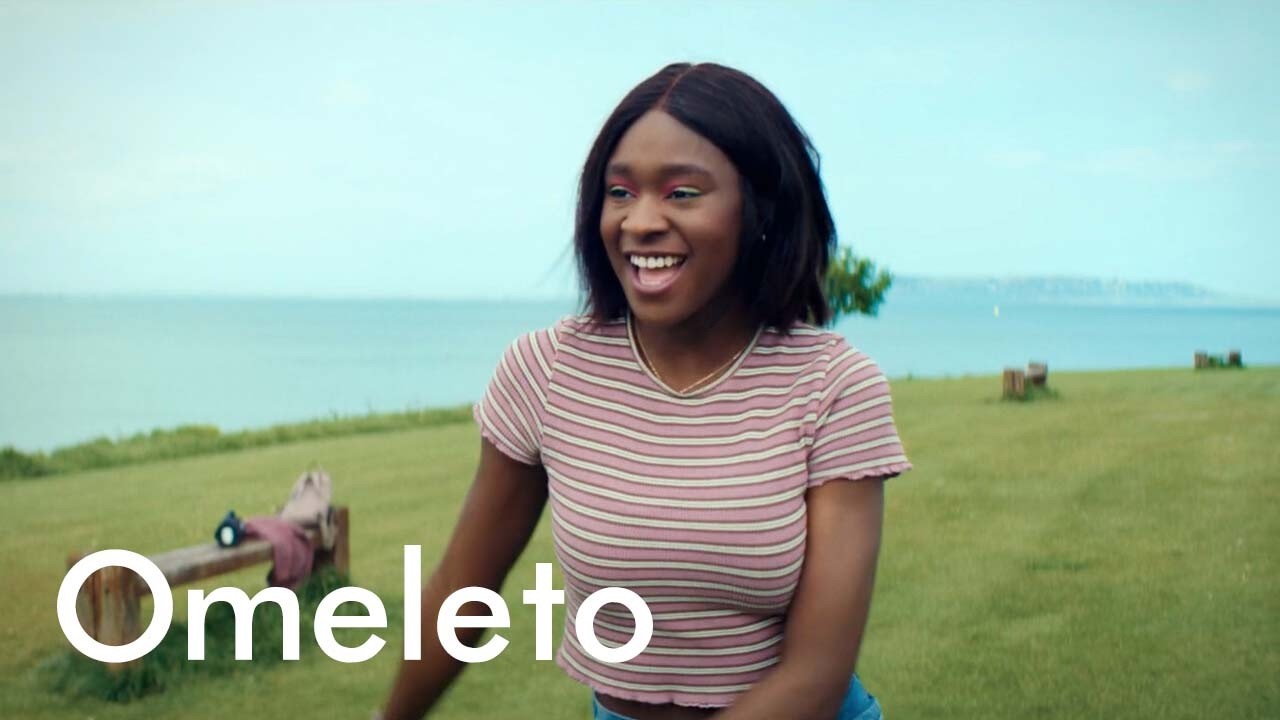
What follows is an exploration of the limits of agency. Naomi’s transformation from a teenager seeking likes to a figure of cold, calculating justice is handled with remarkable emotional precision. Ugochukwu avoids the tropes of standard vigilante cinema; there is no triumph here, only the grim necessity of an act that can never be undone. As Naomi takes matters into her own hands to ensure that the person responsible for Orla’s death faces consequences, the film challenges the audience to confront their own definitions of morality. She takes chilling measures to ensure that justice is not just a hope, but a finality, making it impossible for the cycle of violence to continue.
The genius of NAY DAY lies in its transformational framing of the "overlooked." By juxtaposing Naomi’s vibrant, performative online persona with the gritty, desperate actions she takes in the physical world, the film highlights a profound truth: the teenagers who appear to be distracted by their screens are often the ones most acutely aware of the failures of the adult world. Naomi is not a victim of her circumstances; she is a product of them, a young woman who has been forced to navigate a landscape that has systematically failed to protect her. The film serves as a poignant, uncomfortable exploration of what happens when the voices of the overlooked are finally forced to speak—not through words, but through action. Cultural understanding permeates every frame of the film, particularly in the way it handles the pressures placed on young women to be docile, forgiving, and quiet in the face of tragedy. NAY DAY rejects this narrative entirely. It is a bold, uncompromising piece of storytelling that demands to be seen. It asks us to consider how many Orlas are lost to the indifference of the state, and how many Naomis are left to pick up the pieces, forced to reinvent themselves in the aftermath of a trauma that no one else wants to acknowledge.
Ultimately, NAY DAY is a haunting, necessary film. It succeeds by grounding its thriller elements in the authentic, relatable struggle of a girl who just wanted to be something more than her circumstances. Derek Ugochukwu has crafted a narrative that lingers long after the credits roll—a story that balances the ephemeral nature of online fame against the permanent, earth-shaking reality of loss. In the silence that follows Naomi’s final act of justice, we are left to wrestle with a difficult question: if society refuses to provide justice for those it considers insignificant, who can blame them for finally deciding to seize it for themselves? The film is a chilling, masterfully executed testament to the power of the bond between friends and the lengths to which one will go to ensure that, in a world that often refuses to care, someone finally does.