DW Travel's recent visit to Munich's Oktoberfest, led by reporter Sarah Hucal, peels back the layers of the world-famous festival, revealing an event far more complex and family-oriented than its international reputation suggests. For Hucal, an American who has resided in Germany for over ten years, the experience was filled with surprises, challenging the common perception of Oktoberfest as merely an "alcohol-fueled party for adults". Her journey highlights that the festival is, at its core, a massive, free-to-enter fairground deeply rooted in celebrating Bavarian traditions, welcoming millions of visitors, including many families with young children. The vibrant atmosphere is immediately apparent, especially on the opening day, which features a grand parade of tent owners and event hosts arriving on ornate carriages, accompanied by brass bands, to kick off the 16-day celebration.
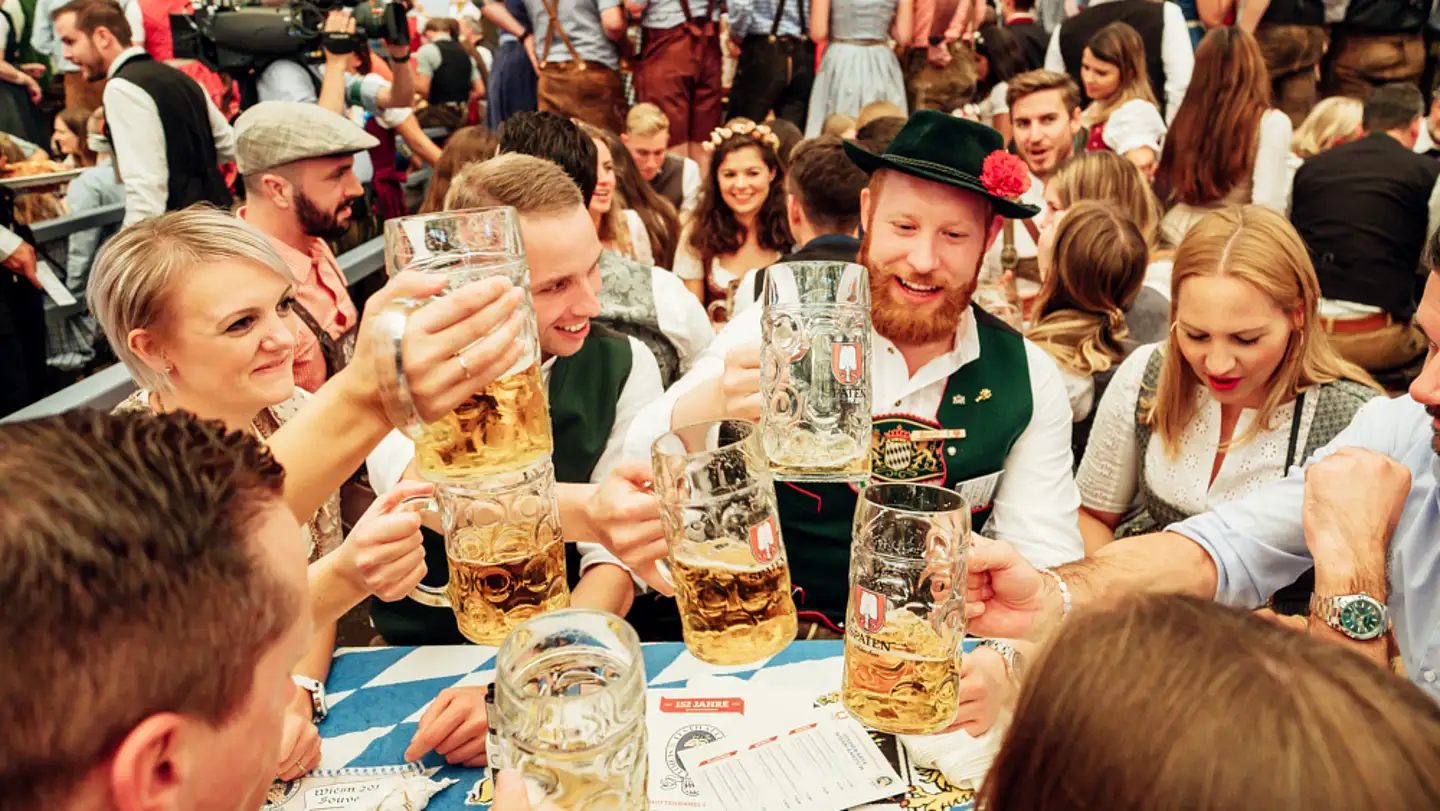
One of the most striking cultural elements, as Hucal notes, is the widespread adoption of traditional Bavarian attire. A vast number of attendees, both locals and tourists, proudly wear Dirndls and Lederhosen. While this might seem "bizarre" to someone from a city like Berlin, for Bavarians, this clothing is a significant part of their cultural life, worn not just for the festival but also for weddings, parties, and other special occasions. This embrace of tradition creates an immersive experience for the over six million people who attend annually, with tourists from the United States forming the largest contingent of international visitors. For many Bavarian families, attending is an annual tradition, a stark contrast to the once-in-a-lifetime party it might represent for tourists. The festival grounds themselves offer a "sensory overload" of activities beyond the beer tents, from thrilling rides blasting techno music to the unique and historic Teufelsrad, or Devil's Wheel, a spinning platform where the last person standing wins. Capturing the event's playful spirit, Hucal discovered the Weissbierkaroussell, a bar that is also a functioning carousel.

Related article - Uphorial Radio
The festival's rich history is showcased in a dedicated section called the Oide Wiesn, or traditional Oktoberfest. It is here that Sarah Hucal finds the answer to the common question of why a festival named "Oktoberfest" is predominantly held in September. The tradition began with the public wedding celebration of Crown Prince Ludwig von Bayern and Princess Therese von Sachsen-Hildburghausen in October 1810. The event proved so popular it became an annual affair and was later moved to September to benefit from better weather and longer daylight hours. This historical area retains a quirky charm with games over a century old, an old-school bowling alley known as a Kegelbahn, and spontaneous cultural moments, like a brass band playing in front of vintage tractors.
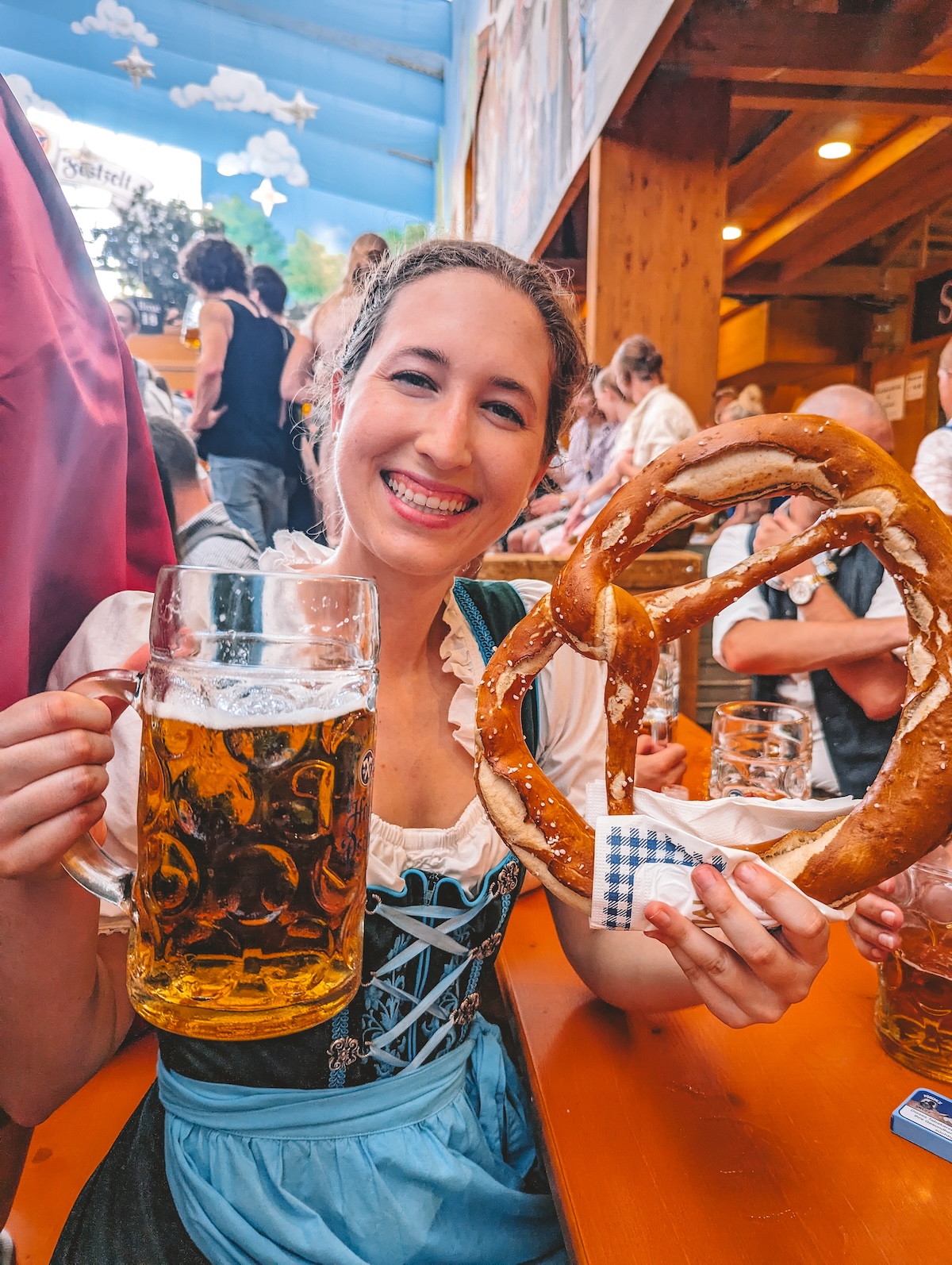
Of course, the iconic beer tents remain a central attraction. As documented by DW Travel, these are not mere tents but massive wooden structures, some capable of holding up to 10,000 people. Securing a spot inside requires planning; Hucal advises visitors to either reserve tables months in advance or arrive early to avoid long queues. Inside, the atmosphere is electric, described as a "huge giant melting pot" where people from all cultures come together to celebrate. The event is also a massive business operation, with waitstaff performing incredible feats of service. Oktoberfest waitresses are renowned for carrying numerous one-liter beer mugs, called Masskrüge, each weighing about two kilograms when full. One veteran server named Nadia, who has worked at the festival for two decades, explains that some experienced waitresses can carry up to 14 mugs at once. The job is a challenge, but she enjoys meeting people from all over the world. It's a demanding role paid on commission, so generous tipping is encouraged. The beer, a special Helles brewed for the festival, has about 6.2% alcohol content. While the price of a Mass (over two pints) is expensive by German standards, it is reasonable compared to many international events. Patrons are welcome to dance on the benches, but for safety reasons, dancing on the tables is strictly forbidden. Summing up her first experience, Sarah Hucal describes it as full of surprises, a blast filled with great people, good food, and amazing beer.