Los Angeles-based artist Mustafa Ali Clayton is bridging the gap between historical lineage and modern representation as he prepares a significant new commission for an exhibition at The Huntington. In a move that blends spiritual practice with social commentary, Clayton’s latest work aims to confront the historical invisibility of Black women within prestigious museum corridors, ensuring that his contemporary voice remains tethered to the giants of the Harlem Renaissance.
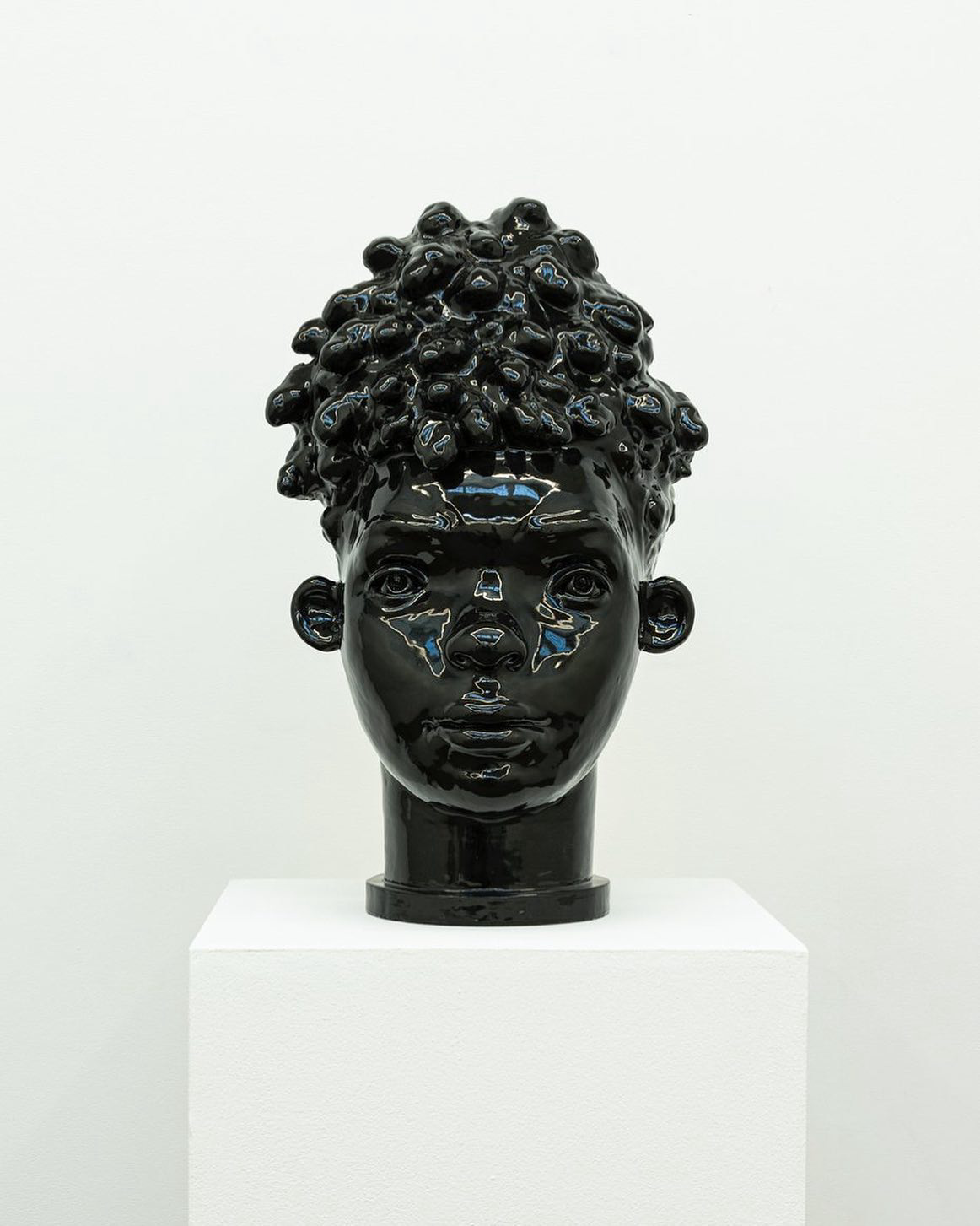
Central to Clayton’s preparation is a meticulous, organic artistic process that eschews mechanical speed for the intimacy of hand-building. The artist utilizes a traditional coiling technique, starting with a simple base of clay and building the structure upward, allowing the form to dictate its own evolution. Clayton describes this labor as a spiritual dialogue with the medium, noting that the physical instability of clay teaches a broader life lesson. For Clayton, the inherent risk of the kiln—where pieces can unexpectedly shatter—is an essential part of the work, forcing an acceptance of imperfection and the inevitability of loss.
Related article - Uphorial Shopify

The focal point of his upcoming showcase is a sculpture titled Ms. Lanise. The piece is intentionally designed to be "confrontational" in its presence, meant to engage directly with the viewer. Clayton notes that the work serves as a necessary intervention in spaces like The Huntington, where the historic lack of Black women as primary subjects has left a void in the narrative of American art. By placing Ms. Lanise in this high-profile setting, he seeks to recalibrate the museum’s subject matter to reflect a more inclusive reality.
Beyond the individual sculpture, Clayton views his residency and exhibition as an act of continuity. He cites the profound influence of Sargent Claude Johnson and Augusta Savage, pioneering Black sculptors whose work laid the foundation for his own practice. By drawing on their aesthetic and political legacies, Clayton frames his 2026 contributions not as an isolated achievement, but as the next chapter in a long-running story of Black artistic excellence. As he brings this historical lineage into a modern context, Clayton’s work stands as both a tribute to the past and a bold assertion of the future of representative art.