FIR PARK – The afternoon air at Fir Park carried the heavy, unmistakable scent of destiny, the kind of thick atmosphere that only manifests when the localized history of Scottish football is about to pivot on a single axis. On one side stood Motherwell, a club rooted in the proud, working-class soil of North Lanarkshire, playing not just for league positioning but for the foundational pride of a community that refuses to be overshadowed. On the other side was Celtic, a global sporting institution carrying the generational weight of its supporters, arriving with their domestic dominance teetering on the absolute edge of collapse. The math before kickoff was brutal in its simplicity; anything less than a victory for the Glasgow giants would effectively hand the Scottish Premiership crown to Heart of Midlothian without another ball being kicked. What followed across more than one hundred minutes of suffocating tension was not merely a football match, but a grand theater of human resilience, a cultural collision, and a profound exercise in strategic survival that will be discussed in pubs from the Gallowgate to the Clyde for decades to come.
From the opening whistle, the tactical blueprint from the hosts was clear, designed to exploit the psychological vulnerability of a Celtic side knowing that a single misstep would end their season. Motherwell did not retreat into a defensive shell; instead, they met the champions with a fierce, localized intensity that disrupted the visitors' rhythm and weaponized the anxiety filtering down from the away stand. The breakthrough arrived in the seventeenth minute, transforming the stadium into a cauldron of noise. Elliot Watt, embodying the fearless ambition of the underdogs, seized upon a momentary lapse in the Celtic midfield, driving forward with an uncompromising purpose. His strike was true, catching the Celtic goalkeeper out of position and rippling the back of the net to put Motherwell ahead. For the next twenty minutes, the champions looked entirely unmoored, their passing uncharacteristically fragile, their body language suggesting a team suffocating under the immense historical pressure of their own shirt.
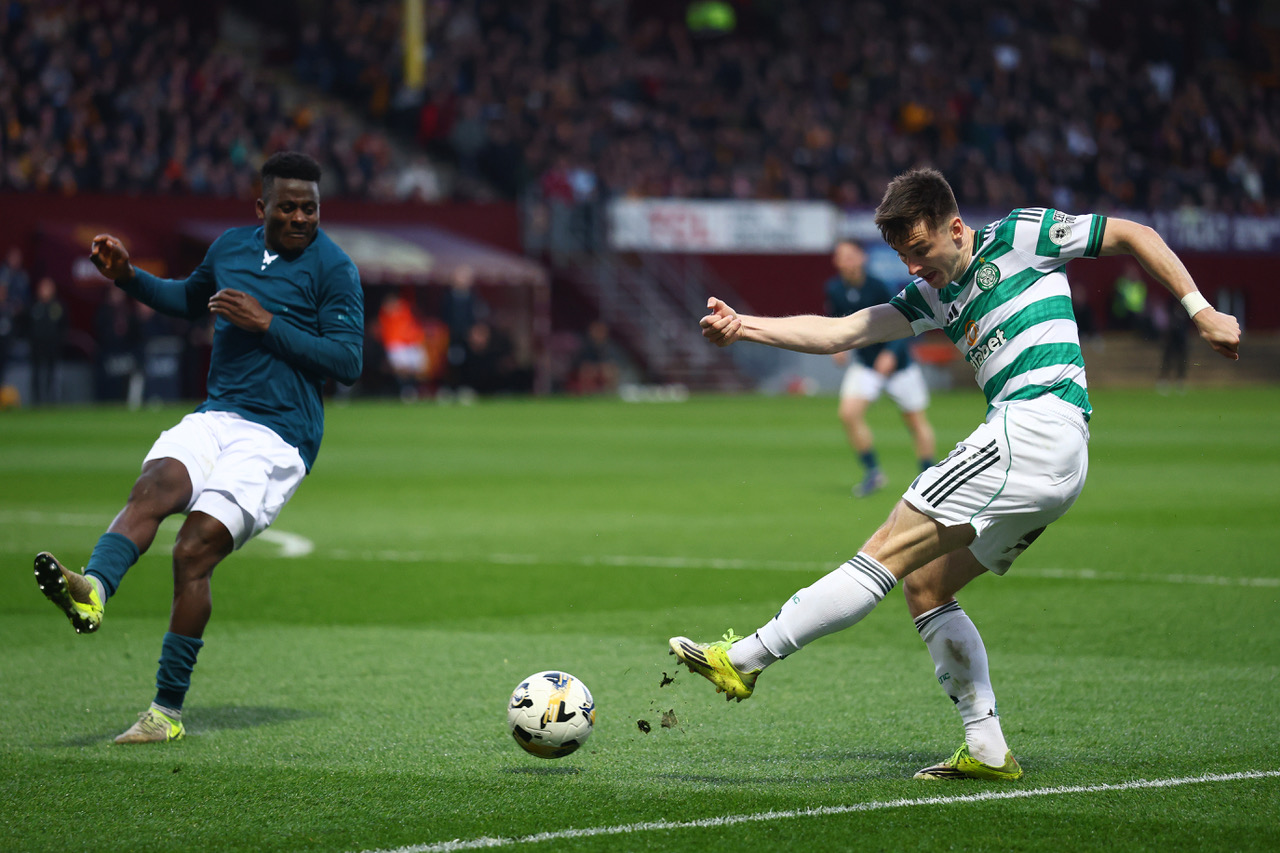
Yet, true footballing institutions are defined by how they curate their response to disaster, and Celtic possesses a structural memory of winning that cannot be easily erased by an early deficit. As the first half drew toward its conclusion, the visitors began to reassert control, shifting from panicked individualism to a highly calculated, possession-based suffocating style. The architect of this restoration was Daizen Maeda, a player whose tireless running often mirrors the relentless work ethic demanded by the Celtic faithful. In the forty-first minute, Maeda found the space he had been denied all afternoon. Lunging onto a precise cross, he redirected the ball past the Motherwell custodian with an emotional intensity that seemed to pull the entire Celtic season back from the abyss. The equaliser did more than level the scoreboard; it recalibrated the psychological equilibrium of the entire afternoon, sending the sides into the interval with the momentum completely reversed.
Related article - Uphorial Shopify

When the teams returned to the pitch, Celtic looked like a side that had looked into the void during the halftime talk and chosen to rewrite their own narrative. The tactical adjustments were immediate, stretching the Motherwell defensive line and forcing the hosts into deeper, more exhausting tracking runs. The reward for this strategic patience arrived in the fifty-eight minute through Benjamin Nygren. Displaying a level of technical poise that defied the high-stakes environment, Nygren executed a brilliant finish that left the home defense stranded. The away end erupted into a sea of green and white celebration, a collective release of tension that had been building for weeks. At two-one up, Celtic looked to have successfully navigated the crisis, controlling the tempo of the match and deflating the Motherwell press with arrogant, champions-style retention.

However, Scottish football possesses a unique cultural DNA where nothing is surrendered easily, and Motherwell refused to act as the compliance extra in Celtic’s championship script. As the clock ticked past the eighty-minute mark, the home side summoned a final, desperate surge of energy, driven by the roar of a home support that demanded a grandstand finish. In the eighty-fifth minute, that defiance crystallized into pure sporting drama. A set-piece delivery caused chaos in the Celtic penalty area, and Liam Gordon reacted quickest, sweeping the ball home to make it two-two. The goal felt like a fatal blow to Celtic's entire campaign; the stadium shook as the Motherwell players celebrated a goal that seemingly delivered the league title directly into the hands of Hearts, leaving the Celtic players slumped on the grass in collective despair.
What occurred in the absolute twilight of the match, however, transcended regular sporting reporting and entered the realm of mythic storytelling. With the game entering nine minutes of added time, Celtic threw every remaining resource forward, abandoned all defensive pretense, and engaged in a desperate assault on the Motherwell goal. In the ninety-ninth minute, a scrambled play inside the box led to furious appeals for a handball against a Motherwell defender. The stadium fell into a dead, agonizing silence as the referee was called to the monitor for a lengthly Video Assistant Referee review. The tension during those minutes was palpable, a frozen moment in time where the entire destiny of a football season hung on a pixelated replay screen.
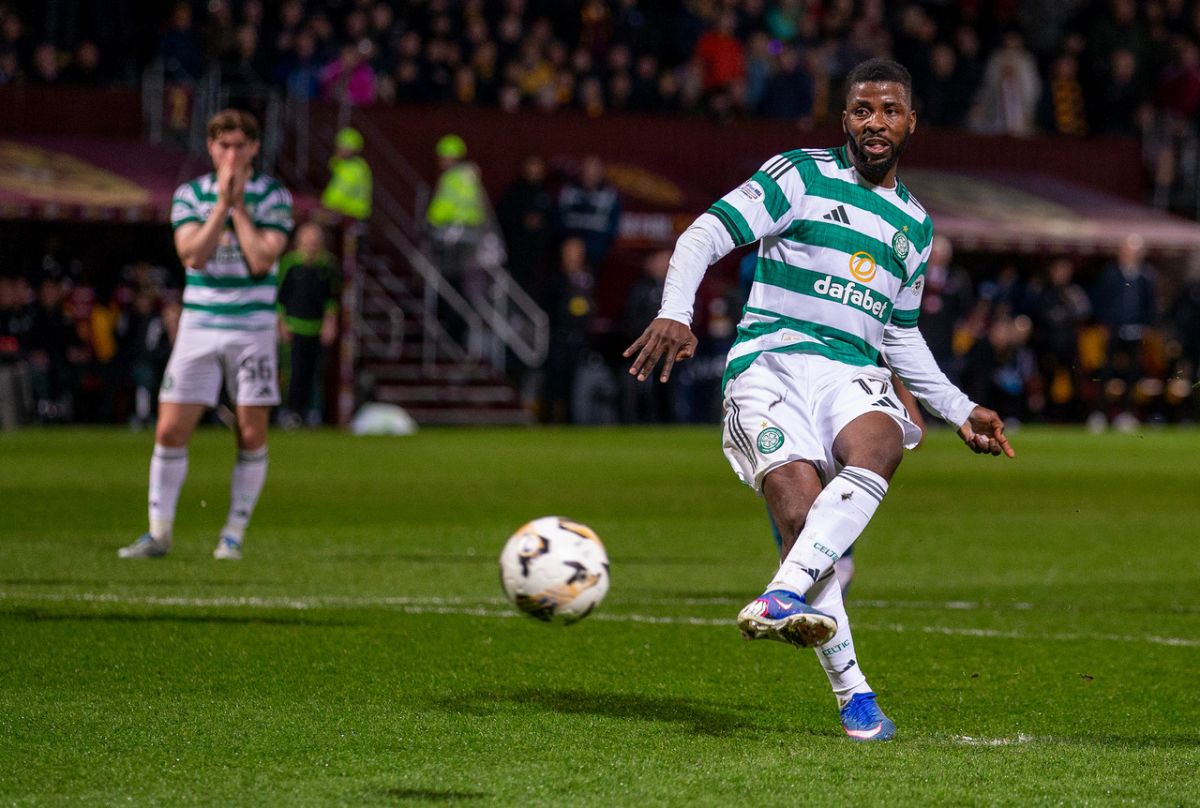
When the referee finally pointed to the penalty spot, the emotional landscape of Fir Park fractured completely into polarized extremes of fury and ecstasy. Step forward Kelechi Iheanacho, a player brought to the club precisely for moments where history demands an iceman. Standing over the ball in the ninety-ninth minute of a match that defined a season, Iheanacho showed no hint of the chaos surrounding him. With a calm, calculated approach, he coolly converted the penalty, sending the ball into the net and sparking scenes of unbridled pandemonium in the stands. The final whistle blew moments later, confirming a three-two victory that represents far more than three points. This was a transformational afternoon for Celtic, a resurrection that keeps them just one point behind the league leaders and sets up a winner-takes-all final day showdown at Parkhead, where the ultimate prize awaits.