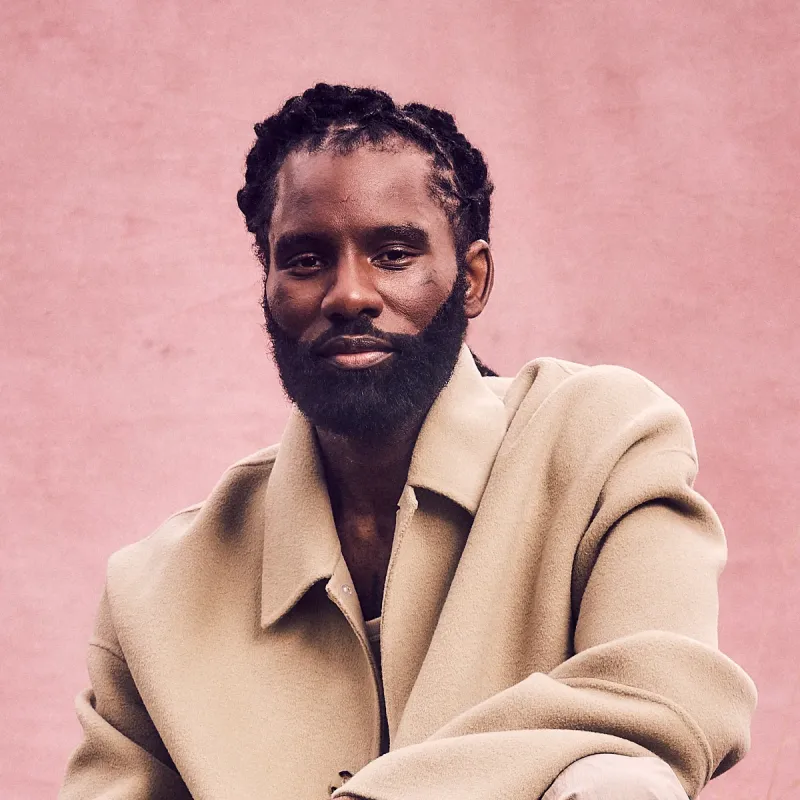
Professional men, including host Ebuka Obi-Uchendu, co-host Banky Wellington, artist and activist Seun Anikulapo-Kuti, and creative entrepreneur Noble Igwe, recently engaged in an open and honest conversation about the profound pressures, pride, and pitfalls faced by Nigerian men in the context of money and masculinity on the program MENtality with Ebuka. The panel concluded that respect in Nigeria is fundamentally monetary, driving intense pressure to succeed regardless of the means.
This environment of hyper-materialism was dramatically illustrated by Ebuka's story about an extended family member, in his late 20s, who staged his own kidnapping to demand 20 million naira from his family, highlighting the extreme measures men take under pressure.
Seun Kuti emphasized that this societal demand for wealth is deeply entrenched. He argued that the general populace often ignores the origin of wealth because life is tied to wealth and the natural instinct of a human is what drives the deepest part of the psyche. He posited that the lack of honor among rich men, such as politicians in their 40s and 50s competing with young men for companions, puts young men under immense financial pressure. Kuti asserted that if security agencies, institutional gatekeepers, and even the church do not reject ill-gotten gains, citizens have no incentive to stop acts like fraud, or "Yahoo Yahoo". He went further, provocatively suggesting that 9-to-5 jobs might be “more criminal than the Yahoo job”. Kuti firmly believes that Nigerians who have acquired things should stop imagining they are going to fall back into poverty, as they must now focus on removing others from that situation. He insisted that masculinity is about protecting one's society and working for the liberation of the Nigerian people from oppression. He believes his liberation work involves organizing with like minds and is not tied to his surname or money. Kuti’s stance on vulnerability was unique: he believes men should take their problems to a paid therapist, urging, "Stop burdening your niggers with your problems," because friends have their own issues and are not therapists.

Related article - Uphorial Shopify

MENtality With Ebuka: ft Banky W, Seun Kuti & Noble Igwe

Banky Wellington agreed that the core issue is the Nigerian idea that riches are accorded respect, even if acquired by stealing, stating that society celebrates "enterprise without some sort of root". Banky W, who is a person of faith, raised the crucial question: Is a man's worth in Nigeria tied to his income-earning ability? He and the other panelists agreed that, sadly, it is, though they wished it were not. He identified the internal pressure to "be doing better" as the worst form of anxiety a man faces, especially if he has children. Banky W discussed how religion is complicit in fueling these expectations through the misinterpretation of scripture. Specifically, he addressed the common use of 1 Timothy 5:8, which says a man who fails to provide for his household "is worse than an infidel". Banky W clarified that in context, the verse was Paul warning Timothy against neglecting one’s family in favor of religious service, not criticizing men who genuinely lack income. He acknowledged that religion is weaponized when people "take something either out of intentional manipulation or out of just pure ignorance". Regarding his personal finances, Banky W shared that he is entirely transparent with his wife, who knows everything he makes, stating he "doesn't have a problem showing everything". He noted that younger generations appear more open to their wives earning more, referencing a random poll where 56% of respondents were "totally okay" with it. Banky W concluded that a man's worth is more than his ability to earn and spend money, emphasizing that "the gift of fatherhood is that just by being present you're a superhero".
The panelists acknowledged that pressure also stems heavily from societal expectations and social media, which exposes men to constant, global comparisons. Noble Igwe highlighted that unlike overseas, where talent alone might sustain a small family, in Nigeria, everything must be paid for in cash, creating intense pressure to amass wealth. This materialistic obsession is reinforced by the music industry, where lyrics frequently glorify possessions like Lamborghinis and Rolexes. The men also discussed the reality of "black tax," where successful individuals are expected to care for extended family and friends, further complicating financial pressures. Ultimately, the men agreed on the urgent need for Nigerian men to "commune" and talk about their issues, moving away from the toxic notion that vulnerability is weakness, and redefining masculinity by focusing on integrity, loyalty, and honor over external acquisitions. This pursuit of external validation, whether it's through accumulating yam tubers or a new Benz, stifles the ability of men to experience and express authentic worth.