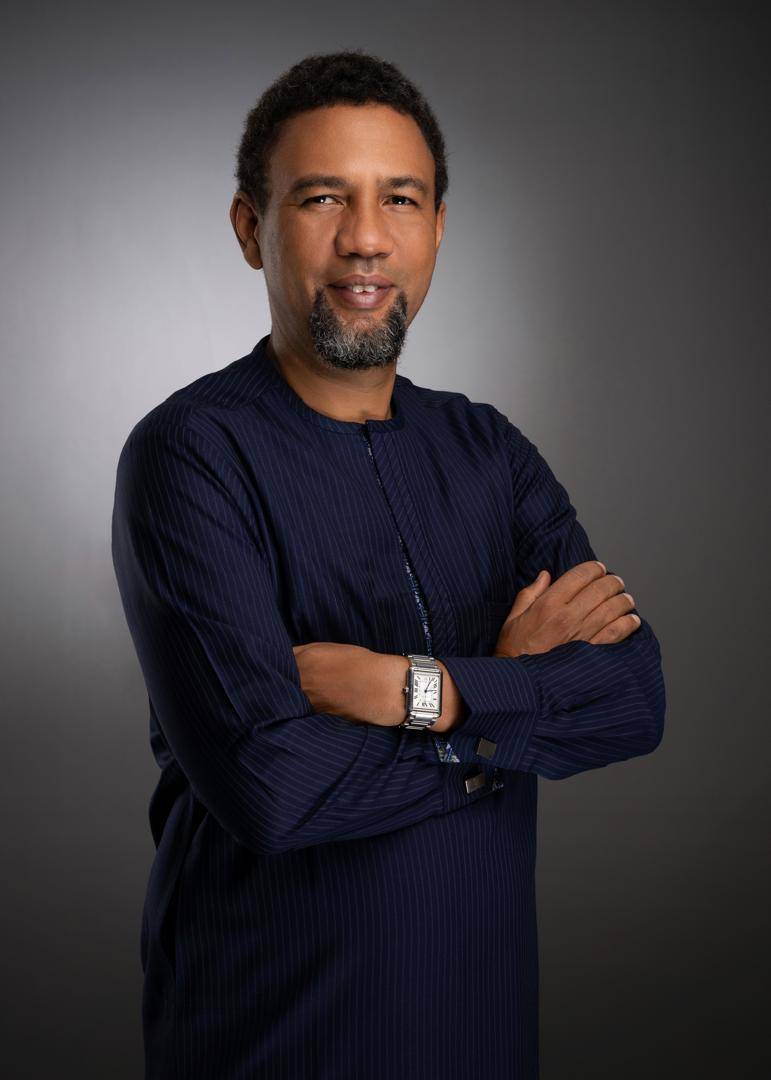
POLAND – The technological leap from a monotone Polish narrator to a global leader in synthetic speech is not merely a story of improved algorithms, but a fundamental reimagining of the human-computer relationship. Mati Staniszewski and his team at ElevenLabs have moved beyond the "robotic" phase of AI, focusing their research on the "Vocal Turing Test." This benchmark is significantly higher than simply producing clear speech; it requires the AI to master the subtle, subconscious cues of human communication—the slight tremor of excitement, the weary sigh of exhaustion, or the empathetic lilt of a comforting friend. By conquering these emotional micro-expressions, Staniszewski believes voice will transition from a utility into a truly intuitive interface that allows technology to finally disappear into the background.
This vision of voice as the "next fundamental interface" suggests a departure from the glass-slab era of smartphones and laptops. Staniszewski envisions a world of "invisible computing," where wearables like smart glasses and unobtrusive earpieces serve as the primary gateways to digital intelligence. In this future, interaction is dictated by natural conversation rather than menu navigation. Whether it is a real-time translation device that allows two people to speak different languages without a visible screen between them, or an AI tutor that can sense a child’s frustration through their vocal tone and adjust its teaching style accordingly, the goal is to create a digital companion that understands the "how" of speech as much as the "what."
Internally, ElevenLabs has constructed a corporate engine designed specifically to sustain this high-velocity innovation. Their "remote-first" and "title-less" structure is a deliberate experiment in organizational psychology. By stripping away traditional hierarchies, the company aims to eliminate the "ego friction" that often slows down major tech firms. Staniszewski emphasizes that their hiring process looks for "builders" who have a documented history of excellence, regardless of whether that excellence came from a traditional university or an independent project. This focus on raw output and autonomous problem-solving allows the company to operate with a lean, highly efficient team that can pivot as quickly as the AI landscape evolves.

Related article - Uphorial Shopify

The company’s product philosophy further distinguishes it from its competitors by collapsing the wall between the laboratory and the marketplace. In many tech giants, researchers work in isolation, handing off their findings to product teams months or years later. ElevenLabs forces their researchers to be product-focused, ensuring that every breakthrough in model architecture is immediately tested against the messy, unpredictable demands of the real world. This tight feedback loop means that when a user interacts with an ElevenLabs voice, they are hearing the results of a model that has been stressed-tested by millions of daily users, rather than one that has only existed in a sterile, controlled environment.
Finally, the roadmap for the future of audio at ElevenLabs extends far beyond the human voice. The ultimate goal is the creation of a "Unified Audio Model"—a single, multimodal engine capable of generating everything from a full symphonic score to the ambient rustle of leaves or the roar of a stadium. Staniszewski sees a future where audio is no longer a secondary file format but an information-rich modality that can be manipulated and generated with the same ease as text. By unifying voice, music, and sound effects into one coherent system, the company is positioning itself to provide the entire "soundtrack" for our digital lives, fundamentally changing how stories are told and how humans experience the world through sound.