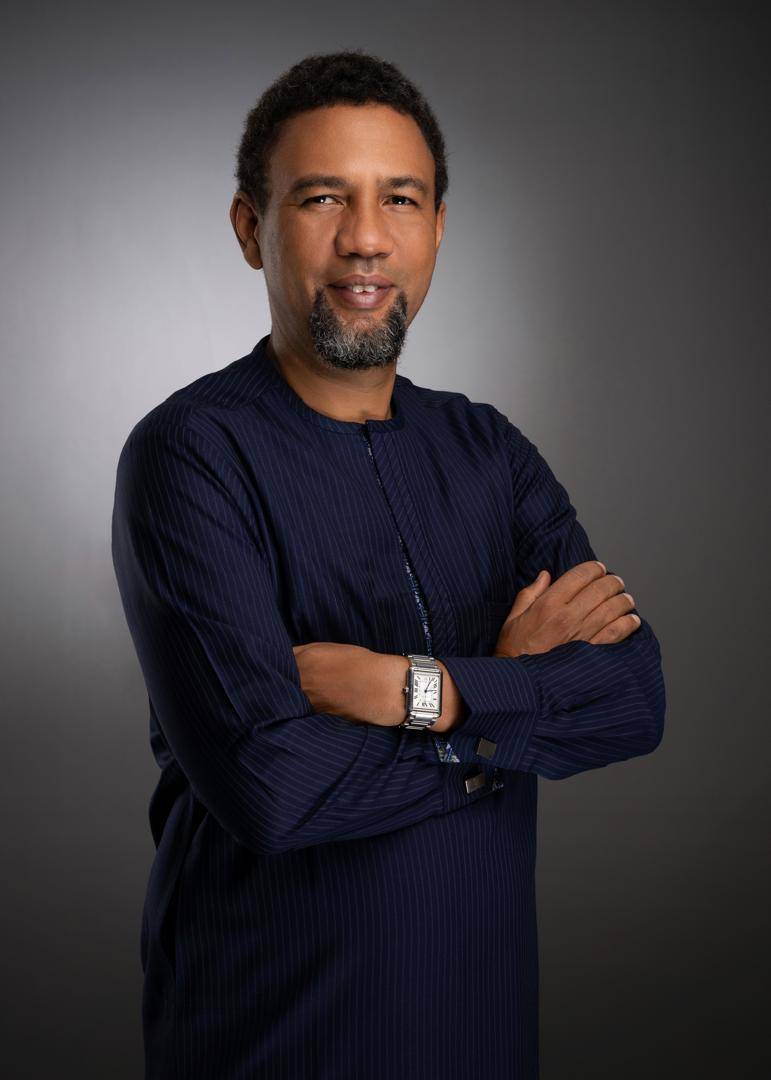
The evolution of global music has reached a definitive crossroads as 2026 approaches, with Afrobeats standing as the primary case study for how a regional sound transforms into a permanent global pillar. In the latest installment of Martell’s Swift Conversations, host Adesope Olajide engaged in a comprehensive dialogue with renowned music executive and cultural strategist Gracey May, dissecting the intricate machinery behind the genre's current dominance and the strategic shifts required to ensure its survival through the next decade.
As the conversation opened, May observed that the genre has entered a critical transition period, now navigating its fifth or sixth consecutive year of chart-topping global influence. However, she warned against the complacency that often follows rapid success. The current landscape, according to May, must move away from a reliance on fleeting viral moments and toward the construction of sustainable ecosystems. While the world has embraced the "Afrobeats" label, the internal challenge remains one of identity and balance. There is a growing tension between genre-blending—where artists fuse R&B and other Western styles to broaden appeal—and the imperative to remain rooted in the authentic, percussive sounds that birthed the movement.
The dialogue deepened into the complexities of market dynamics, specifically the persistent wall between linguistic regions. Despite the global appetite for African sounds, Francophone artists continue to find the transition into Anglophone markets a significant hurdle. May suggested that this is not a deficit of talent, but a lack of deliberate infrastructure. She argued for a more aggressive approach to local touring, media engagement, and the building of tangible brands that resonate beyond the audio file. To maintain longevity, May posits that African artists can no longer exist solely within the confines of music; they must become visible across five essential pillars of culture: fashion, sports, film, technology, and lifestyle.

Technology’s role in this expansion remains a double-edged sword. While TikTok has effectively democratized the industry, allowing independent artists to bypass traditional gatekeepers, May offered a sobering warning. The "viral trap" often produces hits without building fanbases. Without an underlying business strategy that converts a 15-second soundbite into a lifelong listener, an artist's career can be as ephemeral as a digital trend. Her solution for the modern artist is a shift toward vulnerability. In an era where audiences crave connection, the old-school "mystique" of the untouchable superstar is being replaced by a demand for authenticity.

Perhaps the most striking evidence of the continent’s shifting power dynamics is the meteoric rise of Amapiano and the elevation of DJ culture. May highlighted the historic milestone of South African DJs headlining a 70,000-capacity stadium, a feat previously reserved for vocal superstars. This shift signifies a new reality where the curators and creators of the "vibe" are now central figures in the industry, proving that the African music economy is diversifying its talent exports beyond just singers and rappers.
The conversation also touched on the mechanisms of international validation. As a voting member for prestigious bodies including the Grammys, BRITs, and MOBOs, May provided an insider’s perspective on the role of awards. Rather than seeing them as the ultimate goal, she described these accolades as a "temperature check" for market penetration. These milestones serve as a bridge, providing the necessary leverage for artists to secure deeper global expansion and institutional support in foreign territories.
However, internal unity remains the most potent tool for African music’s progression. The episode celebrated recent high-profile reconciliations that have sent shockwaves through the industry, such as the public unity between Tiwa Savage and Yemi Alade, and the monumental stage reunion of Ghanaian titans Sarkodie and Shatta Wale. These moments, May noted, reinforce a growing realization across the continent: collaboration is significantly more profitable and powerful than competition.
In a powerful closing sentiment, the discussion turned toward the necessity of domestic investment. Using Davido’s recent nationwide tour of Nigeria as a benchmark, May and Olajide praised the move as a "gold standard" for the industry. By bringing international-standard production to local stages, Davido has set a precedent that high-quality infrastructure must start at home. The ultimate takeaway of the session was clear: while the world is watching, the future of Afrobeats depends on how well the industry nurtures its roots, invests in its local fans, and builds a professional framework that can support the weight of global stardom.