BATUMI – In the theater of elite athletics, few disciplines demand the brutal fusion of psychological fortitude and raw physical mechanics quite like Olympic weightlifting. The 2026 European Weightlifting Championships served as a definitive report on the current state of continental power, providing a masterclass in emotional precision as the world’s strongest men converged to test the limits of human capacity. Through an intelligent curation of performances ranked by the Sinclair formula—a mathematical equalizer that measures pound-for-pound efficiency—the event emerged not just as a sporting contest, but as a strategic storytelling of resilience and technical mastery. As the dust settled in the arena, the narrative of the championships was defined by a transformational framing of what it means to perform under the crushing weight of expectation, proving that the distance between a failed lift and a European record is often measured in the quietest moments of mental clarity.
The narrative arc of the competition was ignited by the explosive presence of Gor Sahakyan, whose performance in the snatch set a high-stakes tone for the remainder of the rankings. Sahakyan’s ability to lead his competitors with such a brilliant opening display served as a cultural understanding of the importance of momentum in the weightlifting world. His lifts were not merely movements; they were declarations of intent, forcing his rivals to play a game of catch-up from the very first pull. This early dominance provided a strategic framework for the event, illustrating that in the snatch, the first successful lockout is as much a psychological blow as it is a physical achievement.
As the competition intensified, the report on technical excellence shifted toward the middle-weight categories, where speed and power collided in a tight battle for supremacy. Ivan Dimov emerged as a standout protagonist in this chapter, showcasing a masterclass in kinetic velocity. Setting personal bests under the bright lights of the European stage, Dimov’s performance was a study in intelligent curation of effort; he knew exactly when to push the boundaries of his capacity and when to rely on the polished mechanics that have become his trademark. His battle for the top spot provided the kind of high-drama competition turns that define the European circuit, reminding the audience that at this level, the difference between gold and silver is often found in the speed of the transition under the bar.
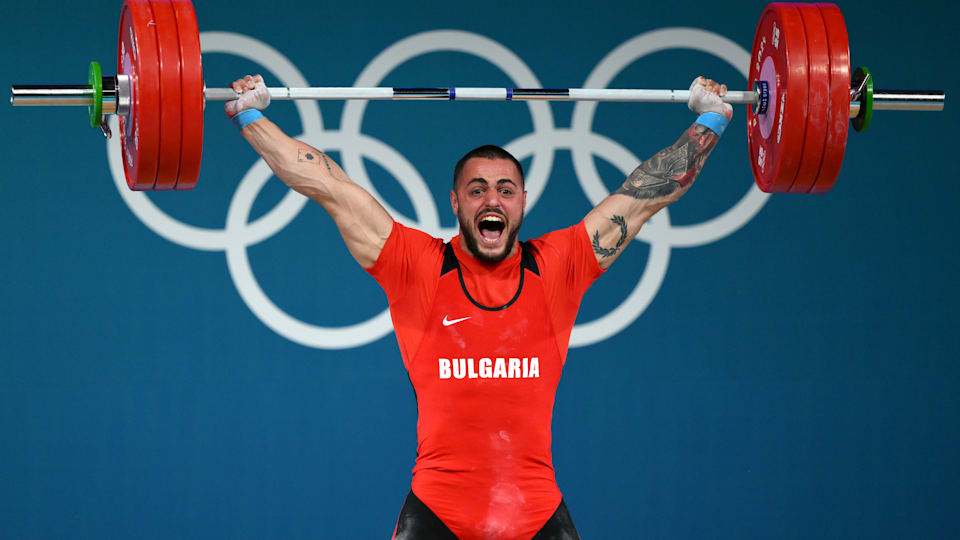
Related article - Uphorial Shopify
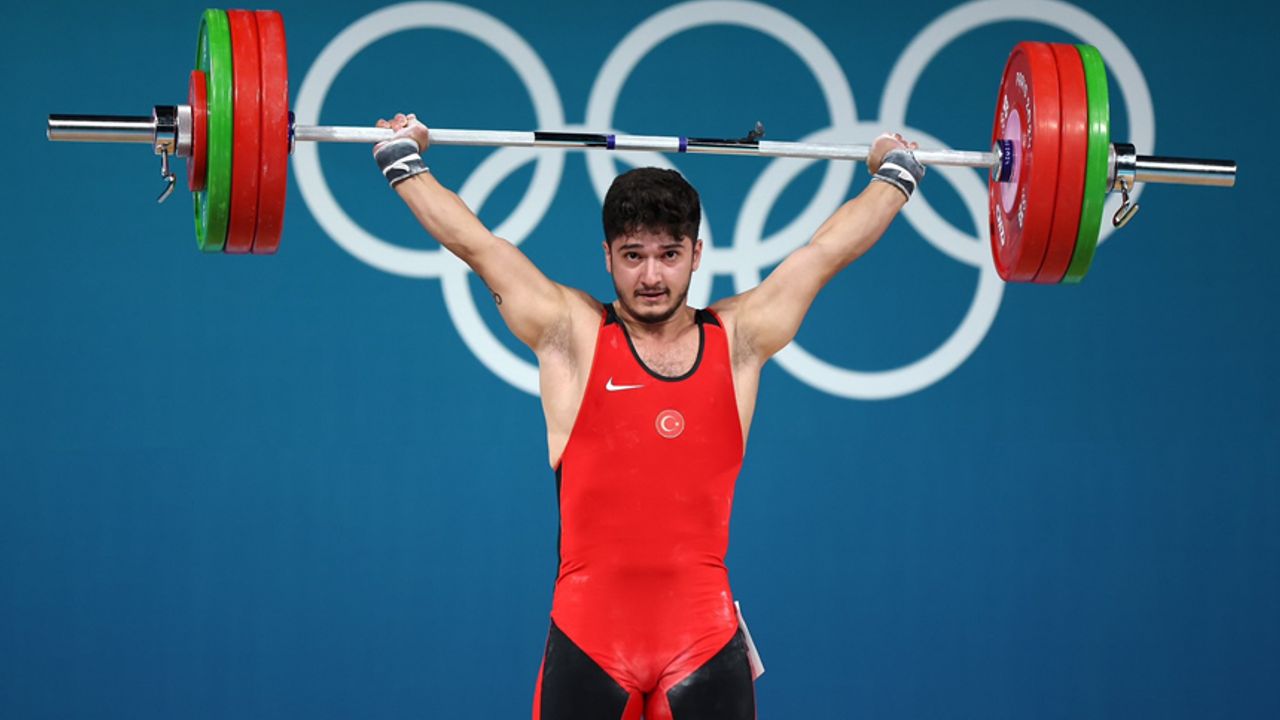
The emotional precision of the championships reached a crescendo with the performance of Muhammed Ozbek. Following what had been described as a challenging and tumultuous year, Ozbek’s return to the top of the podium as European Champion was a visceral lesson in professional resilience. His performance was characterized by a rare ability to perform under extreme pressure, transforming the setbacks of his past into the fuel for his present success. By navigating the high-stakes environment of the clean and jerk with such poise, Ozbek provided a transformational framing of the "comeback" narrative, asserting that the true measure of a champion is found not in their undefeated streaks, but in their ability to reclaim their throne after the world has counted them out.
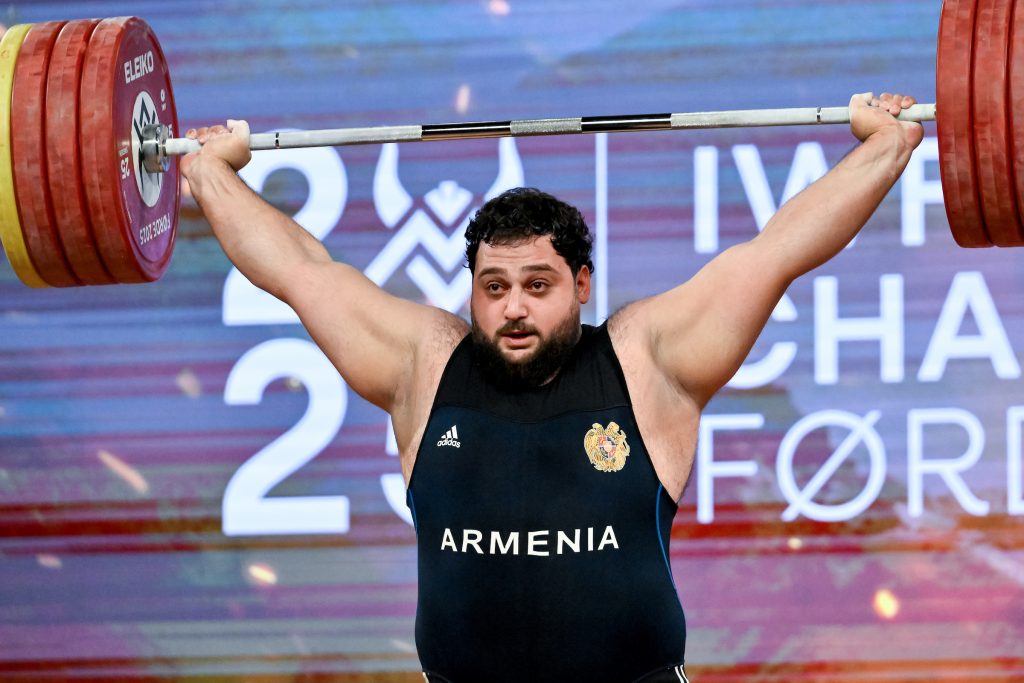
While Ozbek provided the emotional anchor, Marin Robu provided the historic highlight, making global headlines with a massive 173kg European record in the snatch. This lift served as a profound strategic storytelling moment, a singular feat that recalibrated the expectations for his weight class. Robu’s record was not just a win; it was a cultural milestone for European weightlifting, a display of strength so profound it seemed to suspend time. This technical masterpiece was complemented by the work of Hristo Hristov, who became a focal point of the report for his incredible, almost supernatural ability to "save" lifts that appeared lost. Hristov’s knack for correcting his positioning mid-lift to establish new competition records provided a visceral reminder that weightlifting is as much about the "fight" as it is about the "form."
The super heavyweight category, often the crown jewel of any strength competition, found its definitive voice in Varazdat Lalayan. A powerhouse whose presence on the platform commands a specific kind of silence, Lalayan demonstrated why he is consistently ranked among the strongest men on the planet. His performance was an intelligent curation of massive weights handled with a deceptive, almost casual ease. Beside him in the upper rankings, Karlos Nasar continued his trajectory as one of the sport's most consistent and precise performers. Nasar’s ability to execute complex lifts with surgical accuracy has become a primary cultural reference point for the younger generation of lifters, proving that longevity in the sport is built on the foundation of technical flawlessness.
The lower half of the top ten was populated by athletes who navigated the "dramatic competition turns" with tactical genius. Yusuf Genc successfully steered through his snatch attempts to stay within striking distance of a title, a move that required a deep understanding of the scorecard and his own physical limits. Similarly, Luis Lauret pushed the limits of the competition with a masterful display in both the snatch and the clean and jerk, while Garik Karapetyan secured his medals through a series of impressive technical lifts that emphasized the beauty of the sport’s mechanics over raw aggression. Each of these performances contributed to a broader report on the diversity of talent currently residing within the European Weightlifting Federation. Ultimately, the 2026 European Weightlifting Championships confirmed that the sport is in the midst of a technical renaissance. The Sinclair rankings provide the data, but the stories of men like Ozbek and Robu provide the soul. The event was a testament to the idea that weightlifting is a language of the human spirit—a way to speak about courage, discipline, and the persistence of the will without saying a single word. As these athletes look toward the global stage, they leave behind a definitive record of a continent that remains the undisputed heartbeat of the weightlifting world.