The first time I truly noticed KiKi Layne wasn't on screen or magazine covers, it was in a rare stillness between frames, where her presence did more than consume the shot. She wasn't just performing; she seemed to be searching, coaxing strength from places we’d never thought to look. That quiet moment, that flicker in her eyes, has carried her from Beale Street into The Old Guard 2, and into something deeper still.
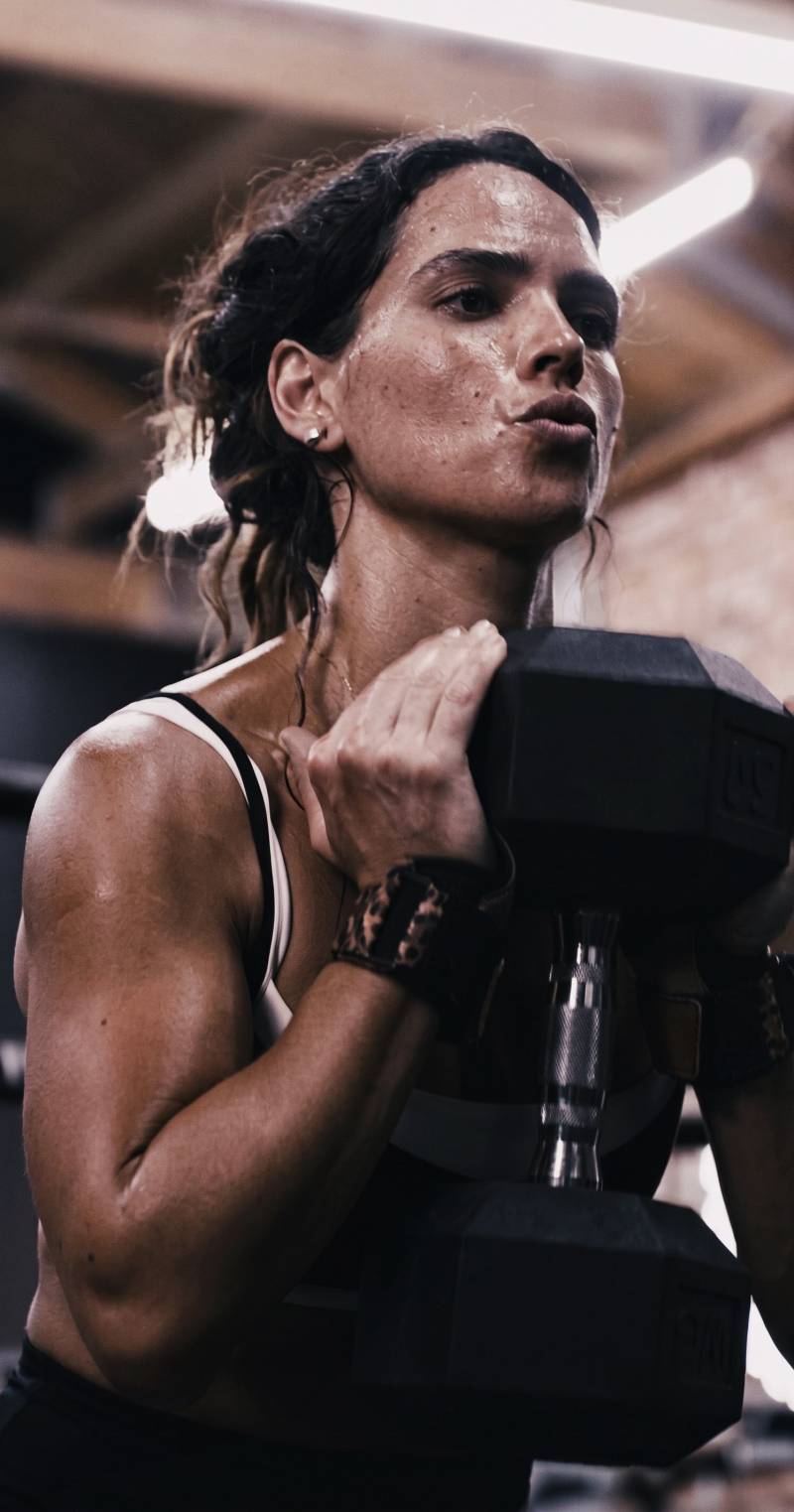
We know the headlines: she trained relentlessly, boxing met strength training in her daily rituals, squats and curls becoming part of her language. In the latest Women's Health, she’s candid: “I love boxing,” she says, and credits it as the foundation for her fight-ready self in the sequel, each jab etched with intent.
But beneath the gloves, there's narrative alchemy. In The Old Guard 2, released July 2, 2025, on Netflix, KiKi returns as Nile, an immortal warrior whose physicality has become as integral to her story as her choices. It's a performance carved from labor, not just gym labor but emotional labor.
Related article - Uphorial Radio

Women's Health - KiKi Layne

Women's Health
Her preparation isn't the typical “get fit for a part” routine. It's unlearning passivity, boxing isn't about perfection; it's about engagement, energy, and demand. And when she reflects on what the sequel means, she doesn’t lean into spectacle, but legacy: “It’s a lot of time in the gym. Strength training, cardio, just trying to get into better shape.” There’s spark in those words—intimacy in effort.
The transition from college drama student to nuanced action hero didn’t happen overnight. The stage was her training ground, but becoming Nile required more than acting—it required harnessing physical truth. She has often spoken about building strength from scratch, working with top fight coordinators to discover her lethal left hook.
And yet, amid bars and bench presses, Layne is still plotting bigger: she’s “actively plotting” to play X-Men’s Storm, a role that would bring her full-circle into iconic territory, lightning-charged, regal, and unapologetically Black.
If you follow the arc—from Beale Street, to The Old Guard, to this moment, you see how she’s learning to stand not behind characters but beside them, in the mythos. This is what art does: it doesn’t just show us people—it asks them to show us themselves. Her fitness isn't a facade; it's a lens into will.
The real story of KiKi Layne isn’t in her routine; it's in her rise to kinship with her own power. When she speaks of the gym, it isn't vanity; it's communion with possibility. That’s why the camera notices when she pauses or exhales. She’s not waiting for direction—she is vectoring forward.
So what does it mean to become strong? With KiKi, it isn’t about muscles; it’s about becoming an embodiment of intention. In her choices, her physicality, and her gravitating toward roles that don’t just challenge her, they redefine what it looks like for a Black woman to carry strength.
When the lights go down, you don’t just think of her punches or her screen credit, you carry that stillness, that nuanced gravity, with you. That is the quiet roar of KiKi Layne: becoming strong isn't the end, but the work, and the gift.