KANO – The Nigerian film landscape, historically divided by geography and religion, is currently facing a definitive report on the stark disparities between its two primary hubs: the southern global powerhouse of Nollywood and the northern, conservative enclave of Kannywood. A recent investigation by Unreported World has provided an exhaustive look at the systemic challenges faced by female creators in the North, where the industry operates under a unique set of moral and legal constraints. The report suggests that while Nigeria as a whole is becoming a dominant force in global cinema, the women of Kannywood are navigating a treacherous path defined by Sharia law, intense social scrutiny, and a male-dominated censorship apparatus that seeks to regulate every aspect of their creative and personal lives.
In the conservative city of Kano, the heart of Kannywood, the environment for filmmaking is governed by a strict adherence to Islamic values and local traditions. Unlike the more liberal atmosphere found in southern production centers, Kannywood filmmakers operate under the watchful eye of a censorship board that enforces rigid standards on themes, costumes, and the depiction of any form of intimacy. These restrictions create a narrow creative corridor where even the simplest gestures of affection or realistic portrayals of domestic life can be flagged as subversive. The report highlights that this is not merely a matter of artistic preference but a legal reality, where the board functions as a tool for moral control, ensuring that the visual narratives of the Hausa people remain within the bounds of perceived religious propriety.
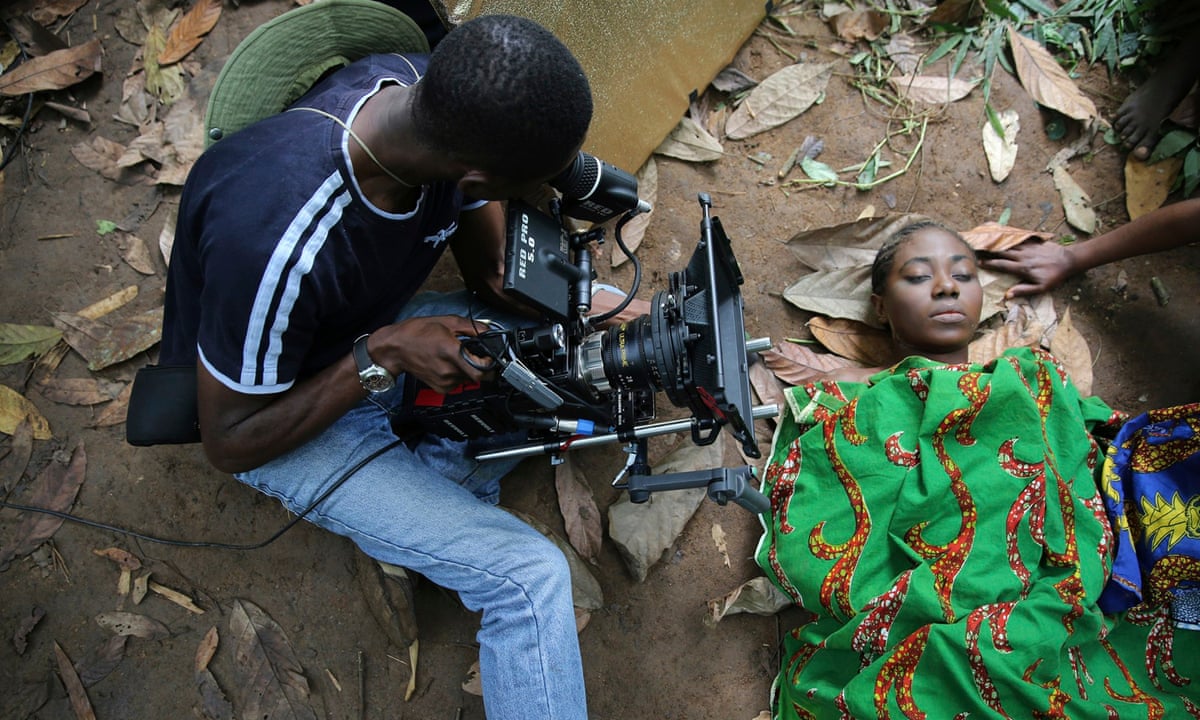
Navigating these constraints requires a level of resilience that often borders on the heroic, a reality personified by director Mansurah Isah. As one of the few women to successfully break into the directorial ranks of Kannywood, Isah is a central figure in the fight for authentic storytelling. She often finds herself forced to self-fund her projects to maintain a semblance of creative control, seeking to tell the nuanced stories of Hausa women that might otherwise be ignored. However, even her most careful efforts are subject to the shears of the censorship board. The report reveals the staggering level of scrutiny she faces, noting that scenes as fundamentally human as childbirth have been cut from her films, deemed too graphic or inappropriate by the male censors who determine what is fit for public consumption.
Related article - Uphorial Shopify
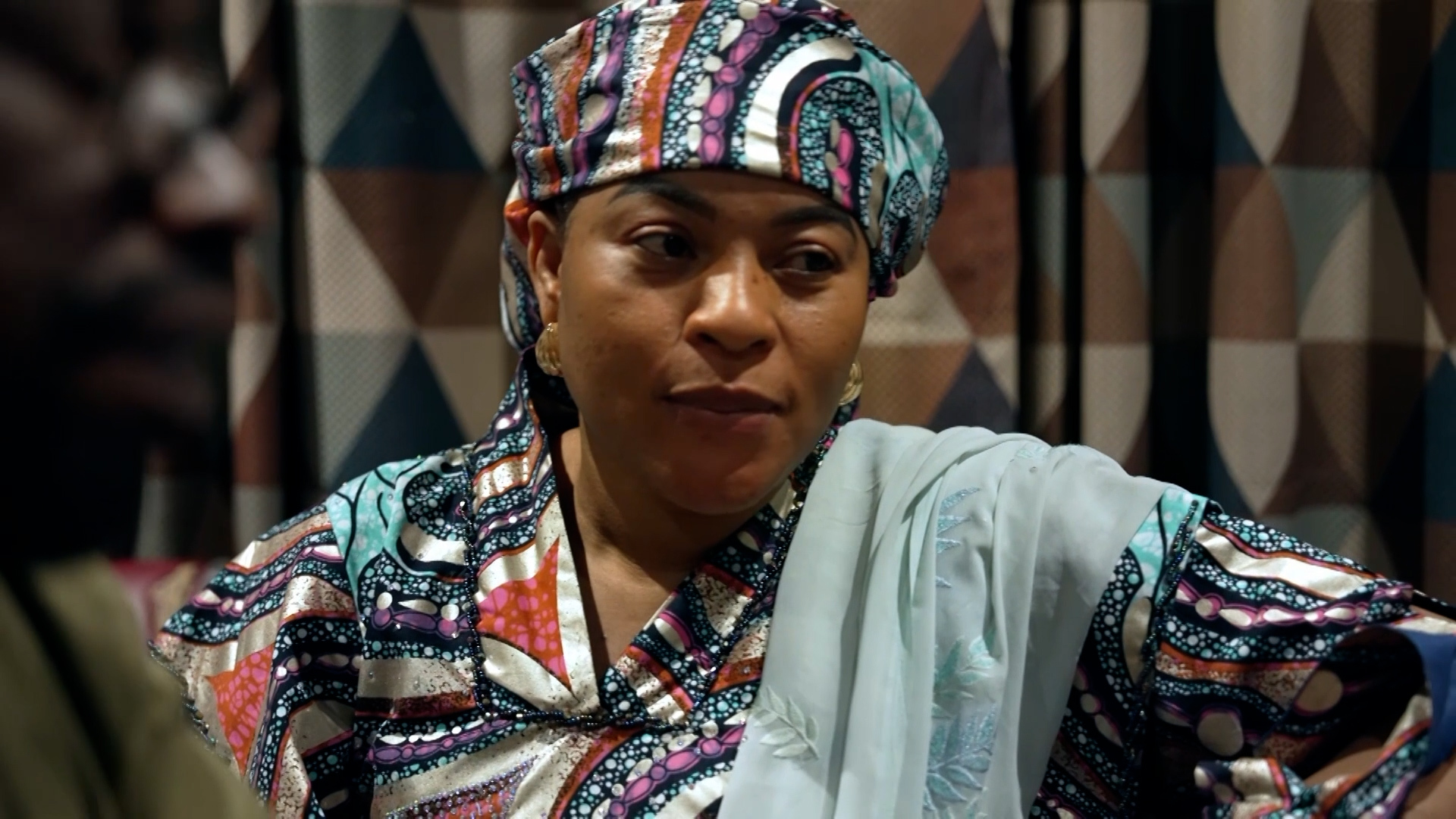
The personal cost for the women who choose this profession is often as high as the professional hurdles. Actresses like Amina Shehu have detailed the significant social and religious pressure that comes with a career in Kannywood. For many women in the North, acting is still viewed as a taboo profession, leading to strained relationships with conservative family members and, in extreme cases, total social isolation. The report paints a somber picture of women being forced to choose between their passion for storytelling and their reputation within their own communities. In this climate, an actress's career is a daily negotiation with public opinion, where a single perceived moral slip can lead to permanent exile from the industry and the home. The head of the Kano state censorship board, Aba El Mustafa, provided a candid perspective on the board's role during the investigation. He confirmed that the institution’s primary mandate is the enforcement of Islamic values, explicitly stating that women are held to stricter behavioral standards than their male counterparts. This gendered double standard extends beyond the film set and into the private lives of the performers. The report notes that actresses have been banned from the industry entirely for their social media posts, indicating that the board’s reach extends into the digital footprints of these creators, effectively regulating their behavior even when the cameras are not rolling.
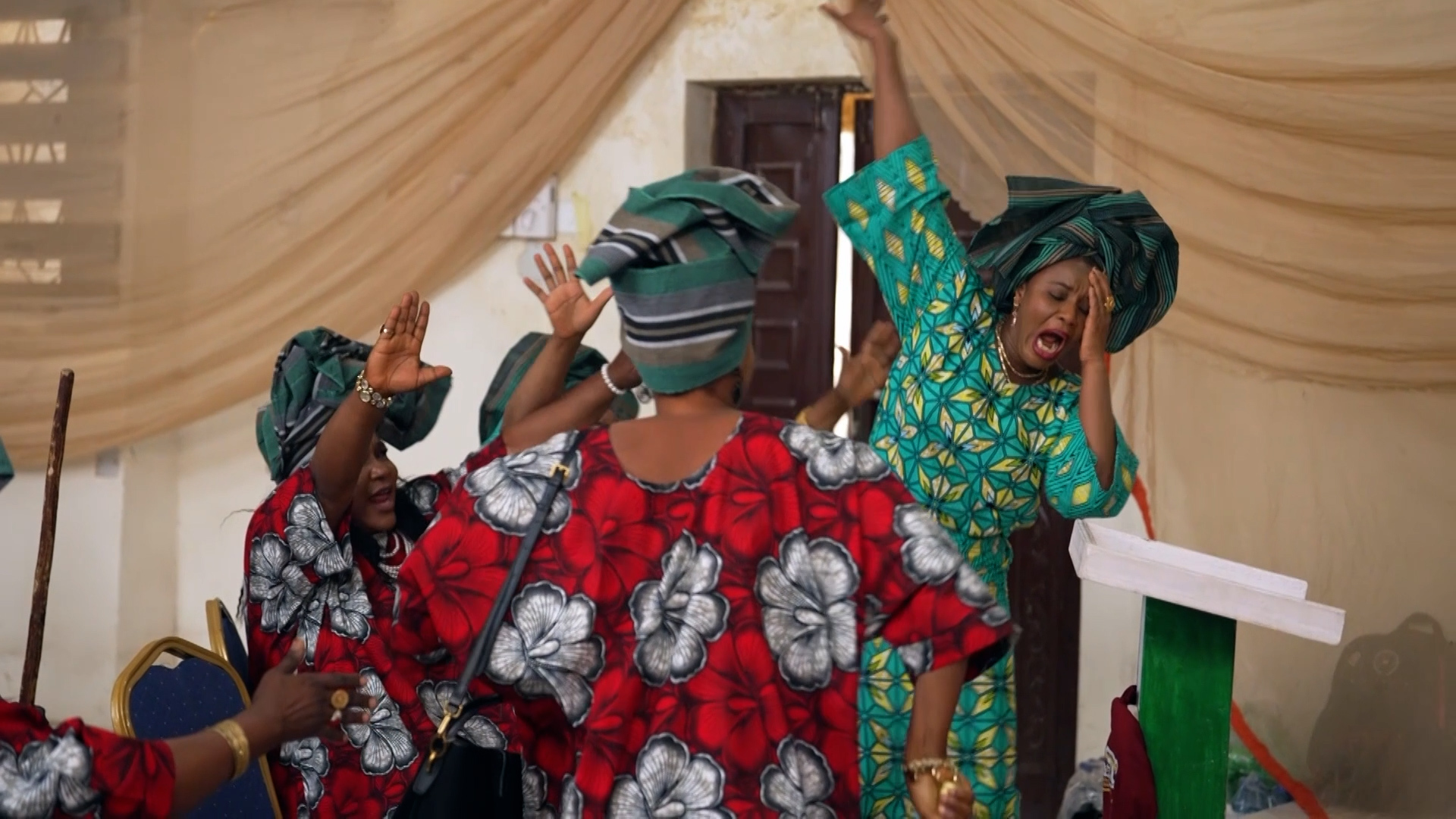
This environment stands in sharp and dramatic contrast to the southern industry of Nollywood. Based largely in Lagos, Nollywood operates with a level of creative and commercial freedom that has allowed it to become the second-largest film industry in the world by volume. In the South, influential figures like Mo Abudu have been able to build massive media empires that compete on a global stage, untethered by the religious censorship that defines the North. Top female creators in Nollywood emphasize that while the southern industry is still male-dominated, the primary obstacles are economic and structural rather than moral and legal. They highlight the importance of collaboration and mentorship in overcoming the "glass ceiling," creating a blueprint for success that feels worlds away from the reality in Kano.
Despite these disparate landscapes, the report finds a common thread of defiance among Nigerian women in film. Whether in the restrictive hallways of the Kano censorship board or the high-stakes boardrooms of Lagos, women are pushing boundaries to ensure their voices are heard. In Kannywood, the act of simply showing up to a set is a political statement, while in Nollywood, the focus has shifted toward high-quality production and global distribution. Mentorship has become a vital survival strategy in both regions, as established female filmmakers work to prepare the next generation for the specific battles they will face based on their geography. Ultimately, the investigation into Kannywood and Nollywood serves as a report on the broader soul of Nigeria—a nation navigating the complex tension between traditional religious values and a modern, globalized future. While the women of the North continue to pay a high price for their creative output, their persistence is slowly redefining the status quo. By documenting these struggles, the report underscores the fact that the fight for representation in cinema is not just about who appears on screen, but about who is allowed to hold the camera and who has the power to decide what a culture's "truth" looks like.