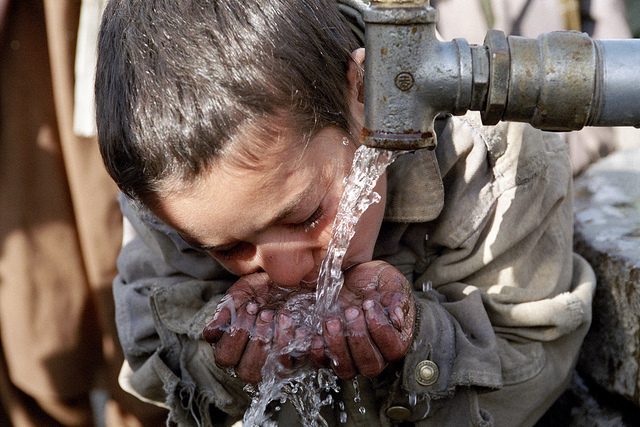
In Kabul, the sound of water no longer sings in the pipes. It groans, sputters, or is gone entirely. For many of the city's five million residents, morning begins not with the hum of modernity but with the clank of empty jerry cans and the soft dread of thirst. In a city that once knew the kindness of springs and wells, water is now a question, one that echoes through the streets and alleys with rising urgency: Will there be enough today?
But to say Kabul is facing a water crisis is to simplify a story that deserves far more than policy terms or ecological summaries. This is not just about drought or dwindling reservoirs. This is about people. It's about lives forced into a quiet war with the earth beneath them, a city built higher and faster than its veins could carry.
Related article - Uphorial Podcast
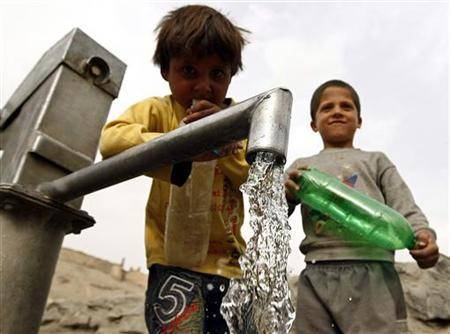
Zahra, 12 years old, carries water every day before school. Her family’s hand-dug well dried up last winter, and now she walks an hour to fill two containers from a shared pump that sometimes runs dry by midday. Her arms ache, her grades have slipped, and yet she smiles, because there was water this morning. Not everyone in her neighborhood can say the same. Decades of war and instability left Kabul broken, but its people never stopped building. The city swelled with returnees, with refugees, with the displaced, millions weaving together makeshift lives after lives were undone. They built homes, shops, futures. But the water never caught up. The aquifers that once served Kabul were finite, and no one asked the land how much it could give before it gave no more. It is a quiet, dangerous collapse, not with a bang, but a withdrawal. Glaciers in the Hindu Kush are retreating. Rainfall is inconsistent. And the ground itself sinks as the last water tables are drained by desperate pumps. Kabul was never meant to hold this many people, not without a plan. And yet here they are, living in a capital city where water trucks now sell liquid survival for inflated prices. Where the rich drill deeper and the poor dig with hope.
But the story doesn’t end at scarcity. It winds through resilience, politics, and the bitter irony of geography. Afghanistan, while arid, sits on several major river systems, yet its infrastructure is a patchwork at best, a ghost at worst. And the war didn’t just destroy buildings; it destroyed the ability to plan. Now, as the Taliban’s return brings new uncertainties, so too does it bring a chance, perhaps, to focus on survival beyond conflict. Still, it is hard to make water a political priority when history has taught people to expect bombs more than blueprints. International aid trickles in, and NGOs dig where governments hesitate, but coordination is rare and long-term vision is a luxury few can afford.
And then, there’s the people, like Ahmad, a former civil engineer who now runs a neighborhood water cooperative. He started with a single borrowed pump and a stubborn belief that things could be better. Today, his group rations water fairly among fifty families, with a chart and a whistle system to avoid disputes. “We may not have much,” he says, “but we have each other.” That is the quiet soul of Kabul’s crisis, not just in what it lacks, but in how it endures. The water is low, but dignity runs deep. Children still play. Women still plant rooftop gardens, coaxing green from gray. The city does not give up. It never has. Yet the clock ticks. Without sustainable water policies, without infrastructure that matches the human sprawl, without care for the unseen veins beneath the soil, Kabul will sink, not just into thirst, but into a deeper kind of loss. One that steals not just water, but wonder. And so, each drop becomes sacred. Each morning a miracle. Kabul waits. Kabul thirsts. But Kabul still hopes.