The Jurassic franchise has never been one to tread lightly, and Jurassic World: Rebirth proves once again that the allure of dinosaurs—paired with human ambition and chaos—never fades. This new installment, more than just a sequel, serves as a resurrection of what made Jurassic Park a cultural phenomenon in the first place. But unlike its predecessors, Rebirth is both a nostalgic homage and a bold evolution that resets the tone of the series for a new generation of viewers. Set years after the fall of Jurassic World, Rebirth explores a planet where dinosaurs are no longer confined to islands—they’re integrated into ecosystems across the globe. Humanity is forced to adapt to a new reality where apex predators roam freely, reshaping our understanding of survival, science, and coexistence. This global shift creates a high-stakes backdrop that fuels the tension from start to finish. With DNA-powered creatures adapting faster than ever and environmental collapses surfacing, the lines between natural evolution and man-made interference are dangerously blurred.
Read Also: Marge Simpson Lives On

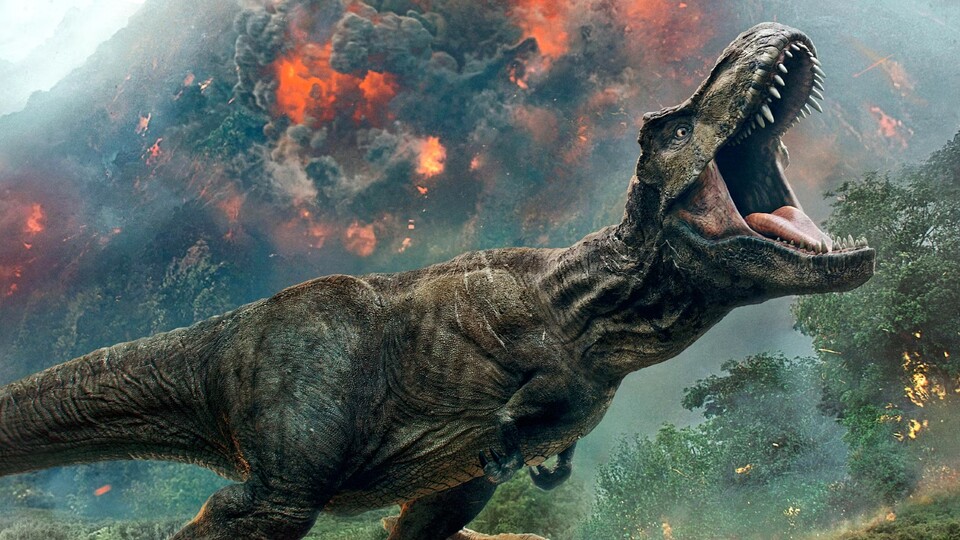
Visually, the film is breathtaking. From vast jungles echoing with the roar of a T Rex to snowy mountains disrupted by a stalking Indoraptor, every frame feels like a masterclass in cinematic immersion. The use of practical effects alongside CGI enhances the realism, grounding the film in visceral, tangible fear. The dinosaurs are not just background noise—they’re characters with presence, emotion, and unpredictability.
The story centers on a diverse team of paleogeneticists, wildlife conservationists, and mercenaries who must track a rogue biotech firm experimenting with gene-edited hybrids. This shift in narrative direction moves the franchise away from mere survival horror into a layered exploration of bioethics and corporate greed. It’s no longer just about keeping the dinosaurs from escaping—it’s about dealing with the consequences now that they have. Chris Pratt and Bryce Dallas Howard return in smaller, yet impactful roles, allowing fresh characters like Dr. Kemi Torres, played by breakout star Amara Sinclair, to take the lead. Sinclair’s performance adds a refreshing depth, playing a scientist torn between admiration for the creatures and horror at what they’ve become. Her arc provides an emotional anchor that resonates deeply, especially in scenes where moral choices collide with survival instincts.
Director Colin Trevorrow’s vision in Rebirth marks a shift in tone—grittier, more philosophical, and far less predictable. He leans heavily on suspense, allowing moments of silence and stillness to build dread, a welcome return to Spielberg-esque pacing. The score by Michael Giacchino is haunting, weaving old motifs with new, moodier compositions that elevate the film’s emotional gravity. Jurassic World: Rebirth is already trending across entertainment blogs, YouTube reactions, and fan theories on Reddit. Keywords like “Jurassic World 2025 movie,” “dinosaur rebirth,” “Jurassic franchise reboot,” and “Jurassic World Rebirth cast” are pulling high engagement. With fan curiosity spiking around hybrid dinosaur concepts and the cinematic return of certain legacy characters, the film is set to dominate box offices and streaming platforms alike.
Despite a few pacing issues midway through the second act, Rebirth sticks its landing. The final 30 minutes are a tense rollercoaster of betrayal, redemption, and carnage, ending with a powerful message: evolution doesn’t ask for permission—it demands adaptation. A mid-credit scene teases what could be a much larger dino-centric universe, possibly hinting at a multi-film arc or even a spin-off series. For fans of the franchise, Jurassic World: Rebirth is a must-watch. For newcomers, it’s an accessible yet thought-provoking entry point. This film isn’t just about bringing dinosaurs back—it’s about confronting the world we’ve created when we choose to play god. Bold, intelligent, and emotionally charged, it’s clear that the Jurassic legacy isn’t just surviving—it’s evolving.