TORONTO - In the intimate, hushed sanctuary of Toronto’s TD Music Hall, Canadian singer-songwriter Julian Taylor recently held an audience in the palm of his hand, not through spectacle, but through the profound power of vulnerability. As part of a career-defining creative peak that has seen him honored with the King’s Medal and celebrated across global stages, Taylor’s performance of "Weighing Down"—a cornerstone of his acclaimed album Pathways—served as a poignant reminder of music’s capacity to heal. The setting, stripped of unnecessary artifice, allowed the song’s central message to land with the weight of lived truth: the necessity of unburdening oneself from the crushing pressures of regret and the importance of extending radical kindness to the self.
The performance began with a gentle, focused intensity. As Taylor took to the stage, his acoustic guitar work anchored the space, creating a sonic texture that felt both expansive and deeply personal. "Weighing Down" is a track born from the quiet, often agonizing corners of the human experience—the moments where we become our own harshest critics. Through his soulful, evocative baritone, Taylor transformed the stage into a confessional. He sang of the "brick and mortar" burdens that many carry—the heavy, self-imposed expectations that leave us feeling fractured and worn—and encouraged the room to consider a different path. The song, he explained, is a mantra for those trapped in the solitude of their own mistakes. It is a lyrical plea to "let things soften," a transformational framing that invites the listener to move away from the rigid judgment of the past and toward a more fluid, compassionate present.

Related article - Uphorial Shopify
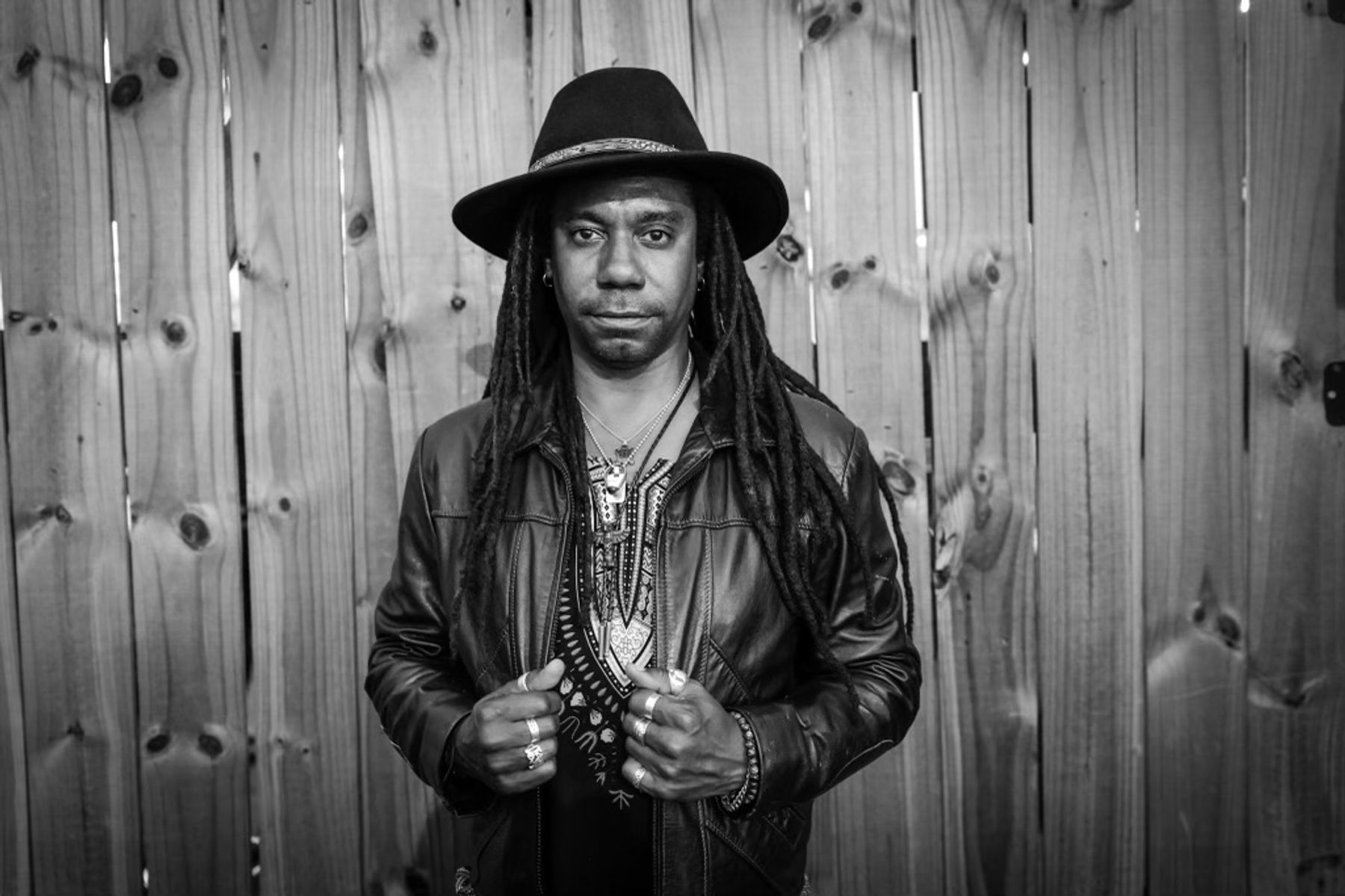
The musicality of the set underscored this shift in perspective. Taylor’s approach to "Weighing Down" is intentionally sparse, a stylistic choice he honed with producer Colin Linden to ensure the song’s emotional resonance remained front and center. In the stillness of the music hall, every nuance of his vocal delivery felt magnified. There was a particular resonance in the way he described observing the city skyline—not as a backdrop for ambition or fame, but as a site for an intentional choice of gratitude. By choosing to "look at things as an attitude," Taylor pivoted the narrative from one of exhaustion to one of empowered release. It was a moment of cultural and personal synthesis, reflecting his own heritage and his long, independent journey through the Toronto music circuit, where he has learned that true strength is not found in endurance alone, but in the courage to let go.

Throughout the performance, Taylor acted as a guide through the landscape of the human heart. His presence was one of warmth and charisma, a hallmark of his live shows that has earned him a devoted following from Canada to the UK. He spoke candidly of the lessons life has handed him, reflecting on the feeling of being "hungry and trapped in solitude," yet resolving to choose a better way forward. For the audience at the TD Music Hall, this was more than a song; it was an audio shoulder to lean on. The performance resonated with the audience, who recognized in his lyrics a mirror to their own struggles with mental and physical health, and the weight of the expectations we place upon our own shoulders.
As the final notes of the acoustic set drifted into the rafters, there was a palpable sense of communal relief in the room. The performance concluded not with a flourish, but with a quiet, resonant finality—a message that the burdens we carry are often heavier than they need to be, and that we have the agency to set them down. The audience’s applause was not merely an appreciation of technical skill, but a visceral reaction to being seen and understood. Julian Taylor, an artist whose legacy is built on the alchemy of turning pain into growth, had once again succeeded in creating a space where the heavy could be made light, and where the divergent notes of our individual lives could, for a few minutes, find a beautiful, resonant harmony.