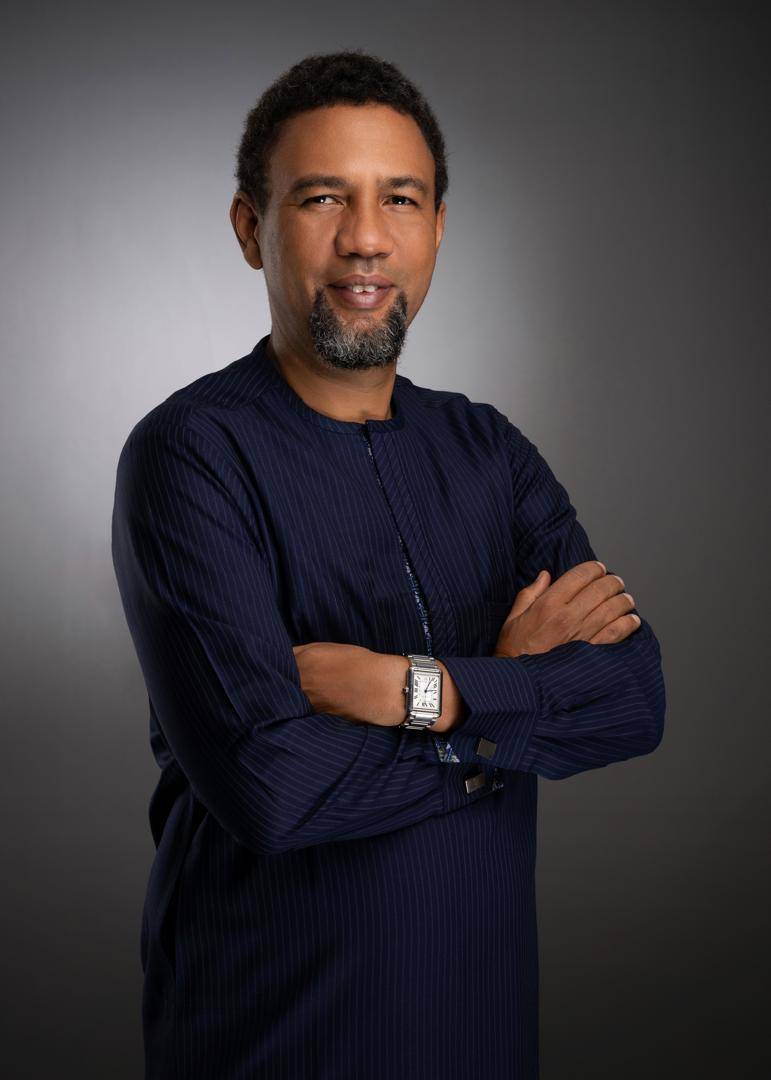
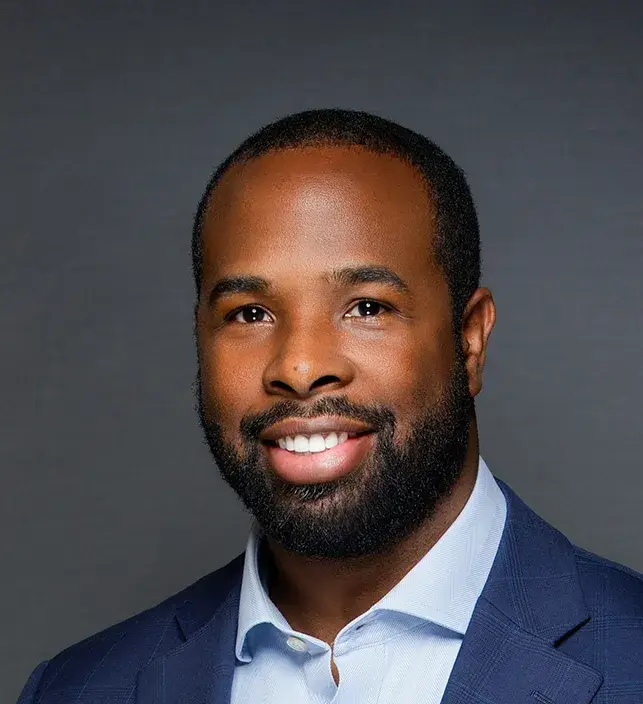
The Afrobeat's show, a platform dedicated to promoting its "own culture and our own people without waiting for others to do so," recently hosted an insightful discussion with Jason Coke, CFO and co-founder of GVP. The conversation, held in Dubai, offered a detailed look into the strategic vision behind bringing major Western media brands like Billboard, Time, and Rolling Stone to the African continent. Coke, a Jamaican American from Brooklyn with a background in finance and economics, framed his mission as one of ownership and empowerment for Africa's creative economy. He stressed that the primary goal is to take control of the continent's narrative, which for "far too long... has been told by the West". By establishing regional bases for these powerful media institutions within Africa, the aim is to ensure the story is told authentically by people who come from and understand the culture, thereby bringing Africa to the world and inspiring the next generation.
During the discussion on the podcast, Coke detailed a deliberate expansion strategy across Africa, highlighting operations in Rwanda, South Africa, and Ghana. He placed special emphasis on Botswana, calling it a "hidden treasure" that supplies 40% of the world's diamonds to major retailers yet remains largely uncelebrated in the global creative economy. Part of Billboard Africa's mandate, Coke explained, is to use its platform to "expose it to the world". He also justified basing operations in Dubai, describing the city as a strategic "bridge" between Africa and Asia. This decision was informed by the UAE's recent emergence as the largest investor in Africa, surpassing China, and Dubai's business-friendly environment and safety, which align with the vision of empowering the continent. The Afrobeats Podcast provided the venue for Coke to articulate this global strategy, connecting the dots between regional empowerment in Africa and strategic international business positioning.
Related article - Uphorial Radio

A central topic of the conversation was Billboard's role in the Afrobeats and Afropop culture, a key interest for the podcast's audience. Coke clarified that Billboard's chart compilation is a simple, data-driven process based on listener numbers and streaming growth, providing crucial information for artists' business decisions. He made a significant announcement on the show, revealing that Billboard Africa will be launching its own dedicated charts "very, very soon," a move intended to "shine a beacon on African artists". When questioned by the podcast host about how to support talented emerging artists who lack the numbers to chart, Coke explained the strategy is to "keep our ears to the ground" and work with cultural insiders to spotlight deserving talent before they become mainstream. This collaborative approach, he noted, is also reflected in partnerships with culturally aware brands like Martell, which he praised for putting the culture at the "forefront of the decision making".
Drawing a powerful parallel, Coke used the platform of the Afrobeats Podcast to offer a crucial lesson from hip-hop's history for the Afrobeats movement. He warned against repeating the "treacherous" business mistakes made in hip-hop's past, urging a focus on ownership. Coke shared a stark statistic: of the $100 million generated by Afrobeats and Afropop in 2024, less than 2% has circulated back into its countries of origin. Looking ahead, he promised a "very busy year" in 2026, with scalability, growth, and partnerships aimed at amplifying what is already present on the continent. The host concluded by affirming his belief in the vision, highlighting the importance of "telling our stories ourselves" and "controlling the narrative". Coke's final thoughts reiterated that the ultimate goal is to inspire the youth—from Africa to his native Brooklyn—by showing them the world is big and their stories matter, ensuring the next generation inherits a better, more empowered cultural landscape.