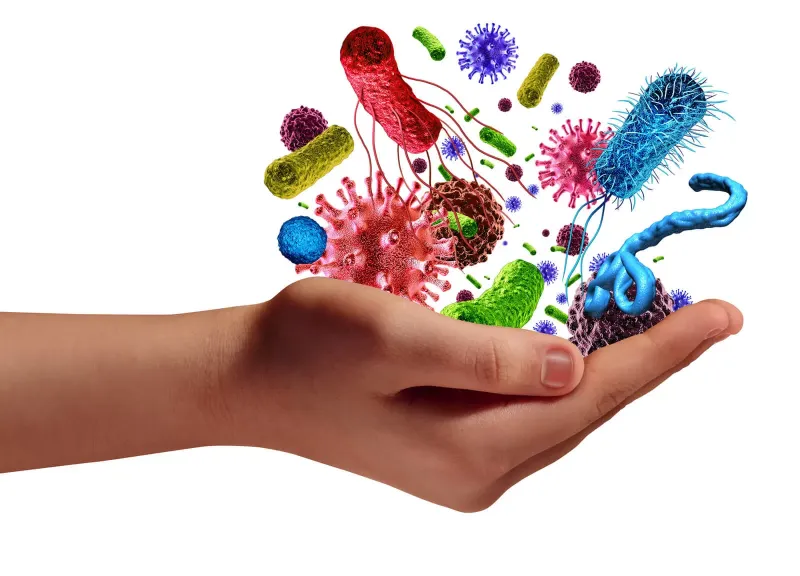
The story of modern medicine is, in many ways, the story of antibiotics. For nearly a century, they stood as the miracle cure—tiny chemical soldiers waging war against infections that once claimed millions of lives. From penicillin’s accidental discovery in the 1920s to its widespread use in World War II, antibiotics became humanity’s shield. But every shield, if overused, begins to crack. Today, those cracks are widening. Resistant bacteria are on the rise, reshaping the quiet battlefield of our bodies into something far more dangerous.
More than 1.3 million lives are lost each year due to antibiotic resistance. Behind that number are faces, stories, and families caught in the invisible war between human ingenuity and bacterial survival. Antibiotics, once the answer, are failing us—not because they are weak, but because we have leaned on them too much. Prescriptions written too freely, half-finished treatments, and the relentless dosing of livestock have pushed bacteria to evolve into superbugs. The World Health Organization calls it one of the greatest threats to global health. For the first time in generations, we face the question: what if infections become untreatable again?
This is where science turns to an unexpected ally—something ancient, something nature itself designed long before we imagined antibiotics. They are called bacteriophages. At first mention, the name sounds almost alien: viruses that kill bacteria. Yet phages are no strangers to us. They are everywhere—swimming in oceans, drifting in soil, even coursing through our gut unnoticed. Unlike antibiotics, which often sweep broadly, bacteriophages are precise. Each one locks onto a specific bacterial target, injects its genetic material, and begins the quiet, ruthless work of destruction. In essence, they do what antibiotics can’t—they kill with precision rather than force.

Related article - Uphorial Podcast
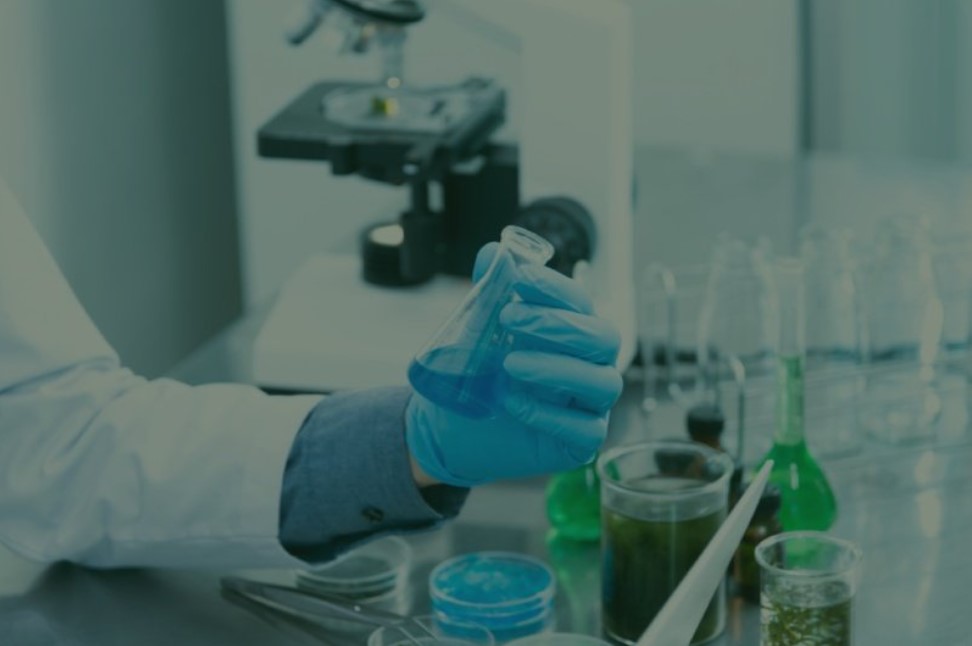
The fascination isn’t new. Phage therapy was being explored in the early 20th century, before antibiotics stole the spotlight. In places like Georgia and Poland, phages never fully disappeared from medical practice. But the West largely abandoned them, seduced by the simplicity of pills and injections. Now, in the shadow of resistance, science is revisiting what it once overlooked. The question is not only whether phages can replace antibiotics, but whether they can restore balance to a system we’ve disrupted. Imagine a world where a bloodstream infection isn’t met with a broad-spectrum drug that scorches everything in its path—good bacteria included—but with a targeted phage cocktail designed to strike only the culprit. This isn’t just science fiction; trials are already underway. Hospitals across Europe and the U.S. are testing phage therapy in patients with infections that no antibiotic could cure. In some cases, people given weeks to live have walked away alive, thanks to a virus that destroyed the bacteria threatening them.
But this is not a fairy-tale ending yet. Phages are living entities, and that makes them tricky to regulate. What works for one patient may not work for another, and designing phage “cocktails” for specific infections takes time—a luxury hospitals rarely have. Antibiotics, for all their flaws, are ready-made. Phages, by contrast, require adaptation. Yet in their complexity lies their strength, because bacteria can resist one phage but not an entire shifting arsenal of them. So, are they an effective alternative to antibiotics? Maybe the better question is: are they the partner antibiotics that have always been needed? Medicine may not replace one with the other, but build a future where both coexist. Antibiotics for broad assaults, phages for precision strikes. Perhaps then the war against superbugs becomes less about total victory and more about restoring balance. The story of antibiotics is not over, but it is changing. We are learning, again, that nature rarely gives us a single weapon. Sometimes, the smallest enemies of our enemies can become our greatest allies.