LAGOS – The corridors of public health in Nigeria are often haunted by myths that have proven to be more resilient than the diseases themselves. Among the most pervasive and damaging of these is the widely held belief that Staphylococcus aureus—a common, ubiquitous bacterium—is a sexually transmitted infection. This misunderstanding has not only fueled a culture of shame and unnecessary anxiety but has also created a thriving, predatory ecosystem of misinformation exploited by roadside vendors and unverified practitioners. In a recent and vital intervention, the medical communicator known as Aproko Doctor has sought to dismantle this myth, providing a necessary, evidence-based correction that prioritizes scientific accuracy over the sensationalized narratives that dominate local discourse.At the heart of the confusion is a fundamental misunderstanding of the bacteria's nature. Staphylococcus aureus is not a pathogen that hides in the shadows of sexual intimacy, nor is it transmitted through sexual fluids. In reality, it is a common organism that resides naturally on the human body—inhabiting the skin and the interior of the nose—without causing any distress to the vast majority of people. To categorize it as an STI is to fundamentally misidentify its biology. While it is true that Staph can spread through skin-to-skin contact, this does not render it an STI in the same diagnostic or clinical class as conditions like gonorrhea or chlamydia. This distinction is not merely academic; it is essential for the psychological well-being of the population and for the effective management of true health concerns.
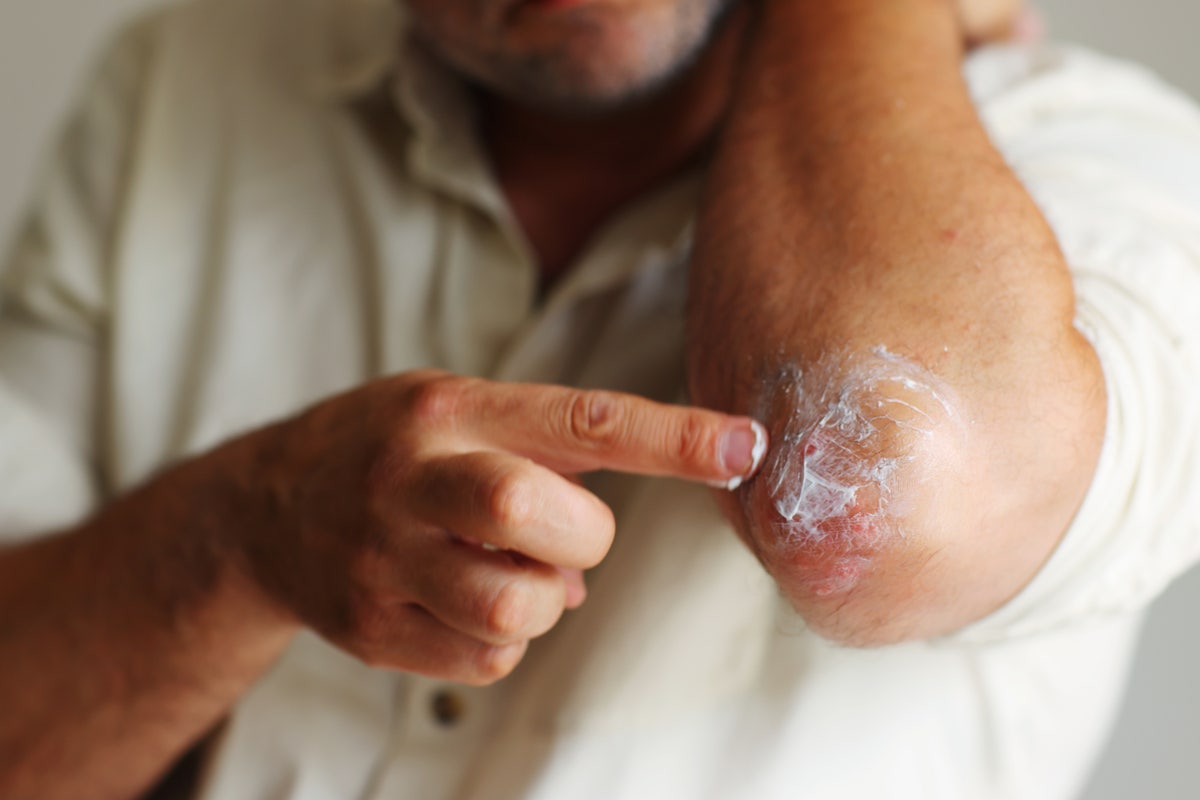
The infection typically manifests only when the bacteria enter the body through compromised areas, most commonly open wounds or abrasions. When this occurs, the immune system reacts, often producing the familiar, painful symptoms associated with the infection: boils, hot and swollen skin, or localized, pus-filled abscesses. In scenarios where the bacteria manage to penetrate deeper—entering the bloodstream—the consequences can be severe, potentially escalating into life-threatening conditions such as pneumonia or sepsis. It is this capacity for localized infection that is so often misappropriated by fraudulent actors to deceive patients, framing mundane skin issues as evidence of a "hidden" or "stubborn" STI that requires elaborate and expensive "cleansing" treatments.Adding another layer of complexity to the medical reality is the emergence of MRSA—Methicillin-resistant Staphylococcus aureus. This specific strain represents a genuine and serious health concern, characterized by its resistance to many of the common antibiotics that would typically be used to treat bacterial infections.
MRSA is a distinct entity that requires rigorous, hospital-level diagnostics and specialized medical intervention. It is the antithesis of the narrative propagated by those who sell "Staph cures" on public transport or in roadside stalls. When individuals attempt to treat suspected Staph with unverified, generic, or low-quality medications purchased from informal sources, they are not only wasting their resources but are also inadvertently contributing to the global crisis of antibiotic resistance.
:max_bytes(150000):strip_icc()/coldsores-GettyImages-1327942112-b85fa18782ad4cbb8e1b9ace8f9a397a.jpg)
The issue also extends to the realm of nutrition, where Staphylococcus can cause food poisoning. This occurs not through skin contact or sexual activity, but through the ingestion of food contaminated with bacterial toxins. The symptoms—typically rapid onset of vomiting and diarrhea—are severe and acute, requiring a focus on rehydration and clinical monitoring rather than the systemic "anti-Staph" therapies sold by roadside chemists. By failing to distinguish between a skin-based infection, a systemic bacterial issue, and food poisoning, the general public remains vulnerable to exploitation. These fraudulent treatments rely on the ambiguity of the name "Staph" to convince individuals that they are harboring a persistent infection that requires constant, costly medication, when in reality, their symptoms are often transient, unrelated, or better managed by standard hygiene and professional care.The ecosystem of misinformation surrounding Staphylococcus is a sobering example of how medical illiteracy can be commodified. Expensive, unauthorized "Staph treatments" are frequently marketed to the vulnerable, preying on their fear of social stigma and their desire for a quick fix. This is a form of medical exploitation that thrives on the breakdown of trust between the patient and the formal healthcare system. The remedy for this, as Aproko Doctor emphasizes, is not more information from unverified sources, but a return to the fundamentals of clinical diagnosis.
If an individual is experiencing persistent health issues—whether they be recurring boils, localized skin inflammation, or symptoms suggestive of a more systemic infection—the only responsible course of action is to consult a certified medical professional. Diagnosis requires laboratory testing, proper clinical examination, and treatment plans based on current, evidenced-based guidelines. The temptation to rely on self-diagnosis or to seek remedies from individuals who lack formal medical training is a gamble that rarely pays off and often masks the underlying problem.Ultimately, the goal of this diagnostic clarity is to empower the individual to take ownership of their health. We live in an era where information is abundant, but reliable, actionable medical knowledge remains a precious, curated resource. By stripping away the stigma associated with Staphylococcus, we can move toward a public health reality where patients are guided by science rather than folklore. The narrative of "Staph as an STI" is a cultural relic that has long overstayed its welcome. It is time to replace that narrative with one defined by clinical accuracy, professional oversight, and an unwavering commitment to the integrity of one’s own body. The path to wellness is not found in the expensive, unverified mixtures of the roadside market; it is found in the office of a doctor, through a test that provides the truth, and a treatment plan that actually works.