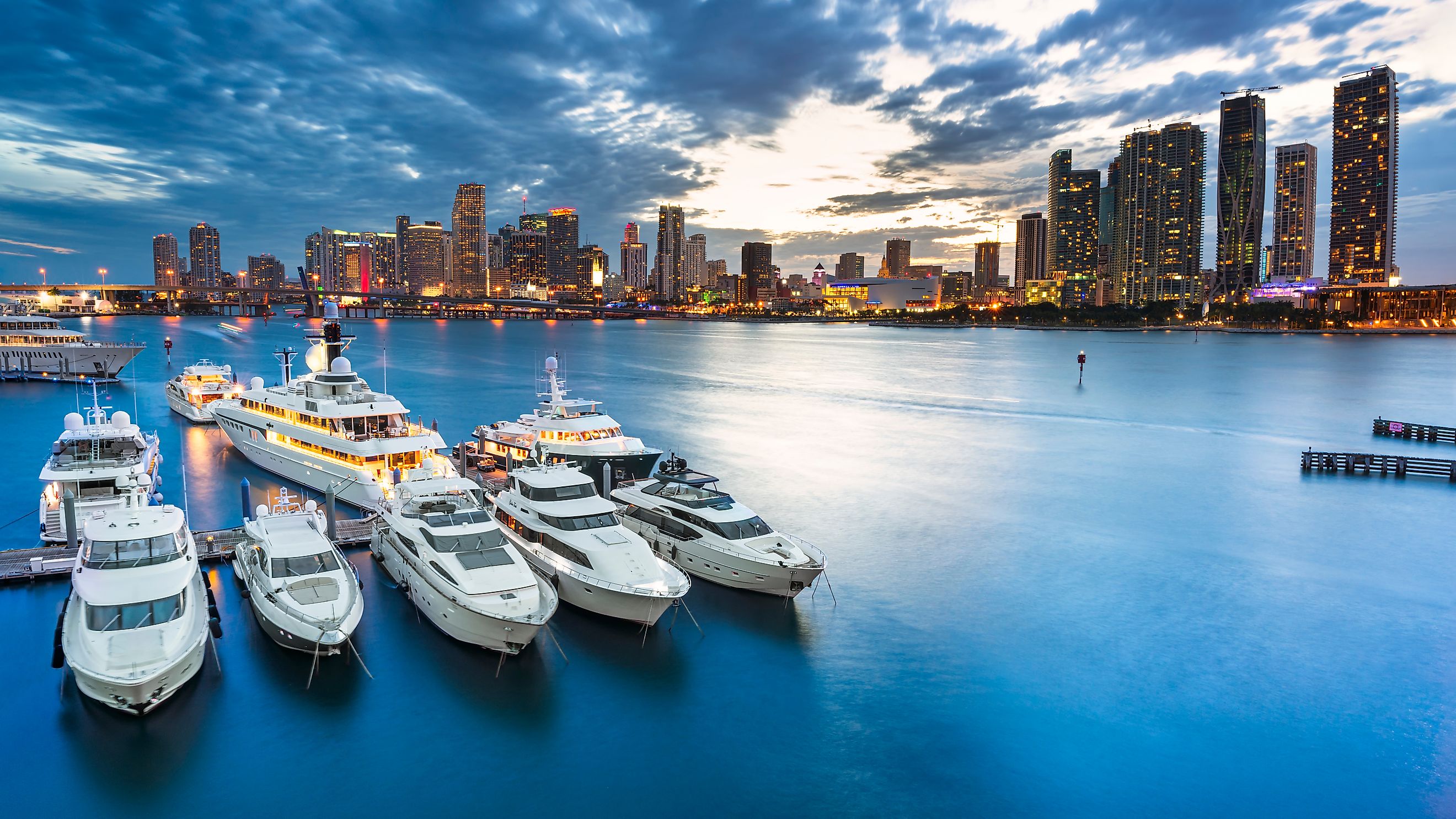
MIAMI - Miami is a city that wears two faces, and for the uninitiated, the first one is blinding. It is the Miami of the glossy brochures—a neon-drenched fever dream of glass-walled high-rises, shimmering financial districts, and an obsession with luxury that seems to stretch infinitely across the horizon. When one tours the bay by boat, cruising past the opulence of Key Biscayne, the message is clear: this is a destination built for excess, where the skyline is a monument to capital and the aesthetic is strictly high-gloss. It is a place that demands to be looked at, a playground of prestige that can feel, at first glance, like an elaborate, transient fantasy.
Yet, to categorize Miami as merely a hub for the elite is to miss the beating heart of the city—a complex, layered soul that pulses far beneath the surface of the nightlife. If the high-rises are the city's veneer, its true identity is found in the sprawling, humid streets of its diverse neighborhoods, where the air is thick with the scent of roasted coffee and the echoes of history. For the traveler who is willing to look past the velvet ropes, Miami reveals itself as a city defined not by its glamour, but by its deep, abiding connection to the Caribbean and Latin America.
The nightlife, which the hosts describe with a knowing nod to its "endurance-sport" intensity, is a prime example of this duality. At world-renowned venues like Space, the party is not just a leisure activity; it is a cultural ritual, an all-consuming experience that reflects the city’s high-octane personality. It is relentless, hypnotic, and undeniably iconic. But move a few miles away from the bass-heavy clubs, and the city undergoes a quiet transformation. In the quiet corners of Little Havana, the pace of life shifts from the frantic to the meditative. Here, the rituals are centered around the hum of conversation at Cafe Versailles, the shared appreciation of a perfectly pulled cafecito, or the simple, undeniable satisfaction of a classic smash burger from El Rey de las Fritas. At Sanguich, the preparation of an authentic Cuban sandwich becomes an act of heritage, a culinary tradition that has remained resilient despite the rapid, often antiseptic modernization of the city around it.

Related article - Uphorial Shopify

This cultural mosaic extends far beyond the Cuban influence that dominates the popular imagination. The documentary takes a necessary pivot toward the Caribbean heritage that provides Miami with its authentic backbone. A visit to the B&M Market in Little Haiti is a revelation—a sensory deep dive into a world of tradition that feels a universe away from the financial district’s glass towers. Here, the menu tells a story of migration and adaptation, with dishes like cow foot stew, rich oxtail, and Indian-influenced roti serving as a reminder of the global threads that constitute the city’s fabric. These are not merely meals; they are historical markers, representing the generations of families who arrived in Miami seeking opportunity and brought their own, indelible flavors to the landscape.
Architecture and lifestyle in Miami are equally shaped by this climate-driven urgency. The Miami Beach Boardwalk is more than just a path for exercise; it is an architectural museum of "tropical art deco," where pastel curves and geometric symmetry reflect a city that has always been obsessed with the future. This is a place where fitness is not an elective, but a foundational element of the culture. The year-round warmth, which turns every outdoor space into an extension of the living room, has fostered a population that moves with the city, where the beach and the boardwalk are the primary forums for public life. It is this pervasive, balmy atmosphere that makes Miami feel different from any other American city—it is a tropical metropolis that operates on its own metabolic clock.
There is a moment in the documentary where the hosts candidly address their initial resistance. They arrive expecting to be alienated by the superficiality of the Miami myth, only to find themselves gradually seduced by the city’s genuine, unvarnished layers. It is an emotional arc that many travelers experience, a shift from skeptical detachment to a profound sense of connection. By the end of the journey, the "fantasy" of Miami has been replaced by an appreciation for its reality: the mix of cultures, the down-to-earth neighborhoods that never sleep, and the humid, intoxicating energy that permeates every street.
Ultimately, Miami’s triumph lies in its ability to be two things at once: a playground for the world’s elite and a sanctuary for those who have traveled across oceans to call it home. It is a city that refuses to be simplified. The excess may draw the tourists, but it is the culture—the grit, the history, and the vibrant, chaotic beauty of its neighborhood life—that keeps the city alive. To truly understand Miami, one must be willing to navigate the duality, to find the quiet in the middle of the noise, and to recognize that the most significant stories in this city are not found in the luxury of the high-rises, but in the tradition of a simple sandwich, the rhythm of a Caribbean market, and the enduring, tropical warmth of a community that has built something singular out of the collision of cultures. The city does not just win the visitor over; it redefines what a modern American landscape looks like—a vibrant, messy, and infinitely rewarding patchwork of global identity.