At the heart of Boston’s Fenway, amid the hushed corridors of one of America’s most lovingly crafted spaces, lies a riddle wrapped in velvet and gilded frames. Art Heist, Gardner Uncovered doesn’t just retell the notorious 1990 theft, it stitches the past to the living pulse of its origin story, drawing us into the remarkable spirit of Isabella Stewart Gardner herself.
Imagine standing in a gallery that’s also a self-portrait, every wall a brushstroke of taste, every frame positioned by the hand of an audacious collector. That was Gardner, unconventional, daring, a woman whose vision was as thoroughly curated as the collection she left behind. She didn't assemble art; she orchestrated it. In 1903, she opened Fenway Court, her home and museum rolled into one, a testament to the conviction that art should whisper stories long after its creator has gone.
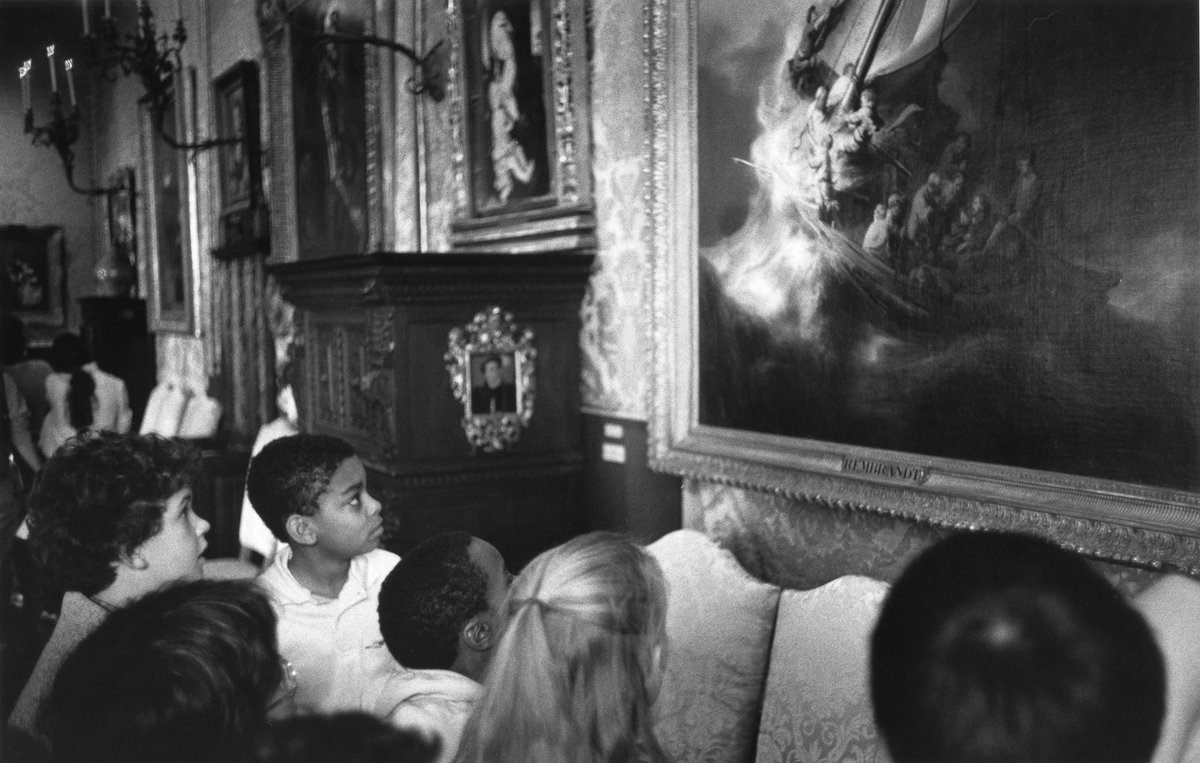
Flash forward to March 18, 1990. Two men, dressed as police officers, slither through the museum’s doors under the guise of urgency. Within 81 chilling minutes, thirteen masterpieces vanish, Rembrandt’s only seascape among them, Vermeer’s The Concert, Degas sketches, Manet, Flinck, a Chinese gu vase, and a Napoleonic eagle finial. The empty frames remain, silent witnesses immortalized in absence.

Related article - Uphorial Radio
Art Insider
But what makes this heist endure, century after century? Take a step deeper: For 35 years, those empty frames have been a haunting choreography of memory and hope, symbols of return and unfinished stories.
Leading the modern search is Anthony Amore, the museum’s Director of Security and Chief Investigator since 2005. He doesn’t chase fame or criminals; his obsession is restoration. "Getting the paintings back on the wall. I don’t care about prosecution," he says. Every day, he parses tips and follows leads, often rejecting fanciful theories of high-stakes smugglers or international collectors. He believes these works stayed close to home, taken by local criminals, not cinematic masterminds.
Today, the stolen pieces are valued somewhere between half a billion to over a billion dollars. In 2000, the FBI estimated $500 million; more recent art market appraisals peg the value even higher, especially for The Concert, perhaps the most expensive unrecovered painting in the world.
The museum isn't waiting in stillness. A sweeping, floor-to-ceiling restoration of the Dutch Room, where many of the stolen works once hung, is underway, slated to be complete in 2026. But as conservator Holly Salmon reminds us, the room remains incomplete without its missing occupants.
Public imagination turns the empty frames into landmarks, reminders not simply of loss, but of that unmistakable promise of return. One local artist even crafted an immersive sound piece in the Dutch Room, layering crashing waves and creaking timbers to evoke Rembrandt’s Storm on the Sea of Galilee through audio, a reclamation of absence through sensory memory.
And as the 35th anniversary passed this March, headlines kept rekindling the mystique: “What to know about the Gardner Museum heist, 35 years later,” “Empty restored frames highlight Gardner Museum heist,” and insights into the ongoing hunt for closure.
So when we step into the museum today, we're not just entering a building, we’re trespassing through legacy, longing, and the shadows of a woman who shaped it all. Isabella Stewart Gardner didn’t just build a museum; she seeded a living myth. And in those empty frames, that myth waits, dreaming of the day when art and memory come home.