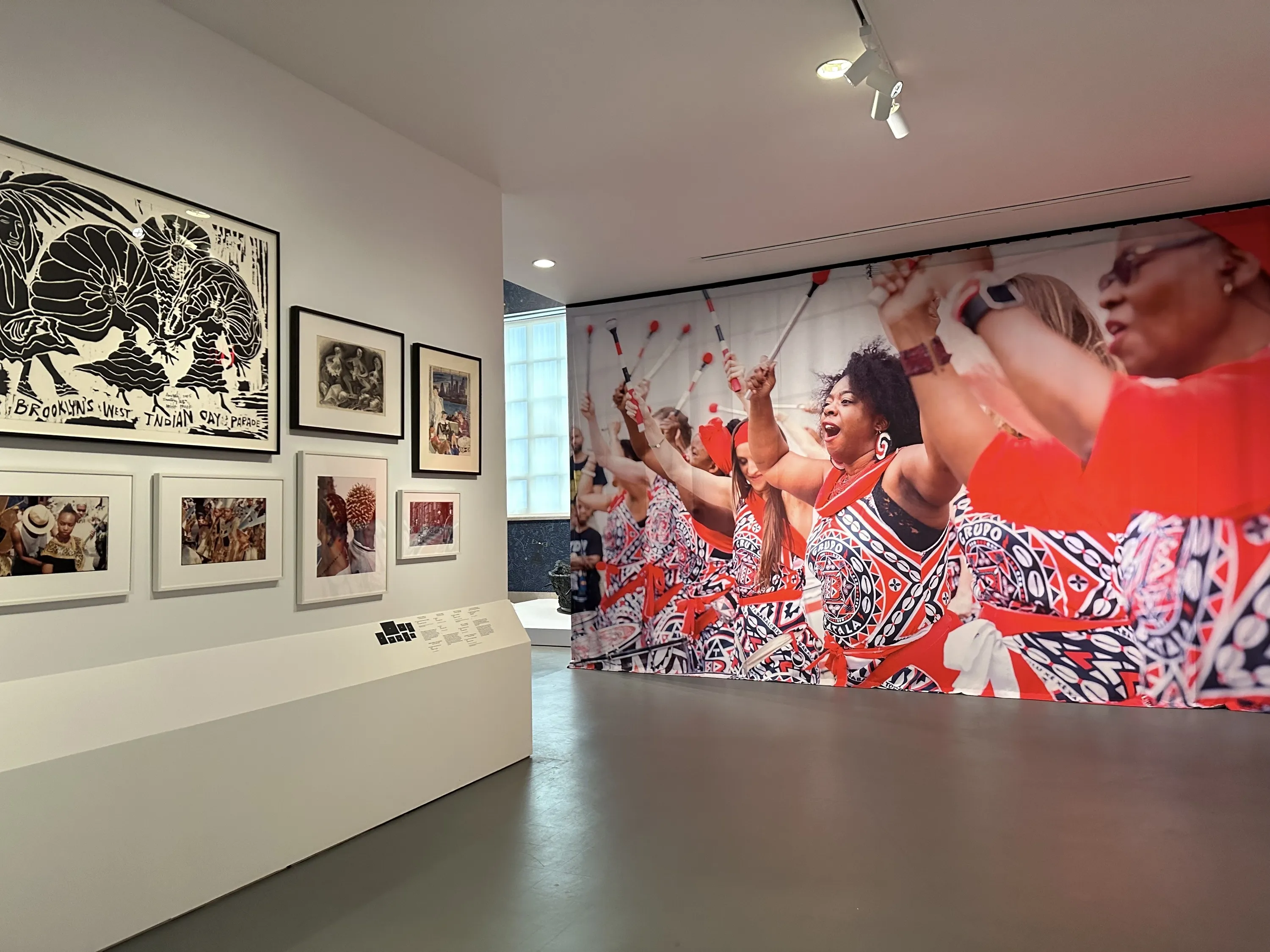
Celebrating two centuries of institutional history, the Brooklyn Museum has mounted the ambitious exhibition, "Breaking the Mold," a project realized through the combined efforts of all curatorial departments, as well as the museum’s libraries and archives. The exhibition is segmented into three comprehensive chapters as presented by Catherine Futter, each dedicated to illuminating a different facet of the Brooklyn Museum’s contribution to art history and local culture: "Brooklyn Made," which highlights the borough's unique creativity and industries; "Building the Museum and Its Collections," detailing the architectural structure and the formation of its holdings; and "Gifts of Art in Honor of the 200th Anniversary," showcasing recent, transformative donations.
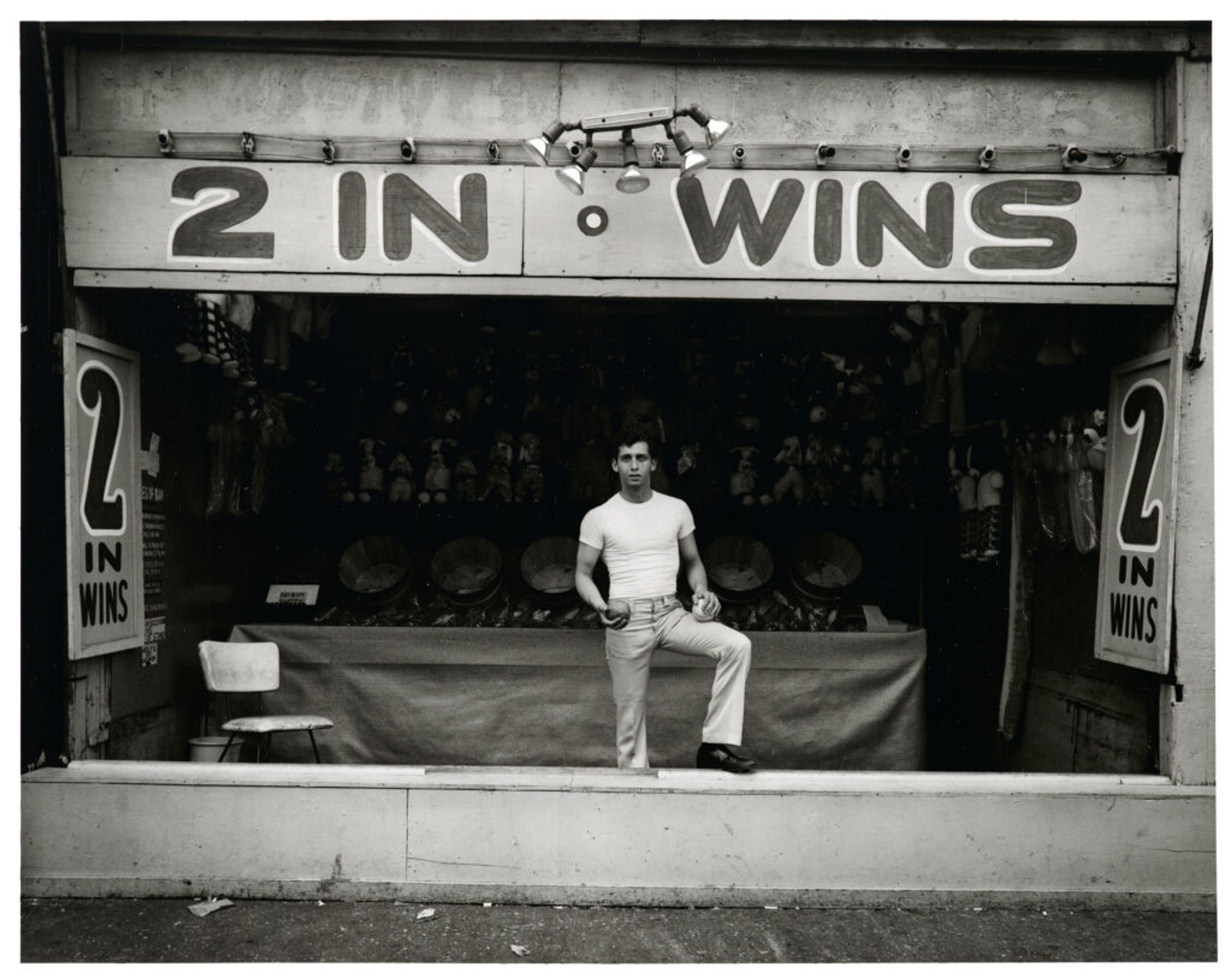
The museum’s dedication to New York history is evident in the presentation of two iconic objects related to the Brooklyn Bridge. One centerpiece is the highly detailed, chased, and gilded tray commissioned by Emily Warren Roebling and Washington Augustus Roebling on their 25th wedding anniversary, commemorating both their union and their "enormous creative achievement." This local marvel is paired with Georgia O’Keeffe’s renowned painting of the Brooklyn Bridge, an "icon of American art". O'Keeffe, who lived in New York from 1907 to 1949 and frequently visited the borough, had a survey of her work exhibited at the museum in 1927. The 1949 painting, created just before she permanently moved to New Mexico, serves as her "capstone" and a powerful "love letter" to the city. The museum further details local life through its expansive Coney Island photography collection, which includes works by celebrated artists like Robert Frank, alongside lesser-known photographers, spanning 150 years and demonstrating the area's timeless energy from the 19th century to the 1990s. Crucially, the Brooklyn Museum contribution extends to confronting difficult local legacies, featuring Nona Faustine’s series White Shoes. Faustine, born in Brooklyn, created self-portraits across New York at sites historically significant to slavery, which began in the region in 1626. Her inclusion addresses the reality that Brooklyn was literally "built off of enslaved labor," linking this past to the contemporary moment, particularly through a poignant image taken at Prospect Park’s Lefferts House, built by one of the largest slave-holding families in Brooklyn.
Related article - Uphorial Radio
Inside Breaking the Mold: Brooklyn Museum at 200

The exhibition chapter focusing on "Building the Museum and Its Collections" underscores the institution's role in gathering foundational international holdings. A major acquisition was the roughly 900 Central African works purchased in 1922 by then-curator of ethnology, Stewart Culin, which became the "backbone" of the museum's renowned African art collection. Among these is the Tesyama Kanya, a highly elaborate Chokwe snuff container commissioned for elite members of society in present-day Angola, Zambia, and the Democratic Republic of Congo. Culin deemed this container significant enough to personally carry it back from Brussels as an "ambassador object". Another historical collection highlight is a French costume doll designed by Elsa Schiaparelli, one of 49 received in 1949 from the French government as a gesture of gratitude for American aid sent after World War II. These dolls were displayed in the museum’s innovative Design Lab, an initiative providing designers with memberships and workstations to research the collections for creative inspiration. Also featured is a rare, unusual 1st century BCE Iranian vessel called "wine legs," an icon of the Brooklyn collection where wine was poured in the top but dispensed through holes in the boot-shaped base.
The concluding chapter celebrates recent acquisitions and the museum's commitment to ongoing evolution, exemplified by the spirit of philanthropia—the Greek word for the love of humankind—that defines these gifts. A circa 1600 portrait of an African man, likely painted in northern Italy, has been acquired, expanding the narratives the museum can talk about the presence of Africans in Europe during that era. The subject is depicted in fine, embroidered clothing with a "real presence" and "personality". Contemporary works include Lauren Halsey’s Untitled, a multi-dimensional sculpture that mines local histories of African Americans in Los Angeles, particularly the Watts community, linking local organizations like "concerned black men of Los Angeles" to national and international impacts. Finally, Coco Fusco’s powerful video installation chronicles her journey taking her mother's ashes from New York to Cuba, interspersed with harrowing narratives of anonymous Cubans attempting to escape their beloved country via makeshift rafts. Visitors are invited to sit in angled tire tubes, mimicking the desperate, risk-filled experience of floating on a raft, creating a piece that speaks profoundly to current global issues.